RV Electrical & Battery Systems: Complete Guide
Master your RV electrical system from house batteries to shore power. Covers 12V DC, 120V AC, inverters, and charging.
Troubleshoot house batteries dying while on 50 amp shore power. Diagnose converter, breakers, and connections to restore proper charging.
Guide to RV battery disconnect switches. Covers when to use, what loses power, and best practices for storage and daily use.
When your RV converter runs but won't charge batteries, the issue is usually a faulty converter charging section, blown fuse, or bad battery connections. Start by checking the DC fuses and testing voltage output from the converter.
P068A indicates an ECM/PCM Power Relay Control Circuit malfunction in your Ford V10. This typically involves a faulty power relay, damaged wiring, or ECM issues causing engine stalling and starting problems.
Even with disconnect switches engaged, phantom loads and battery self-discharge can drain RV batteries during storage. Installing battery maintainers, using master disconnect switches, and addressing phantom loads will solve this issue.
When HWH 325 levelers turn off immediately after pressing extend buttons, it's typically caused by low voltage under load, loose connections, or a faulty control module. Check battery voltage under load and inspect all connections first.
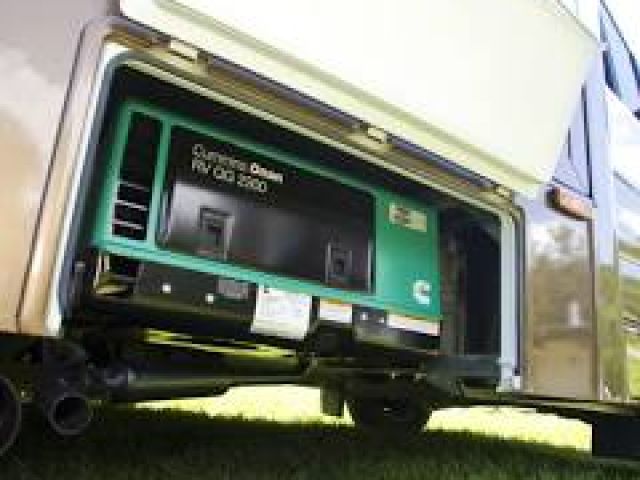
Your generator likely uses the chassis battery and may have a weak connection or failing starting battery. The main engine alternator charges the chassis battery when running, explaining why the generator starts after running the engine.
House battery at 11.2V is critically low. Connect shore power immediately to charge via the Xantrex built-in charger. Investigate why solar and normal charging failed.
Speedometer stopping at 39 mph with working cruise indicates a stepper motor failure in the cluster. The motor can be replaced for $15-30 with soldering, or send cluster for professional rebuild.
Ford F53 cruise control uses a 3-pin contact ring system. Bent contacts are common and can be straightened. Clean contact surfaces and check continuity while turning the wheel.
RV batteries draining overnight typically indicate a parasitic drain from components staying powered when they shouldn't. Use a multimeter to test each circuit systematically, starting with the main disconnect and working through individual fuses to isolate the problem circuit.
Your Ford E350 Class C likely has a factory-installed charge isolator or solenoid limiting current to 20 amps to protect the original lead-acid batteries. This is normal behavior and adding a DC-DC charger was the right solution for lithium batteries.
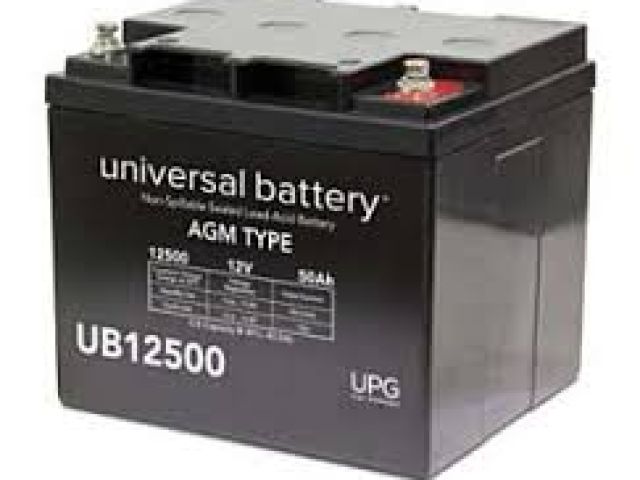
Your East Penn 6V AGM batteries likely sustained some damage from the complete discharge to 8V, but your charging behavior suggests they may have recovered reasonably well. The key indicators are how they hold voltage under load and their actual capacity.
Salesman battery disconnect switches are flawed - they leave parasitic drains while disconnecting charging. Add true manual disconnect at batteries or use battery maintainer during storage. Many owners simply ignore the switch entirely.