Stop RV Battery Drain During Storage - Expert Solutions
Read full question
But here's the thing that's driving me nuts - even with those disconnect switches flipped, my batteries are still going dead! Sometimes I can't even get the engine started and have to hook up a trickle charger just to get things going again. What's the deal? I thought those disconnect switches were supposed to prevent this whole mess. Am I missing something obvious here, or is there more going on that I need to tackle?
Quick Answer
Even with disconnect switches engaged, phantom loads and battery self-discharge can drain RV batteries during storage. Installing battery maintainers, using master disconnect switches, and addressing phantom loads will solve this issue.
Quick Take
Your 2012 Winnebago Tour is experiencing normal battery drain despite using the disconnect switches because these switches don't eliminate all parasitic draws. Even with the chassis and house battery disconnects engaged, your engine batteries are still powering the ECM, radio memory, and other systems that draw 25-50 milliamps continuously. Over a month in storage, this adds up to enough drain to prevent engine starting. The solution involves either installing a battery maintainer system, upgrading to AGM batteries with better self-discharge rates, or implementing a more complete disconnection strategy for long-term storage.
Common Causes
Common causes in your situation include parasitic draw that continues even with the disconnect switches activated. Your chassis battery disconnect likely doesn't cut power to critical engine management systems like the ECM, which needs to maintain fuel trim data and other parameters. The radio, clock, and security systems also continue drawing power. Additionally, your house battery disconnect may not isolate all 12V circuits - many RVs have direct battery connections that bypass the disconnect for safety equipment like CO and propane detectors.
Temperature also plays a significant role in your storage battery issues. Cold weather can reduce battery capacity significantly at freezing temperatures, and all lead-acid batteries naturally self-discharge (typical rates vary by battery type and conditions - consult manufacturer specifications for your specific batteries). With six house batteries, you're dealing with cumulative self-discharge that compounds the problem. Your monthly charging routine helps but may not fully restore the batteries to 100% capacity if they've been deeply discharged multiple times.
The quality and age of your batteries matters too. Your 2012 Tour likely has the original batteries or older replacements that have reduced capacity. Lead-acid batteries typically lose capacity over time with use, making them more susceptible to deep discharge during storage periods.
Preparation
SAFETY WARNING: Always wear safety glasses and gloves when working with batteries. Ensure adequate ventilation when charging batteries to prevent hydrogen gas buildup.
Before implementing storage solutions, test your current battery condition using a digital multimeter and battery load tester. Check each of your six house batteries individually - they should read 12.6-12.8 volts when fully charged and at rest. Load test them at 50% of their cold cranking amp rating for 15 seconds; voltage shouldn't drop below manufacturer specifications (typically 9.6V for flooded lead-acid batteries at 70°F - AGM batteries have different specs). For your chassis batteries, test them similarly using their CCA rating.
Measure the actual parasitic draw on your chassis batteries with an ammeter. With the disconnect switch off and all doors closed, you should see less than 50 milliamps of draw. If it's higher, you may have a component that's not properly isolated by the disconnect switch. Document which systems remain powered when the disconnect is engaged - this will help you understand what's draining your batteries.
Gather the tools and materials you'll need: a digital multimeter, battery terminal cleaner, dielectric grease, and depending on your chosen solution, either a multi-bank battery maintainer system or AGM replacement batteries. For the maintainer route, you'll need a 30-amp RV extension cord if your storage facility has 30-amp power available.
Repair Steps
SAFETY WARNING: Always disconnect power and turn off all systems before working on electrical connections. Never smoke or create sparks near batteries.
The most effective long-term solution is installing a multi-bank battery maintainer system. For your setup, consider a quality 8-bank charger that can handle both your house and chassis batteries simultaneously (this assumes chassis batteries can be maintained individually or paralleled - verify compatibility with your specific battery configuration). Mount the charger in a ventilated compartment and run individual leads to each battery. Install Anderson PowerPole connectors or similar quick-disconnects on each battery lead so you can easily plug in the maintainer when storing the RV. This system will keep all batteries at optimal charge levels and prevent sulfation during extended storage.
If shore power isn't available at your storage facility, implement a more complete battery isolation strategy. Beyond the existing disconnect switches, consider installing removable battery terminal covers or master shut-off switches that completely isolate the negative terminals. For the chassis batteries, focus on the battery maintainer solution as complete ECM disconnection can cause engine management issues and may require ECM reprogramming. This approach requires more work each time you store the RV but eliminates virtually all parasitic draw.
Upgrade your battery maintenance routine by investing in a portable battery charger with reconditioning capability. When you visit monthly, disconnect and charge each battery individually rather than relying solely on the generator and converter. This ensures each battery reaches full charge and helps break down sulfate crystals that form during storage. Also, check and clean battery terminals monthly, applying dielectric grease to prevent corrosion that increases resistance and reduces charging efficiency.
Consider upgrading to AGM batteries for your chassis, which have significantly lower self-discharge rates and better cold-weather performance. Quality AGM batteries (verify correct specifications for your model) will maintain charge much better during storage and typically last longer than conventional lead-acid batteries. Keep your existing house batteries if they're still in good condition, but prioritize the chassis battery upgrade since starting the engine is critical for your monthly maintenance routine.
When to Get Help
Call a qualified RV technician if you discover parasitic draws exceeding 100 milliamps with all systems supposedly off, as this indicates a wiring problem or faulty component that needs professional diagnosis. Also seek help if your battery testing reveals significant capacity loss across multiple batteries - this might indicate a charging system problem with your converter or alternator that's been overcharging and damaging the batteries.
Professional installation is recommended for permanent battery maintainer systems if you're not comfortable with 12V wiring or mounting equipment in your RV. An experienced RV electrician can also evaluate your entire electrical system and recommend improvements like upgrading your converter to a modern multi-stage charger that better maintains batteries during storage.
If you're consistently having starting problems despite following proper storage procedures, have your engine's charging system tested. A failing alternator or voltage regulator can prevent proper charging during your monthly generator runs, making the problem worse over time rather than better.
Tools & Supplies You'll Need
 AstroAI Digital Multimeter and Analyzer TRMS 6000 Counts Volt Meter Ohmmeter
Reads volts, continuity, and resistance — the #1 tool for tracing 12V faults. View on Amazon →
AstroAI Digital Multimeter and Analyzer TRMS 6000 Counts Volt Meter Ohmmeter
Reads volts, continuity, and resistance — the #1 tool for tracing 12V faults. View on Amazon →
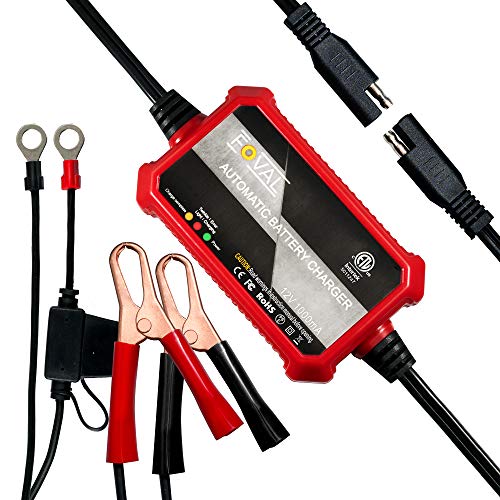 Foval Automatic Trickle Battery Charger 12V 1000mA Smart Battery Charger
Multi-stage charger/maintainer for house and chassis batteries in storage. View on Amazon →
Foval Automatic Trickle Battery Charger 12V 1000mA Smart Battery Charger
Multi-stage charger/maintainer for house and chassis batteries in storage. View on Amazon →
 36 Pcs Wire Brushes for Cleaning Stainless Steel/ Nylon/ Brass Metal Brush
Scours rust, corrosion, and old sealant. View on Amazon →
36 Pcs Wire Brushes for Cleaning Stainless Steel/ Nylon/ Brass Metal Brush
Scours rust, corrosion, and old sealant. View on Amazon →
 BUXIMN Battery Terminal Cleaner Kit, Battery Terminal Brush & 4 in 1 Copper
Wire brush + reamer that shines up corroded battery posts and clamps. View on Amazon →
BUXIMN Battery Terminal Cleaner Kit, Battery Terminal Brush & 4 in 1 Copper
Wire brush + reamer that shines up corroded battery posts and clamps. View on Amazon →
Still need help? Ask an RV Mechanic
Get a personalized answer from a verified RV mechanic. Describe your specific issue and get step-by-step help for your rig.
Related Repair Guides
- Georgetown GT7 Lithium Battery Conversion: Complete RV Installation Guide
- RV Inverter Guide: Modified vs Pure Sine Wave - Safe Power
- RC7-GS Inverter AGM Battery Settings: Complete Setup Guide
- RV Battery Draining Overnight? Find & Fix Parasitic Drain
- MagnaSine MS2012 Inverter Replacement & Upgrades
- RV MPPT Solar Controller E1 Error Code: Causes & Fixes
- RV Inverter Beeping 3 Times Then Shutting Off: Complete Troubleshooting Guide
- Lead Acid vs Lithium RV Batteries: Complete Upgrade Guide
- RV Solar Panels Not Charging Battery: Low Amp Troubleshooting Guide
- Xantrex Freedom X 1200 Inverter Low Battery Warning: Critical 11.2V Fix Guide
Need More Help?
Try our free RV calculators and tools to help diagnose and plan your repairs.
Browse RV ToolsWeight calculator, electrical planner, propane estimator & more
