P068A Code Ford V10 RV: Complete ECM Power Relay Control Circuit Fix Guide
Read full question
Quick Answer
P068A indicates an ECM/PCM Power Relay Control Circuit malfunction in your Ford V10. This typically involves a faulty power relay, damaged wiring, or ECM issues causing engine stalling and starting problems. The PCM power relay (rough ballpark — actual cost varies by region, brand, and model year, and changes over time, so get current quotes) costs around $15-30 and takes about 15 minutes to replace. Inspect the relay socket and wiring for corrosion or damage, as these can cause the relay to fai
Quick Take
Your P068A trouble code on the 2018 Thor Ace with Ford V10 indicates "ECM/PCM Power Relay De-Energized Performance Too Early." This directly explains why your engine died suddenly and why it restarted but then died again shortly after. The code means your powertrain control module (PCM) is losing power prematurely due to a failing power relay or related circuit issues. This is a relatively common issue on Ford V10 engines in RVs, particularly in the 2017-2019 model years, and typically involves the PCM power relay located in the under-hood fuse box. The intermittent nature you experienced - engine dying, restarting, then dying again - is classic behavior for this fault code.
The good news is this is usually a straightforward repair that most RV owners can tackle themselves. The PCM power relay (correct part for your model - verify with dealer) costs around $15-30 (rough ballpark — actual cost varies by region, brand, and model year, and changes over time, so get current quotes) and takes about 15 minutes to replace. However, you'll also need to inspect the relay socket and wiring for corrosion or damage, as these can cause the relay to fail prematurely. In some cases, the issue may be related to the PCM itself, but relay replacement commonly solves the problem on Ford V10s with this code.
Since you were able to restart and drive home, your PCM is likely still functional, which points to the relay or its connections as the culprit. The fact that the engine died completely rather than just running rough also supports this diagnosis - when the PCM loses power, it immediately shuts down all engine functions. Before diving into repairs, you'll want to verify this code is current (not a stored historical code) and check for any related codes that might indicate broader electrical issues.
Common Causes
Common causes of the P068A code on Ford V10 engines include several potential issues, with the PCM power relay being the most frequent culprit. This relay, typically located in a designated position in the under-hood fuse/relay box, provides constant power to the PCM even when the engine is off. When this relay fails or develops high resistance contacts, it can't maintain proper voltage to the PCM, causing the module to shut down unexpectedly. Ford V10s are particularly susceptible to this due to the high current demands and heat cycling in RV applications.
Corrosion in the relay socket is another major cause, especially in RVs that see varied climates and humidity levels. Road salt, moisture intrusion, and temperature fluctuations can cause the relay socket pins to corrode, creating high resistance connections. Even minor corrosion can cause voltage drops that trigger the P068A code. The socket pins may appear fine visually but still have enough corrosion to cause intermittent contact issues. This explains why your engine restarted initially but then failed again - the connection was marginal and failed under load or vibration.
Wiring harness issues represent the third most common cause. The power feed wire to the PCM power relay can develop breaks, particularly where it passes through bulkhead connectors or areas subject to vibration. RVs experience significantly more vibration and flexing than typical vehicles, making wire fatigue a real concern. Additionally, the ground circuit for the PCM can develop high resistance, causing similar symptoms. Poor grounds are notorious on Ford chassis due to corrosion at ground points - consult service manual for specific ground point locations.
Less common but still possible causes include a failing PCM itself, which may draw excessive current and cause the relay to drop out, or issues with the ignition switch circuit that feeds the relay coil. Battery voltage problems can also trigger this code - if the battery voltage drops below about 9.5-10 volts during cranking or operation, the PCM may set this code. Given that your engine restarted normally, battery issues are less likely, but should still be verified as part of a complete diagnosis.
Preparation
WARNING: Always disconnect the negative battery terminal and ensure the engine is completely cool before working on electrical components. Wait at least 10 minutes after battery disconnect to allow PCM capacitors to discharge. Wear safety glasses and work gloves when handling relays and electrical connections.
Before starting any diagnostic work on your 2018 Thor Ace, ensure you have the proper tools and safety equipment. You'll need a basic multimeter capable of measuring DC voltage and resistance, a small flathead screwdriver for removing relays, needle-nose pliers, and electrical contact cleaner. A headlamp or flashlight is essential since you'll be working in the engine compartment. Have a notepad handy to record voltage readings and relay positions, as you may need to test multiple relays and don't want to mix up locations.
Purchase a replacement PCM power relay before starting - obtain the correct part for your model (verify with dealer). Also pick up a small container of dielectric grease and some fine sandpaper (400-600 grit) or emery cloth for cleaning corroded contacts. Electrical contact cleaner spray is invaluable for this repair.
Locate your owner's manual and identify the exact position of the PCM power relay in your under-hood fuse box. In most 2018 Ford V10 RV chassis, this will be in the engine compartment fuse/relay box on the driver's side. The relay is typically labeled as "PCM PWR" and will be in a designated position per your owner's manual. Take a photo of the fuse box with your phone before removing anything, so you can reference original relay positions if needed.
Ensure your RV is parked on level ground with the parking brake set and engine cool. Disconnect the house battery disconnect switch if your RV has one to avoid draining house batteries, but keep the chassis battery connected as it's required for all electrical testing. Clear the area around the fuse box of any obstructions and have adequate lighting. If possible, have a helper available to operate the ignition switch while you monitor voltages, though this repair can be completed solo if necessary.
Repair Steps
Start by clearing the P068A code with your code reader and test driving the RV briefly to see if the code returns immediately. If the code doesn't return right away, drive for 10-15 minutes to see if it reoccurs. If the code returns quickly, proceed with the repair. If not, the issue may be intermittent and you'll need to monitor it over several trips before deciding on a course of action.
With the engine off and key removed, locate the PCM power relay in the under-hood fuse box. Remove the relay by grasping it firmly and pulling straight up - these relays can be tight, so use steady pressure. Examine the relay terminals for any obvious signs of overheating, corrosion, or damage. The relay should have clean, bright terminals with no discoloration. If the terminals are blackened or show signs of arcing, the relay has definitely failed and needs replacement.
Inspect the relay socket carefully using a flashlight. Look for corrosion, bent pins, or debris in the socket. The socket pins should be bright and make firm contact with the relay terminals. If you see any green corrosion or white deposits, clean them using electrical contact cleaner and fine sandpaper or emery cloth. Be gentle but thorough - even minor corrosion can cause high resistance connections. After cleaning, apply a thin coat of dielectric grease to protect against future corrosion.
Before installing a new relay, test the socket for proper voltage. With your multimeter set to DC voltage, probe the relay socket terminals while having a helper turn the ignition to the "on" position (don't start the engine). You should see battery voltage (approximately 12.6 volts) at the power supply terminal and ground (0 volts) at the ground terminal. If voltages are incorrect, you have a wiring issue that needs to be traced and repaired before installing the new relay. will function properly.
Install the new PCM power relay, ensuring it seats fully in the socket. The relay should click into place with minimal force - if you have to force it, double-check that you have the correct relay and that it's oriented properly. Start the engine and let it idle for several minutes, then take a test drive of at least 15-20 minutes to verify the repair. Use your code reader to check for any new or returning codes.
If the P068A code returns after relay replacement, the issue is likely in the wiring harness or PCM itself. Check the voltage at the PCM connector while the engine is running - you should see steady battery voltage at the power feed pin. If voltage is fluctuating or dropping out, trace the wiring from the relay to the PCM for breaks or poor connections. Pay particular attention to any connectors or areas where the harness passes through the firewall or is subject to vibration.
For intermittent issues that are hard to reproduce, consider installing a temporary monitoring system. You can use a multimeter with min/max recording capability to monitor the PCM power supply voltage during extended drives. Set the meter to record minimum voltage and drive normally - if the minimum recorded voltage drops below about 10.5 volts, you've confirmed a power supply issue even if the engine doesn't actually stall.
When to Get Help
If replacing the PCM power relay doesn't resolve the P068A code, or if the code returns within a few days of the repair, it's time to seek professional help. Persistent codes after relay replacement typically indicate deeper electrical issues such as PCM internal faults, wiring harness problems, or multiple component failures. These issues require specialized diagnostic equipment and expertise that most DIY mechanics don't have access to. A Ford dealer or qualified RV service center can perform comprehensive PCM testing and pinpoint wiring diagnostics that go beyond basic relay replacement.
Seek immediate professional help if you experience any of the following symptoms alongside the P068A code: engine stalling at highway speeds that doesn't restart easily, multiple engine codes appearing simultaneously, unusual electrical behavior in other RV systems, or burning smells from the engine compartment. These symptoms suggest more serious electrical problems that could leave you stranded or potentially cause safety hazards. Additionally, if you're not comfortable working with automotive electrical systems or lack the proper tools for diagnosis, professional service is the safest option.
Consider professional service if your RV is still under warranty, as electrical modifications or incorrect repairs could void coverage. Ford's powertrain warranty typically covers PCM failures, and many RV manufacturers extend coverage for electrical issues in the first few years. Before paying for expensive repairs, check your warranty status and consider whether the repair cost justifies professional service versus DIY repair. For complex intermittent issues that are difficult to reproduce, professional diagnostic equipment may be necessary to capture fault data during actual failure events.
Finally, if you've successfully completed the relay replacement but want peace of mind for upcoming long-distance travel, consider having a professional inspection. A qualified technician can verify your repair, check related systems for potential issues, and ensure your RV is ready for extended travel. This is particularly valuable for RVers planning remote or extended trips where breakdowns could be more than just inconvenient. The cost of a diagnostic check is often worth the confidence it provides for worry-free RV adventures.
Tools & Supplies You'll Need
 AstroAI Digital Multimeter and Analyzer TRMS 6000 Counts Volt Meter Ohmmeter
Reads volts, continuity, and resistance — the #1 tool for tracing 12V faults. View on Amazon →
AstroAI Digital Multimeter and Analyzer TRMS 6000 Counts Volt Meter Ohmmeter
Reads volts, continuity, and resistance — the #1 tool for tracing 12V faults. View on Amazon →
 Amartisan 10-Piece Magnetic Screwdrivers Set, 5 Phillips and 5 Slotted Tips
Phillips, flat, and Torx tips for panels, trim, and appliances. View on Amazon →
Amartisan 10-Piece Magnetic Screwdrivers Set, 5 Phillips and 5 Slotted Tips
Phillips, flat, and Torx tips for panels, trim, and appliances. View on Amazon →
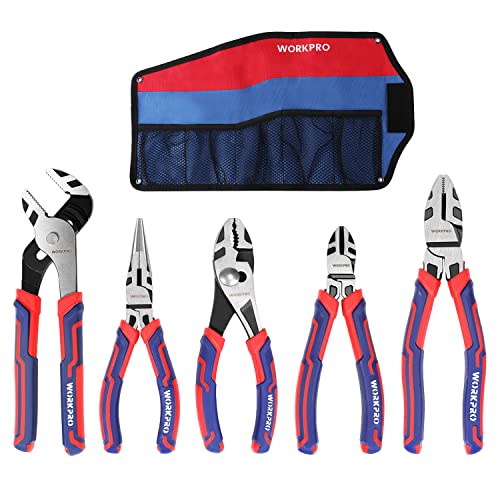 WORKPRO Pliers Set, Premium Cr-V Construction, Includes 6 Inch Slip Joint
Slip-joint, cutting, and groove-joint pliers in one set. View on Amazon →
WORKPRO Pliers Set, Premium Cr-V Construction, Includes 6 Inch Slip Joint
Slip-joint, cutting, and groove-joint pliers in one set. View on Amazon →
 WD-40 Specialist Contact Cleaner Spray, 11 oz.
Flushes oxidation and grime from switches, grounds, and connectors. View on Amazon →
WD-40 Specialist Contact Cleaner Spray, 11 oz.
Flushes oxidation and grime from switches, grounds, and connectors. View on Amazon →
Still need help? Ask an RV Mechanic
Get a personalized answer from a verified RV mechanic. Describe your specific issue and get step-by-step help for your rig.
Related Repair Guides
- Ford E450 V10 Reliability: Expected Mileage and Longevity Guide for RV Owners
- Newmar Motorhome Rough Ride Fix: Suspension & Air Pressure
- Ford V10 Triton Engine Maintenance Guide: EGR Delete vs Regular Service Tips
- Ford V10 Turbo Kit for Motorhomes: Cost, Risks & Better Alternatives
- Ford E450 Inertia Switch Location Guide - Find Your RV's Fuel Cutoff Reset Point
- Onan 5500 Generator Problems: Complete Repair Guide
- Fleetwood Excursion Tire Upgrade Guide: 255 to 275 Width Conversion
- Ford E-350 vs E-450 RV Chassis: Fuel, Power & Weight
- Ford F53 7.5L RV Won't Start: Fuel Pump Relay Voltage Drop Fix
- Generac 7.5kW Diesel Generator Repair Guide - RV Troubleshooting
Need More Help?
Try our free RV calculators and tools to help diagnose and plan your repairs.
Browse RV ToolsWeight calculator, electrical planner, propane estimator & more
