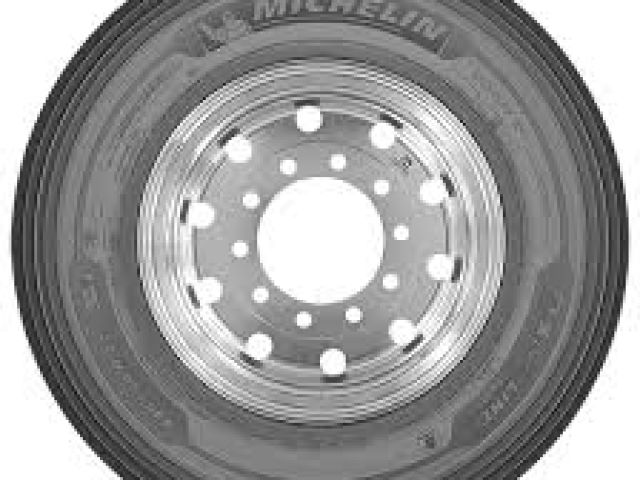
RV Flat Tire on Highway: Emergency Steps & Specialized Roadside Service Tips
Handle RV flat tires on the interstate. Covers safe procedures, who to call for motorhome tire service, and why regular roadside help may not work.
Handle RV flat tires on the interstate. Covers safe procedures, who to call for motorhome tire service, and why regular roadside help may not work.

The ultimate guide to Ford F53 chassis ownership covering everything from routine maintenance to advanced troubleshooting. Learn about common issues, upgrade options, and keep your motorhome running reliably.
Essential guide for Ford E-Series Class C motorhome chassis covering suspension, maintenance, and common issues.
The harsh ride on your F53 chassis can be significantly improved with quality gas shocks like Bilstein 5100s, proper tire pressure adjustment, and additional suspension components like anti-sway bars.
Essential RV tire safety guide covering selection, age limits, maintenance, and when to replace.
The Ford F53 chassis with Godzilla V8 has improved power but still uses the same basic suspension design as previous models, which often requires aftermarket upgrades for optimal handling and ride quality in Class A motorhomes over 30 feet.
Minor hydroboost seeping is common and often not immediately dangerous, but should be monitored closely. Replace the unit when leaking increases or brake performance degrades, as this is a critical safety system.
Death wobble in F53 chassis motorhomes is typically caused by lateral axle movement due to worn or missing panhard bars. A simple $20 DIY test using chain and hardware can confirm the issue and potentially provide a temporary or permanent fix before investing in expensive commercial solutions.
Hydroboost systems use power steering fluid pressure to assist braking instead of engine vacuum. A leak can eventually cause loss of both power steering and power braking if the reservoir runs dry, but you'll retain manual operation.
For 2003 F53 front wheel bearings, use high-quality lithium complex grease rated for wheel bearings, such as Valvoline MaxLife or Timken grease. Avoid mixing different grease types and follow the proper torque sequence: 30 ft-lbs, back off, then 17 in-lbs.
Brake lines on a 1997 F53 chassis should maintain at least 2 inches clearance from calipers and suspension components. The line typically routes from the master cylinder along the frame rail, then curves outward to the brake hose connection point.
Ford F53 motorhomes with GVWR of 20,500-26,000 lbs have redesigned jounce bumpers that are designed to stay in constant contact with the suspension. This is normal and improves ride quality, not a sign of overloading.
Ford E350 dually rims do have different center hole sizes - front wheels typically have smaller center holes (108mm) while rear wheels have larger holes (143mm). You likely purchased a front wheel rim when you need a rear wheel rim for your spare.
A loud cracking noise from your Dutchstar chassis when hitting bumps is likely a suspension component failure, loose chassis connection, or body mount issue. Start by visually inspecting suspension components, sway bars, and chassis connections for damage or looseness.
Thrust angle on Ford F53 motorhomes can often be adjusted through rear axle shims, leaf spring adjustments, or axle repositioning. While shops may claim nothing can be done, several adjustment methods exist for correcting rear alignment issues.