RV Hydroboost Brake System Leak: Repair Guide & Solutions
Read full question
The seeping seems minor right now, but I'm worried it could suddenly get worse while we're on the road. I had attached a picture similar to one I saw in an older forum post. Should I stop driving immediately and get it fixed? Or is some seeping normal and okay to monitor?
My main questions: Is minor hydroboost seeping immediately dangerous? Did Subford ever end up replacing their hydroboost? What does the replacement job involve? I want to be safe but also don't want to panic if this isn't urgent.
Quick Answer
Minor hydroboost seeping is common and often not immediately dangerous, but should be monitored closely. Replace the unit when leaking increases or brake performance degrades, as this is a critical safety system.
Bottom Line Up Front
I'm not Subford, but I can definitely help you with your hydroboost seepage issue. Based on your description of seeping onto the mounting plate below the unit, this is a common problem with aging hydroboost systems that typically starts as minor seepage and can gradually worsen over time. The leak you're seeing is most likely from the internal seals within the hydroboost unit itself, and unfortunately, this type of seepage rarely gets better on its own - it usually progresses to more significant leaking that can affect braking performance and contaminate other components.
While some RVers have lived with minor seepage for years without immediate safety concerns, the real risk is that the leak can suddenly worsen, potentially leading to brake assist failure or hydraulic fluid loss. Since you're already seeing fluid accumulation on the mounting plate, you're at the point where replacement should be seriously considered rather than waiting for it to get worse.
Root Causes
Hydroboost seepage common causes include deteriorating internal seals within the unit, particularly the main piston seals and boost valve seals. These rubber seals harden and shrink over time due to heat cycling, age, and exposure to brake fluid. The constant pressure cycling as you apply and release the brakes gradually wears down these seals until they can no longer maintain a proper seal.
Environmental factors also play a role - RVs experience more vibration and temperature extremes than typical passenger vehicles, which accelerates seal deterioration. Additionally, contaminated brake fluid or using the wrong type of fluid can cause seals to swell or deteriorate prematurely. The mounting location on many RVs also exposes the hydroboost to road debris and weather, which can cause external corrosion that eventually affects internal components.
In some cases, the seepage can be traced to loose fittings or damaged hard lines, but when you're seeing fluid accumulation on the mounting plate as you describe, it's almost always internal seal failure. This type of leak will continue to worsen as the seals deteriorate further, eventually leading to noticeable brake pedal changes or complete loss of power assist.
Before You Start
SAFETY WARNING: Hydroboost replacement involves critical brake system components. Improper installation or bleeding can result in brake failure and serious injury or death. If you are not completely experienced with brake system work, have this service performed by a qualified technician.
Before attempting hydroboost replacement, you'll need to properly diagnose the exact source of the leak to confirm it's coming from the unit itself rather than connected lines or fittings. Clean the entire area thoroughly with brake cleaner and run the engine while applying the brakes several times to see exactly where fresh fluid appears. Check all hydraulic connections, the power steering return line, and the brake master cylinder connections.
Gather the necessary tools including a flare nut wrench set, standard wrenches, a brake bleeder kit, and plenty of brake fluid - you'll need at least one quart for the replacement and bleeding process. Most importantly, have a reliable way to bleed the entire brake system, as this job requires bleeding both the power steering system and the brake system. Consider having a helper available, as bleeding hydroboost systems can be challenging to do alone.
Order your replacement hydroboost unit ahead of time - expect to pay between $300-600 (rough ballpark — actual cost varies by region, brand, and model year and changes over time, so get current quotes) for a quality rebuilt unit, with new units running $600-1200 depending on your chassis (prices vary significantly by region and availability). Make sure you get the correct part for your model (verify with dealer), as there are many variations. You'll also want new brake fluid (use only DOT 3 or manufacturer-specified brake fluid - never use power steering fluid in brake lines as it will damage seals), power steering fluid, and possibly new hydraulic lines if the old ones show signs of deterioration.
The Repair Process
The hydroboost replacement typically takes 4-6 hours for a competent DIY mechanic and involves working in a cramped space behind the brake pedal. Start by disconnecting the battery and removing the master cylinder from the hydroboost unit without disconnecting the brake lines - you can usually support it safely to one side. Next, relieve power steering system pressure by turning steering wheel lock-to-lock with engine off, then disconnect the power steering pressure and return lines from the hydroboost, being prepared for significant fluid spillage.
Remove the four nuts securing the hydroboost to the firewall and carefully maneuver the old unit out - this requires removing the pushrod connection to the brake pedal, which can be tricky to access. Installation is essentially the reverse process, but pay special attention to the pushrod adjustment, as incorrect adjustment can cause either a hard brake pedal or brakes that don't fully release.
The most critical part of this job is the bleeding process. You'll need to bleed both the power steering system and the brake system in the correct sequence. First, with engine off, pump brake pedal until it becomes hard to remove any residual vacuum. Start by filling the power steering reservoir and running the engine while turning the steering wheel lock-to-lock several times. Then bleed the brake system starting with the wheel furthest from the master cylinder and working your way to the closest, making sure to maintain fluid levels throughout the process.
After bleeding, test the system thoroughly by checking for proper brake pedal feel, ensuring the steering operates normally, and verifying that the brake assist is working properly. Road test carefully at low speeds before returning to normal driving, and recheck fluid levels after the first few miles of driving.
Professional Help Needed
While hydroboost replacement is technically within the scope of advanced DIY work, several factors make professional installation worth considering. The confined working space, need for proper bleeding equipment, and critical safety nature of brake systems mean this isn't a job for inexperienced mechanics. If you're not completely comfortable with brake system work or don't have proper bleeding equipment, this is definitely a job for a qualified technician.
Additionally, many shops can bench-test your old unit to confirm it's actually failed versus having a repairable external leak, potentially saving you money. Professional shops also have access to OEM parts and can ensure proper pushrod adjustment, which is critical for safe operation. Expect to pay $400-800 in labor for professional installation, making the total job cost $700-1400 depending on parts choice and local labor rates (costs vary significantly by location and shop type).
Consider having the work done at a truck or RV service center rather than a general automotive shop, as they're more familiar with the larger hydroboost units used on RV chassis and have experience with the access challenges involved. They can also inspect related components like the power steering pump and brake master cylinder that might need attention while everything is apart.
Tools & Supplies You'll Need
 CRAFTSMAN 230 Pcs Mechanics Tool Set, Socket Wrench Set, Car Tool Kit with
A broad SAE/metric socket-and-ratchet set covers most RV fasteners. View on Amazon →
CRAFTSMAN 230 Pcs Mechanics Tool Set, Socket Wrench Set, Car Tool Kit with
A broad SAE/metric socket-and-ratchet set covers most RV fasteners. View on Amazon →
 30-Piece Combination Wrench Set - Open End Wrench Set with Organizer
Box-and-open-end wrenches in SAE and metric. View on Amazon →
30-Piece Combination Wrench Set - Open End Wrench Set with Organizer
Box-and-open-end wrenches in SAE and metric. View on Amazon →
 Performance Tool W4070 Drain Pan, 7 Quart Capacity
Catches oil, coolant, and tank drips. View on Amazon →
Performance Tool W4070 Drain Pan, 7 Quart Capacity
Catches oil, coolant, and tank drips. View on Amazon →
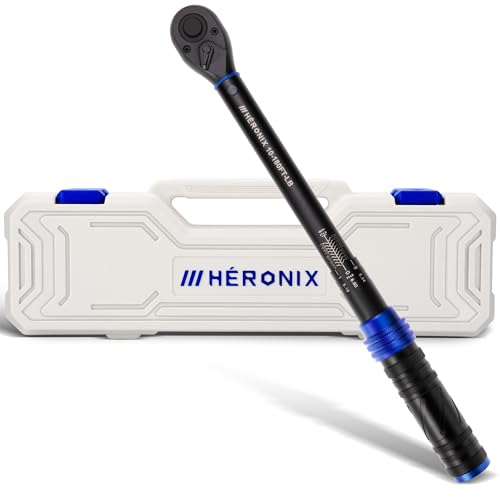 HERONIX 1/2 Inch Drive Click Torque Wrench, 10–180 Ft.Lb/13.6–244.0 Nm
Click-type wrench for lug nuts and anything with a torque spec. View on Amazon →
HERONIX 1/2 Inch Drive Click Torque Wrench, 10–180 Ft.Lb/13.6–244.0 Nm
Click-type wrench for lug nuts and anything with a torque spec. View on Amazon →
Still need help? Ask an RV Mechanic
Get a personalized answer from a verified RV mechanic. Describe your specific issue and get step-by-step help for your rig.
Related Repair Guides
- Ford E-Series (E350/E450) RV Chassis: Complete Guide
- Ford F53 Chassis Complete Guide: Maintenance & Troubleshooting
- RV Flat Tire on Highway: Emergency Steps & Specialized Roadside Service Tips
- Ford E350 Dually Wheel Center Hole Size Guide: Front vs Rear Differences Explained
- RV Tires & Wheels: Complete Maintenance & Safety Guide
- Ford F53 Harsh Ride Fix: Shocks, Springs & Sway Bars
- 2003 Ford F53 Wheel Bearing Grease: Best Products
- Dutchstar Chassis Cracking Noise: Diagnosis & Repair Guide
- F53 Hydroboost Brake System Problems: Complete Repair & Troubleshooting Guide
- Which Dually Tire for RV Leveling Blocks? Inner vs Outer
Need More Help?
Try our free RV calculators and tools to help diagnose and plan your repairs.
Browse RV ToolsWeight calculator, electrical planner, propane estimator & more
