2003 Ford F53 Wheel Bearing Grease: Best Products
Read full question
I've been researching different options and keep seeing conflicting recommendations. Some people swear by standard lithium grease, others recommend full synthetic formulations, and I've even seen mentions of specific brands like Valvoline MaxLife and Timken. I know the F53 chassis carries significantly more weight than a typical pickup truck, so I want to make sure I'm using something that can handle the load.
I have the torque procedure down (30 ft-lbs initial, back off, then final setting at 17 in-lbs), but I want to make sure I'm pairing that proper installation with the right grease. What specific grease products work best for the F53 front wheel bearings, and are there any compatibility issues I should be aware of when selecting a replacement grease?
Quick Answer
For 2003 F53 front wheel bearings, use high-quality lithium complex grease rated for wheel bearings, such as Valvoline MaxLife or Timken grease. Avoid mixing different grease types and follow the proper torque sequence: 30 ft-lbs, back off, then 17 in-lbs. Expect to pay around $18-22 per tube of Valvoline Full Synthetic Wheel Bearing Grease (rough ballpark — actual cost varies by region, brand, and model year, and changes over time, so get current quotes).
The Straight Answer
For your 2003 F53 chassis, I'd recommend sticking with the Valvoline Full Synthetic Wheel Bearing Grease in the grey container over the blue multi-purpose version you originally considered. The black/grey grease you found when disassembling is likely the original factory Ford grease, which was probably a lithium complex formula. Given that you're hauling significantly more weight than your previous vehicles where you used Mystic JT6, the full synthetic option will give you better high-temperature performance and longer service intervals - crucial factors for a motorhome that's likely running heavier loads and dealing with mountain grades that can really heat up those front hubs.
The F53 chassis is a workhorse, and Ford originally specified a high-quality lithium complex grease for these wheel bearings. While your Mystic JT6 served you well on lighter vehicles, the F53's GVWR puts significantly more stress on the front wheel bearings, especially during braking on long downgrades. The synthetic formulation will maintain its viscosity better under the heat cycling these bearings experience, and it won't break down as quickly as conventional greases when temperatures climb above 200°F, which they absolutely will on a loaded motorhome.
Breaking It Down
Let's talk about why grease selection matters so much on your F53 front end. The bearing races showing wear marks tells me these bearings have been working hard, and while there's no catastrophic damage, they've been dealing with the typical loads that come with motorhome duty. The F53 front axle uses tapered roller bearings in a traditional hub setup, and these bearings rely entirely on that grease film to prevent metal-to-metal contact between the rollers, races, and cage.
The difference between the blue Valvoline multi-purpose grease and the grey synthetic version comes down to the base oil and additive package. The multi-purpose grease uses a conventional mineral oil base with a lithium soap thickener - it's perfectly adequate for standard automotive applications but starts to struggle when temperatures get above 180°F consistently. The synthetic version uses a PAO (polyalphaolefin) base oil that maintains its lubricating properties well beyond 300°F and includes superior anti-wear additives specifically designed for high-load bearing applications.
Your F53 is particularly demanding on front wheel bearings because of the weight distribution. Unlike a pickup truck where the engine weight helps balance the front axle load, motorhomes often have their heaviest components (like slide rooms, awnings, and storage bays) positioned toward the rear, but the front bearings still carry substantial weight plus all the dynamic loads from steering, braking, and road forces. When you're descending a long grade with a 30,000+ pound rig, those front wheel bearings are doing double duty - they're supporting the weight while also dealing with the tremendous heat generated by the disc brakes.
The black/grey grease you found is interesting - that color suggests it was either a moly-fortified grease or possibly had some graphite additives. Ford has used various suppliers over the years, but they typically spec a lithium complex grease with anti-wear additives. The fact that it wasn't completely black (which would indicate severe contamination) and you didn't find metal particles is actually a good sign that your previous maintenance intervals were appropriate, even if the grease had reached the end of its effective life.
What You Need
For this job, you'll want to pick up two tubes of Valvoline Full Synthetic Wheel Bearing Grease - part number VV986 (verify the exact part number for your specific model and year with the manufacturer or dealer — generic numbers may not fit). Each tube contains 14 ounces, and you'll typically use about 3-4 ounces per wheel bearing assembly when properly packed, so one tube should handle both front wheels with some left over for future maintenance. Expect to pay around $18-22 per tube at most auto parts stores, which might seem expensive compared to conventional grease, but remember you're protecting bearings that cost $150+ per side to replace (rough ballpark — actual cost varies by region, brand, and model year, and changes over time, so get current quotes).
The synthetic grease has several key specifications that make it ideal for your application: it has an NLGI Grade 2 consistency (which matches Ford's original specification), a dropping point above 500°F (meaning it won't liquefy under extreme heat), and it includes molybdenum disulfide and other extreme pressure additives that create a sacrificial layer on metal surfaces. This is particularly important during those initial moments when you're starting up after the rig has sat for a while - the grease film provides protection even before the bearings are fully lubricated from rotation.
You'll also want to have some compatible brake parts cleaner or mineral spirits on hand to thoroughly clean the old grease from the hub and spindle. Don't use aggressive solvents like acetone or lacquer thinner, as they can potentially damage rubber seals. A good quality bearing packer tool is worth the investment too - while you can pack bearings by hand, a bearing packer ensures you get grease into all the spaces between rollers and eliminates air pockets that could cause premature bearing failure.
Make sure you have your torque specifications handy, and it sounds like you already have the proper procedure: torque to 30 ft-lbs while rotating the wheel, back off completely, then retorque finger-tight plus 1/8 turn for proper preload. You'll also need a new cotter pin for each side, and I'd recommend having a spare outer seal on hand in case you damage one during installation. The Ford part number for the front wheel seal on most F53 chassis is F81Z-1175-AA, though you should verify this matches your specific year and brake configuration.
Doing the Work
Start by getting the rig positioned on level ground and properly supported with jack stands - never trust just the jack when you're working under a heavy motorhome. Remove the wheel and brake caliper, being careful not to let the caliper hang by the brake line. Support it with a wire hook or bungee cord to keep stress off the hydraulic connection. Pull the rotor and dust cap, then remove the cotter pin and castle nut. The outer bearing will come right out, but you'll need to work the hub off the spindle to access the inner bearing and seal.
Once you have everything apart, take time to really inspect the spindle and hub surfaces. Look for scoring, pitting, or any signs of wear that might indicate alignment issues or contamination problems. The spindle should be smooth and show only normal polishing from the bearing contact - any gouges or rough spots mean you've got bigger problems that need addressing before reassembly. Clean everything thoroughly with brake cleaner, paying special attention to the bearing races in the hub.
When packing the new bearings with synthetic grease, work it in thoroughly between all the rollers and the cage. You want to see grease oozing out between the rollers - this ensures complete coverage. Don't overfill the hub cavity with grease; about one-third full is plenty. Too much grease can actually cause overheating because it churns and creates friction rather than lubricating. Apply a thin film of grease to the spindle, particularly in the seal contact area and at the bearing races.
Installation is the reverse of removal, but take your time with the bearing adjustment procedure. That 30 ft-lbs initial torque while rotating the wheel seats everything properly and eliminates any high spots or misalignment. When you back off completely, then retorque finger-tight plus 1/8 turn, you're setting the proper preload for optimal bearing life. The wheel should turn freely with just slight drag - if it feels loose or binds at any point, start over with the adjustment procedure. A properly adjusted wheel bearing will provide years of reliable service when properly maintained. You'll have about 0.001 to 0.005 inches of end play, which you can check with a dial indicator if you want to be precise.
After everything's buttoned up and you've test-driven the rig, check the hubs for temperature after about 50 miles of driving. They should be warm to the touch but not so hot you can't hold your hand on them. Excessive heat indicates either over-adjustment of the bearings or possibly a dragging brake caliper. It's also worth checking the adjustment again after the first 500 miles, as new bearings can settle slightly during their initial break-in period.
Time for a Pro
While front wheel bearing service is definitely within the capabilities of most DIY RV owners, there are a few situations where you'd want to consider professional help. If you discovered any scoring or damage to the spindle during disassembly, that's a job for a shop with proper machining capabilities. Similarly, if the bearing races in the hub show signs of spinning or have deep gouges, the hub may need to be machined or replaced - not something most home mechanics can handle.
Another consideration is brake system work. Since you mentioned you're also replacing the brakes, if you're not comfortable with brake caliper service, bleeding procedures, or rotor replacement, it makes sense to have a professional handle the entire job. Brake work on a heavy motorhome isn't the place to learn new skills - the consequences of mistakes are just too serious. A good RV service center will typically charge $400-600 per side for complete front brake and bearing service, which includes parts and labor (rough ballpark — actual cost varies by region, brand, and model year, and changes over time, so get current quotes).
If you decide to tackle this yourself but run into problems during the bearing adjustment procedure, don't keep guessing at it. Improper bearing preload can destroy expensive components quickly, and over-tightened bearings can actually cause more heat and wear than loose ones. Many truck shops have the proper tools and experience to set these adjustments correctly, and it's worth the $100-150 labor charge to have it done right rather than risk damaging $300+ worth of new bearings and potentially creating a safety hazard on the road.
Tools & Supplies You'll Need
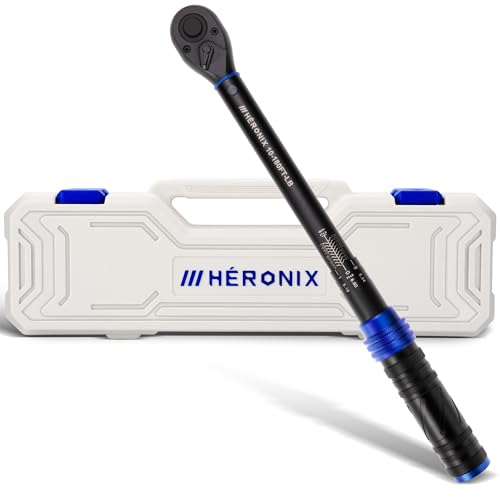 HERONIX 1/2 Inch Drive Click Torque Wrench, 10–180 Ft.Lb/13.6–244.0 Nm
Click-type wrench for lug nuts and anything with a torque spec. View on Amazon →
HERONIX 1/2 Inch Drive Click Torque Wrench, 10–180 Ft.Lb/13.6–244.0 Nm
Click-type wrench for lug nuts and anything with a torque spec. View on Amazon →
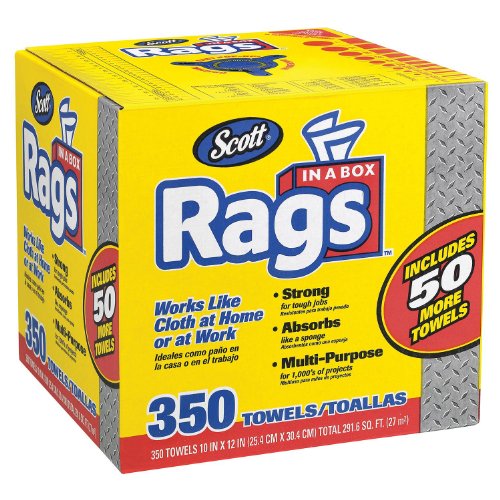 Scott Shop Rags In A Box (350ct.)
Lint-light rags for cleanup and prep. View on Amazon →
Scott Shop Rags In A Box (350ct.)
Lint-light rags for cleanup and prep. View on Amazon →
 BIG RED T43202 Torin Heavy Duty Steel Jack Stands: 3 Ton (6,000 lb) Capacity
Hold the rig up safely once it is lifted. View on Amazon →
BIG RED T43202 Torin Heavy Duty Steel Jack Stands: 3 Ton (6,000 lb) Capacity
Hold the rig up safely once it is lifted. View on Amazon →
 CRAFTSMAN 230 Pcs Mechanics Tool Set, Socket Wrench Set, Car Tool Kit with
A broad SAE/metric socket-and-ratchet set covers most RV fasteners. View on Amazon →
CRAFTSMAN 230 Pcs Mechanics Tool Set, Socket Wrench Set, Car Tool Kit with
A broad SAE/metric socket-and-ratchet set covers most RV fasteners. View on Amazon →
Still need help? Ask an RV Mechanic
Get a personalized answer from a verified RV mechanic. Describe your specific issue and get step-by-step help for your rig.
Related Repair Guides
- Ford E-Series (E350/E450) RV Chassis: Complete Guide
- Ford F53 Chassis Complete Guide: Maintenance & Troubleshooting
- RV Flat Tire on Highway: Emergency Steps & Specialized Roadside Service Tips
- Ford E350 Dually Wheel Center Hole Size Guide: Front vs Rear Differences Explained
- RV Tires & Wheels: Complete Maintenance & Safety Guide
- Ford F53 Harsh Ride Fix: Shocks, Springs & Sway Bars
- Dutchstar Chassis Cracking Noise: Diagnosis & Repair Guide
- F53 Hydroboost Brake System Problems: Complete Repair & Troubleshooting Guide
- Which Dually Tire for RV Leveling Blocks? Inner vs Outer
- RV Hydroboost Brake System Leak: Repair Guide & Solutions
Need More Help?
Try our free RV calculators and tools to help diagnose and plan your repairs.
Browse RV ToolsWeight calculator, electrical planner, propane estimator & more
