How to Properly Store RV Lithium Batteries During Wisconsin Winters: Cold Weather Care Guide
Read full question
I know lithium batteries are supposedly the bee's knees compared to lead-acid, but I'm pretty sure letting them freeze solid in my garage isn't part of their charm. Should I be storing them somewhere warmer? What about charge levels - do I top them off or run them down? And please tell me I don't have to babysit them all winter long!
Could use some advice specific to RV lithium battery storage, since I didn't mention the specific battery type or RV details in my original post.
Quick Answer
Store lithium batteries indoors above 32F at 40-60% charge. Wisconsin basement temperatures (55-65F) are ideal. Never charge lithium batteries below freezing - this permanently damages cells. Check voltage every 2-3 months during storage.
The Quick Answer
Yes — Wisconsin's brutal winters can permanently damage your RV's lithium batteries if stored incorrectly, but following these specific temperature and charge guidelines will keep them healthy all season long. Given Wisconsin's extreme cold, never leave lithium batteries in your RV over winter - bring them indoors to a basement, heated garage, or climate-controlled storage area. Check and top off the charge every 3-4 months during storage to prevent deep discharge damage.
What's Causing This
Wisconsin's winter temperatures can drop well below 0°F, which creates several serious problems for lithium batteries. First, most lithium batteries have built-in Battery Management Systems (BMS) that shut down charging when temperatures drop below 32°F to prevent permanent damage to the cells. Second, extremely cold temperatures increase internal resistance and slow ion movement within the cells, reducing capacity.
Unlike lead-acid batteries that can handle some freezing, lithium batteries can suffer permanent capacity loss if exposed to sustained sub-freezing temperatures. The cold also accelerates self-discharge, meaning your batteries will lose their stored charge faster than normal. Wisconsin's temperature swings from summer heat to bitter winter cold create thermal stress that can damage battery connections and internal components over time.
Improper storage charge levels compound these problems. Storing lithium batteries at 100% charge can cause cell degradation over time, while storing them completely discharged can trigger the BMS to enter deep sleep mode, making the battery difficult or impossible to recharge.
Tools You'll Need
- Digital multimeter for voltage checking
- Battery monitor or smartphone app (if your batteries support Bluetooth monitoring)
- Appropriate lithium battery charger or your RV's converter/charger
- Insulated battery storage containers or battery boxes
- Battery terminal protectors or dielectric grease
- Cable disconnect tools or battery switches
- Temperature monitoring device for storage area
- Battery maintenance log or smartphone app for tracking
Step-by-Step Fix
Pre-Storage Preparation (September-October): First, fully charge your lithium batteries to 100% and then discharge them to 40-50% capacity. This is the optimal storage charge level. Clean all battery terminals with a wire brush and apply dielectric grease to prevent corrosion during storage. Disconnect the batteries from your RV's electrical system to prevent parasitic drain from clocks, CO detectors, and other always-on devices.
Indoor Storage Setup: Move the batteries to your basement, heated garage, or another indoor location that stays between 32-77°F year-round. Avoid storing near furnaces, water heaters, or other heat sources. Place batteries on wooden pallets or shelves to keep them organized and easily accessible. Ensure the storage area has good ventilation and isn't prone to flooding.
Quarterly Monitoring Routine: Check battery voltage every 3-4 months using your multimeter - lithium batteries should read 13.1-13.2V at 50% charge. If voltage drops below 13.0V, recharge to 50% immediately. Keep a log of voltage readings and dates. If you have Bluetooth-enabled batteries, use the manufacturer's app to monitor individual cell voltages and ensure they remain balanced.
Quarterly Maintenance: Every 3-4 months, check voltage and top off to 50% charge if needed. Check all terminal connections for corrosion and tighten if necessary. Verify that your storage area temperature hasn't fluctuated outside the safe range.
Spring Reactivation (March-April): Before reinstalling in your RV, fully charge batteries and perform a capacity test. Check that all cells are balanced using your battery monitor. Clean terminals again and apply fresh dielectric grease before reconnecting to your RV system. Test your RV's charging system to ensure it's properly configured for your specific lithium battery brand and model.
When to Call a Pro
Contact an RV electrical technician if your lithium batteries won't take a charge after winter storage, as this typically indicates BMS issues or cell damage that requires specialized testing equipment. Call a professional if you discover significant voltage differences between individual cells (more than 0.2V), which suggests cell imbalance that may require professional balancing equipment.
Get professional help if your batteries have swollen, developed unusual odors, or show signs of physical damage during storage. These are safety concerns that shouldn't be addressed by DIY methods. Additionally, if your RV's charging system isn't properly configured for lithium batteries, have a certified RV technician update the converter/charger programming - improper charging profiles can damage expensive lithium batteries even during the reactivation process.
Finally, consider professional consultation if you're storing a large battery bank worth several thousand dollars. Many RV service centers in Wisconsin offer winter battery storage services with climate-controlled facilities and professional monitoring, which might be cost-effective compared to heating a garage or dealing with potential battery replacement costs.
Tools & Supplies You'll Need
 AstroAI Digital Multimeter and Analyzer TRMS 6000 Counts Volt Meter Ohmmeter
Reads volts, continuity, and resistance — the #1 tool for tracing 12V faults. View on Amazon →
AstroAI Digital Multimeter and Analyzer TRMS 6000 Counts Volt Meter Ohmmeter
Reads volts, continuity, and resistance — the #1 tool for tracing 12V faults. View on Amazon →
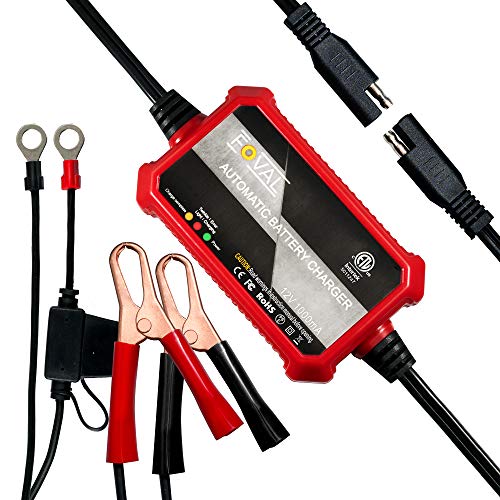 Foval Automatic Trickle Battery Charger 12V 1000mA Smart Battery Charger
Multi-stage charger/maintainer for house and chassis batteries in storage. View on Amazon →
Foval Automatic Trickle Battery Charger 12V 1000mA Smart Battery Charger
Multi-stage charger/maintainer for house and chassis batteries in storage. View on Amazon →
Still need help? Ask an RV Mechanic
Get a personalized answer from a verified RV mechanic. Describe your specific issue and get step-by-step help for your rig.
Related Repair Guides
- Georgetown GT7 Lithium Battery Conversion: Complete RV Installation Guide
- RV Inverter Guide: Modified vs Pure Sine Wave - Safe Power
- RC7-GS Inverter AGM Battery Settings: Complete Setup Guide
- RV Battery Draining Overnight? Find & Fix Parasitic Drain
- MagnaSine MS2012 Inverter Replacement & Upgrades
- RV MPPT Solar Controller E1 Error Code: Causes & Fixes
- RV Inverter Beeping 3 Times Then Shutting Off: Complete Troubleshooting Guide
- Lead Acid vs Lithium RV Batteries: Complete Upgrade Guide
- Xantrex Freedom X 1200 Inverter Low Battery Warning: Critical 11.2V Fix Guide
- RV Solar Panels Not Charging Battery: Low Amp Troubleshooting Guide
Need More Help?
Try our free RV calculators and tools to help diagnose and plan your repairs.
Browse RV ToolsWeight calculator, electrical planner, propane estimator & more
