Ford RV Speedometer Stuck at 39 MPH: Quick Stepper Motor Fix Guide
Read full question
The weird thing is that my cruise control still functions normally and the odometer keeps tracking miles correctly. I'm just not sure what could cause the speedometer to max out like this while everything else works. Is this something that happens often with these Ford-based motorhomes? I'm hoping it's not going to be some crazy expensive fix since I'm still learning about RV maintenance costs.
Quick Answer
Speedometer stopping at 39 mph with working cruise indicates a stepper motor failure in the cluster. The motor can be replaced for $15-30 with soldering, or send cluster for professional rebuild.
What's Going On
Your 2003 Hurricane 34R's speedometer maxing out at 39 mph while the GPS shows you're actually going faster is a classic sign of a failing speedometer stepper motor or corrupted instrument cluster memory. Since your odometer and cruise control are still working, the vehicle speed sensor (VSS) is sending good data to the ECM - the problem is specifically in the speedometer display mechanism itself. The fact that your cruise control functions but doesn't illuminate suggests there may also be a separate LED or backlighting issue in the instrument cluster, though this could be unrelated to the speedometer problem.
This is actually a common issue with early 2000s Hurricane motorhomes, which typically use Ford chassis with instrument clusters that develop stepper motor problems after 15-20 years. The good news is that since your cruise works and odometer functions properly, your speed sensor and main electrical connections are fine - this is purely a gauge cluster internal problem.
Why This Happens
The speedometer in your 2003 Hurricane uses a stepper motor mechanism that moves the needle to the correct position based on electrical signals from the ECM. Over time, these tiny motors develop internal wear or get stuck in certain positions. Common causes of stepper motor failure include binding mechanically or the internal circuit board that controls it developing problems. Since you're stuck at 39 mph specifically, the motor is likely jammed at that position or the circuit thinks that's the maximum safe reading.
Another possibility is corrupted memory in the instrument cluster's computer module. These clusters have small processors that can develop glitches over time, especially after electrical spikes or battery disconnections. The processor may have stored an incorrect maximum value or lost its calibration data. Temperature cycling from years of dashboard heat can also cause solder joints to crack on the circuit boards.
The cruise control light issue is likely a separate problem - either a burned out LED or a connection issue to the backlighting circuit. This doesn't affect cruise function since the ECM handles that independently of the display.
Getting Ready
SAFETY WARNING: Always disconnect the battery before working on electrical systems. Allow the airbag system capacitor to discharge for at least 30 minutes (or per manufacturer specifications) before removing the instrument cluster.
Before diving into repairs, you'll need some basic tools: a multimeter capable of measuring 12V DC signals (typical instrument cluster voltage range is 11-14V DC), trim removal tools or small flat-blade screwdrivers, and possibly a Torx driver set depending on your specific dash configuration. Have your Hurricane's manual handy to identify the correct instrument cluster removal procedure, as it varies slightly between chassis manufacturers Ford used in 2003.
You should also document your current odometer reading with photos, as some repair procedures can reset this value. Check if your Hurricane has an extended warranty or service bulletins for instrument cluster issues - Ford issued several updates for speedometer problems in this era. Locate your VIN and have it ready, as you may need it for programming if cluster replacement becomes necessary.
Plan for the vehicle to be down for at least a few hours to a full day depending on the repair route you choose. If you need to send the cluster out for professional repair, budget 3-5 business days turnaround time. Consider having backup transportation arranged, especially if this is your primary RV for an upcoming trip.
Walking Through the Fix
SAFETY WARNING: Ensure battery is disconnected and airbag system has discharged before proceeding with cluster removal.
Start by removing the instrument cluster bezel - typically held by clips or a few screws around the perimeter. Most 2003 Hurricanes allow cluster removal without pulling the entire dash. Carefully disconnect the main electrical connector on the back of the cluster and remove the mounting screws. Handle the cluster gently as the circuit boards are fragile.
Once removed, you have several options. First, try a basic cluster reset by disconnecting the battery for 30 minutes, then reconnecting and starting the vehicle to see if the cluster self-calibrates. This sometimes clears corrupted memory. If that doesn't work, look for obvious signs of damage like burned components or loose connections on the back of the cluster.
For the speedometer specifically, professional diagnosis is recommended. Attempting unverified button combinations or ignition cycling procedures can trigger fault codes. Be aware that incorrect sequences can cause additional problems, so document the current state first.
If DIY recalibration doesn't work, your best bet is sending the cluster to a professional speedometer repair service. They can replace the correct stepper motor part for your model (verify with dealer) and handle recalibration. For the cruise control light, this is often just an LED replacement they can handle during the same repair.
Beyond DIY Territory
If the instrument cluster needs complete replacement rather than repair, you're looking at $400-800 (rough ballpark — actual cost varies by region, brand, and model year and changes over time, so get current quotes) for a remanufactured unit, plus potential programming costs. New clusters from Ford (if still available) can run $1000+. Any replacement cluster will need odometer programming to match your current mileage - this requires dealer-level scan tools or a locksmith with automotive programming capability.
Before going the replacement route, consider that some automotive electronics shops can bench-test your cluster and give you a definitive diagnosis for $75-100. This can save money if the problem is something simple like a blown fuse or connector corrosion rather than internal component failure. They can also verify if the cruise control light issue is related to the speedometer problem or needs separate attention.
For complex electrical problems beyond the cluster itself - like ECM communication issues or wiring harness problems - you'll need RV service center diagnostics with proper scan tools. However, given that your cruise and odometer work fine, these deeper electrical issues are unlikely in your case.
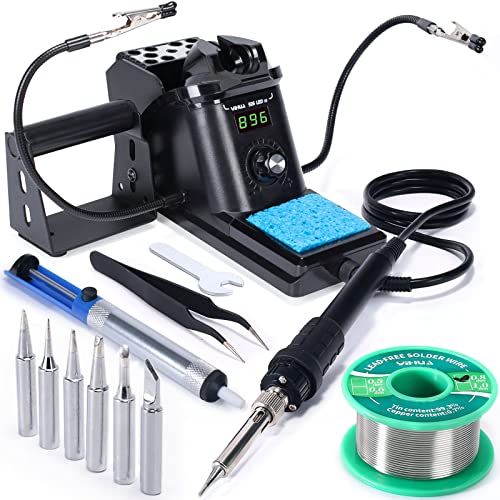
Tools & Supplies You'll Need
Still need help? Ask an RV Mechanic
Get a personalized answer from a verified RV mechanic. Describe your specific issue and get step-by-step help for your rig.
Related Repair Guides
- Ford E450 V10 Reliability: Expected Mileage and Longevity Guide for RV Owners
- Newmar Motorhome Rough Ride Fix: Suspension & Air Pressure
- Ford V10 Triton Engine Maintenance Guide: EGR Delete vs Regular Service Tips
- Ford V10 Turbo Kit for Motorhomes: Cost, Risks & Better Alternatives
- Ford E450 Inertia Switch Location Guide - Find Your RV's Fuel Cutoff Reset Point
- Onan 5500 Generator Problems: Complete Repair Guide
- Fleetwood Excursion Tire Upgrade Guide: 255 to 275 Width Conversion
- Ford E-350 vs E-450 RV Chassis: Fuel, Power & Weight
- Ford F53 7.5L RV Won't Start: Fuel Pump Relay Voltage Drop Fix
- Generac 7.5kW Diesel Generator Repair Guide - RV Troubleshooting
Need More Help?
Try our free RV calculators and tools to help diagnose and plan your repairs.
Browse RV ToolsWeight calculator, electrical planner, propane estimator & more
