Remote RV Diesel Fueling: Complete Guide for Campground Fuel Strategies
Tips for fueling diesel RVs at remote campgrounds. Covers planning, finding fuel, pump limitations, and emergency fuel strategies.
Your 2000 Safari Sahar likely has an ACME fitting on the LPG tank that allows for transfer from portable tanks. However, liquid-to-liquid transfer requires specific equipment and safety precautions since you'll be dealing with a permanently mounted tank system.
Lukewarm water from your RV heater is typically caused by a failing heating element, sediment buildup, or thermostat issues. Most problems can be fixed by replacing the heating element, flushing the tank, or adjusting the thermostat.
Oil in coolant on your 1999 F53 V10 typically indicates a blown head gasket, cracked head, or engine block issue. Perform diagnostic tests including compression, cooling system pressure, and combustion leak tests to confirm the problem before attempting repairs.
Depends on dryer voltage. 120V dryers work on 30 amp with load management - turn off AC while drying. 240V dryers require 50 amp service. Check your specific dryer model specifications to confirm voltage requirements.
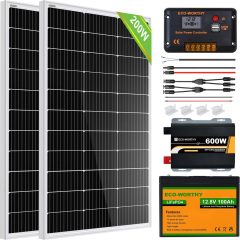
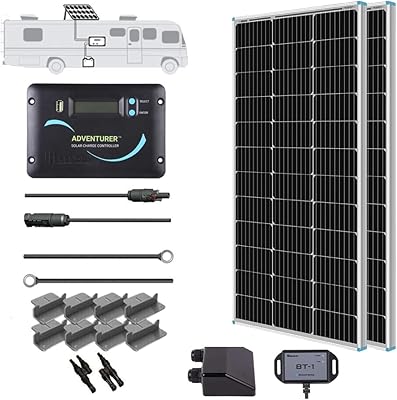
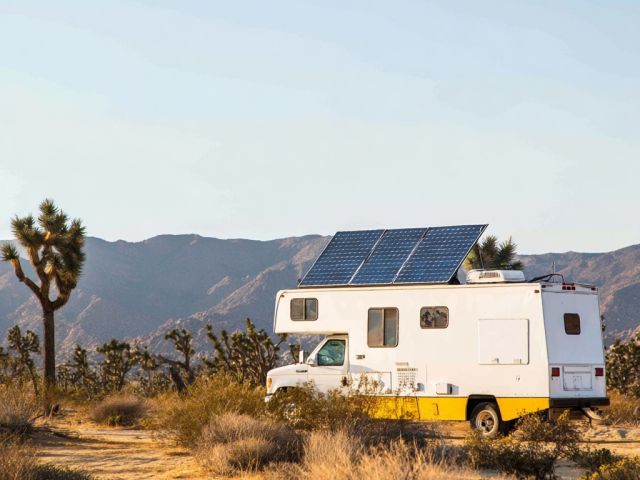
Most RV solar systems range from 200-800 watts using 12V panels wired in parallel with PWM or MPPT controllers. Wire gauge depends on amperage and distance, with 10-12 AWG typical for most installations.
A Norcold N7LX.3F running more frequently than normal typically indicates cooling efficiency problems. Check door seals, thermostat calibration, and ensure proper ventilation around the cooling unit.
The Ford F53 chassis with Godzilla V8 has improved power but still uses the same basic suspension design as previous models, which often requires aftermarket upgrades for optimal handling and ride quality in Class A motorhomes over 30 feet.
E-450 front squeak - identify when it occurs. Braking squeak is brakes. Over bumps is suspension. Check bushings, ball joints, and brake wear indicators.
Speed-dependent squeal from front driver side is likely brake caliper drag or wheel bearing. After driving until noise appears, feel wheel hub for heat - hot hub indicates caliper drag. Jack up and check for wheel bearing play. Compare to passenger side.
Reinforcing RV ladder with aluminum square tubing adds rigidity and safety. Bolt 1-inch aluminum tubes alongside ladder rails at multiple points using stainless hardware. This distributes load and reduces flexing for heavier users.
Your Norcold absorption fridge shows classic signs of cooling unit inefficiency - warm freezer (0-5°F vs ideal -5 to 0°F) and cold refrigerator (30-35°F vs ideal 35-38°F). This typically indicates failing cooling coils or poor heat exchange that requires professional repair or replacement.
Your RV AC is likely experiencing reduced efficiency due to dirty air filters, blocked return air vents, or thermal cycling issues. The system may be short cycling in moderate temperatures, preventing proper dehumidification and cooling.
Common firewall modules on 2001 F53 include GEM, Ignition Control Module, and Fuel Pump Driver Module. Your overheated module with heat sink sounds like a power-handling component. Post photos to Ford truck forums for exact identification. Trace wires to identify function.
Norcold Chapter 11 is restructuring, not closure. Parts should remain available short-term. Owners should source needed parts promptly and consider alternatives for major repairs.