RV Water Heater Not Hot Enough: Fix Lukewarm Water Issues
Read full question
I've been dealing with this for weeks now and it's driving me crazy. The water gets warm, but nowhere near the hot temperatures I used to get. Is this a common problem with RV water heaters? What are the most likely culprits when you're getting lukewarm water instead of hot? I really need to figure out what's causing this and how to fix it before my next camping trip.
Quick Answer
Lukewarm water from your RV heater is typically caused by a failing heating element, sediment buildup, or thermostat issues. Most problems can be fixed by replacing the heating element, flushing the tank, or adjusting the thermostat. You can expect to spend between $25-150 on parts depending on what needs replacement, with thermostats running $25-45, heating elements $35-65, and anode rods $15-25 (rough ballpark — actual cost varies by region, brand, and model year, and changes over time, so get
Bottom Line Up Front
Your RV water heater producing only lukewarm water despite having both electric and gas elements working indicates you're likely dealing with a failing thermostat, sediment buildup in the tank, or cross-connection issues in your plumbing system. Since both heating sources are functioning but not producing adequate heat, this rules out simple element failures and points to temperature regulation problems or heat transfer issues. Common causes include a faulty thermostat that's shutting off the heating elements before reaching proper temperature, followed by mineral deposits coating the heating elements and reducing their efficiency.
You can expect to spend between $25-150 on parts depending on what needs replacement, with thermostats running $25-45, heating elements $35-65, and anode rods (anode rods apply to Suburban steel tanks; Atwood/Dometic aluminum tanks do not use one) $15-25 (rough ballpark — actual cost varies by region, brand, and model year, and changes over time, so get current quotes). The repair process typically takes 2-4 hours for a DIY owner with basic tools. Most of these issues can be resolved without professional help, though you'll want to call in an RV technician if you discover gas valve problems or suspect cross-connected plumbing lines.
Root Causes
The primary reason your water heater produces lukewarm water when both heating sources appear functional is thermostat malfunction. RV water heaters use either a single thermostat controlling both gas and electric operation, or dual thermostats working in tandem. When these fail, they often shut off heating elements prematurely, preventing the water from reaching the manufacturer-specified temperature range (verify specific temperature with manufacturer specifications). This creates the exact symptoms you're experiencing where the unit seems to work but never gets hot enough.
Sediment accumulation represents the second most likely cause of your heating issues. Over time, minerals from your water supply settle at the bottom of the tank and coat the heating elements. This sediment acts as an insulator, preventing efficient heat transfer from the elements to the water. Even with functioning thermostats, heavily fouled elements simply cannot heat water effectively, resulting in the lukewarm temperatures you're getting.
Cross-connection problems in your RV's plumbing system can also create this exact symptom. When hot and cold water lines develop even small connections through faulty mixing valves or damaged pipe joints, cold water continuously dilutes your heated water. This means your water heater is actually producing hot water, but it's being cooled before reaching your taps. This issue is particularly common in RVs that have sat unused for extended periods or experienced freeze damage.
Additional factors contributing to inadequate heating include:
- Failed heating elements that appear to work but operate at reduced capacity
- Corroded anode rod allowing tank corrosion that affects heat retention
- Damaged tank insulation reducing the unit's ability to maintain temperature
- Gas supply pressure issues preventing proper flame intensity
- Electrical voltage problems reducing electric element effectiveness
- Thermostat calibration drift causing premature shutoff at lower temperatures
Before You Start
WARNING: Working on RV water heaters involves serious electrical shock and gas leak hazards. Always disconnect electrical power at the main panel and shut off gas supply before beginning any work. Ensure adequate ventilation and have a fire extinguisher nearby. Electrical shock can cause serious injury or death, and gas leaks can result in fire or explosion.
Safety preparation is absolutely critical when working on RV water heaters since you'll be dealing with both electrical components and potentially gas systems. Start by turning off all power to the water heater at the main electrical panel and switching off the gas supply if your unit uses both fuel sources. Allow the water heater to cool completely for at least two hours before beginning any work, as both the tank and surrounding components retain significant heat.
Gather the essential tools you'll need for diagnosis and repair. Your toolkit should include a multimeter for electrical testing, socket wrenches in 1-1/16" and 1-1/8" sizes for element removal, channel lock pliers, screwdrivers, and a flashlight or headlamp for interior tank inspection. You'll also want a garden hose for tank draining, a shop vacuum for sediment removal, and basic electrical supplies like wire nuts and electrical tape.
Prepare your workspace by ensuring adequate ventilation, especially if you'll be working with gas components. Have a fire extinguisher nearby as a precaution, and consider having a helper available for heavy lifting when removing the water heater cover or accessing internal components. Stock up on potentially needed replacement parts including thermostats compatible with your specific water heater model, heating elements, and an anode rod.
Before starting repairs, document your current system setup with photos. This proves invaluable when reconnecting wires and plumbing lines later. Test your water temperature at multiple taps throughout the RV to confirm the problem affects all hot water outlets, not just one fixture with local mixing issues.
The Repair Process
Begin diagnosis by turning off the water supply to prevent refilling, then draining your water heater tank completely, which serves dual purposes of safety and allowing thorough inspection. WARNING: Water in the tank may be extremely hot and can cause severe burns - allow tank to cool for at least 2 hours before draining. Connect a garden hose to the drain valve and carefully open both the pressure relief valve (WARNING: hot water and steam may discharge) and drain valve to ensure complete drainage. Once empty and with no pressure remaining in the tank, partially remove the drain plug (2-3 turns) and shine a flashlight into the tank opening to assess sediment accumulation. Heavy sediment buildup appears as thick, chunky deposits covering the tank bottom and will require aggressive flushing.
Test the thermostat next, as this represents the most common cause of your symptoms. Access the thermostat by removing the water heater exterior cover, typically secured with four screws. Locate the thermostat housing and carefully remove the wire connections, labeling each wire for proper reconnection. Using your multimeter set to continuity mode, test the thermostat according to its temperature ratings. ENSURE POWER IS COMPLETELY DISCONNECTED before testing. A functioning thermostat should show continuity between terminals when cold and open the circuit when at operating temperature. Test specific terminal combinations per manufacturer specifications.
Inspect and test both heating elements while the tank is drained. Remove each element using the appropriate socket wrench, typically requiring the correct part for your model (verify with dealer). Visually examine elements for obvious damage like cracking, corrosion, or heavy mineral coating. Test element resistance with your multimeter set to ohms mode. For 120V RV systems, calculate expected resistance using R=V²/P (where V is voltage and P is power rating). A properly functioning element should read close to its calculated resistance value. Elements reading infinite resistance have failed internally and require replacement.
Address sediment problems through thorough tank flushing and cleaning. With the drain plug removed, insert a garden hose into the tank opening and flush vigorously, stirring sediment with a long wooden stick if necessary. For heavy buildup, use a shop vacuum to extract stubborn deposits. Some RV owners report success using a diluted vinegar solution for mineral dissolution, though this requires multiple rinse cycles to prevent residual taste issues.
Check your anode rod during this process, as a deteriorated rod contributes to overall system problems. Remove the anode rod using a socket wrench and inspect it for deterioration. If more than 75% of the rod is consumed, replace it with a new anode rod to prevent further tank corrosion.
Inspect for heavy corrosion or reduction to less than 75% of its original diameter. Replace corroded anode rods immediately, as they protect your tank from internal corrosion that affects heat retention and efficiency. After completing tank cleaning and component testing, reassemble the system with any necessary replacement parts. Refill the tank completely before restoring electrical power or gas supply. Test the repaired system by running through a complete heating cycle and measuring water temperature at multiple outlets to confirm proper operation.
Replace faulty components systematically, starting with the most likely culprits based on your testing. Install new heating elements with proper thread sealant, torque to manufacturer specifications to prevent leaks while avoiding over-tightening that can crack the tank. When installing a new thermostat, ensure all wire connections match your documentation photos and verify proper grounding connections.
Test for cross-connection issues by isolating your hot water system. Close the cold water supply to your water heater and turn on hot water taps throughout the RV. If water continues flowing from hot taps, you have cross-connection problems requiring professional plumbing attention. This typically involves tracing supply lines to locate mixing valve failures or damaged pipe connections.
Complete the repair by refilling your system carefully to prevent air lock problems. Close all drain valves and faucets, then slowly open the water supply while monitoring for leaks around your repair locations. Turn on the furthest hot water faucet and allow it to run until steady water flow indicates the tank is full and lines are purged of air.
Restore power and test both gas and electric operation modes separately. Monitor water temperature rise over 30-45 minutes, checking that thermostats cycle properly and heating elements draw appropriate current. Your repaired system should achieve manufacturer-specified water temperature consistently across all taps.
Professional Help Needed
Call a qualified RV technician immediately if you discover gas-related problems during your diagnosis. Gas valve malfunctions, regulator issues, or suspected gas leaks require professional expertise and specialized testing equipment. These problems can create serious safety hazards and typically require parts that aren't readily available to DIY owners. Professional gas system work usually costs $150-300 but ensures your safety and system reliability.
Seek professional assistance when cross-connection issues involve complex plumbing modifications or when the source of mixing cannot be readily identified. RV technicians have specialized equipment for pressure testing and line tracing that can quickly locate hidden connection problems. Professional plumbing repairs typically run $200-400 depending on accessibility and extent of re-piping required.
Consider professional help if your initial repairs don't resolve the temperature issues, particularly if you've replaced major components like thermostats and elements without improvement. This suggests more complex problems like internal tank damage, control board failures in electronic units, or issues with your RV's electrical supply system that require professional diagnostic capabilities.
Tank replacement represents a job requiring professional installation in most cases. When internal tank corrosion or damage prevents adequate heating despite component replacement, you're looking at water heater replacement costs of $800-1500 including installation. Professional installation ensures proper gas connections, electrical hookups, and plumbing integration that meets RV safety standards.
Tools & Supplies You'll Need
 AstroAI Digital Multimeter and Analyzer TRMS 6000 Counts Volt Meter Ohmmeter
Reads volts, continuity, and resistance — the #1 tool for tracing 12V faults. View on Amazon →
AstroAI Digital Multimeter and Analyzer TRMS 6000 Counts Volt Meter Ohmmeter
Reads volts, continuity, and resistance — the #1 tool for tracing 12V faults. View on Amazon →
 CRAFTSMAN 230 Pcs Mechanics Tool Set, Socket Wrench Set, Car Tool Kit with
A broad SAE/metric socket-and-ratchet set covers most RV fasteners. View on Amazon →
CRAFTSMAN 230 Pcs Mechanics Tool Set, Socket Wrench Set, Car Tool Kit with
A broad SAE/metric socket-and-ratchet set covers most RV fasteners. View on Amazon →
 Kohree 50FT RV Water Hose with Storage Bag, 5/8'' Drinking Water Hose, No
Lead-free hose rated for potable water. View on Amazon →
Kohree 50FT RV Water Hose with Storage Bag, 5/8'' Drinking Water Hose, No
Lead-free hose rated for potable water. View on Amazon →
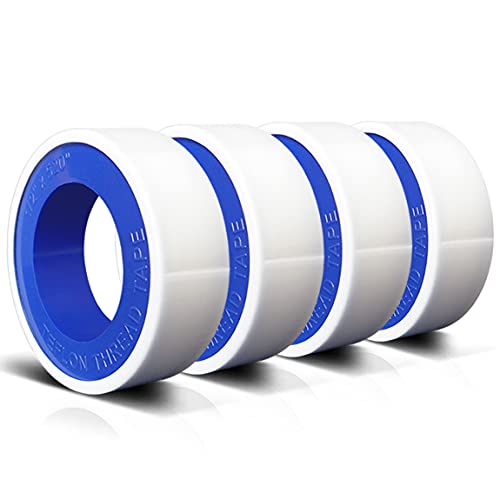 VOTMELL 4 Rolls 1/2 Inch(W) X 520 Inches(L) Teflon Plumbers Tape,Pipe Sealing
Seals threaded water and propane fittings. View on Amazon →
VOTMELL 4 Rolls 1/2 Inch(W) X 520 Inches(L) Teflon Plumbers Tape,Pipe Sealing
Seals threaded water and propane fittings. View on Amazon →
Still need help? Ask an RV Mechanic
Get a personalized answer from a verified RV mechanic. Describe your specific issue and get step-by-step help for your rig.
Related Repair Guides
- Splendide WDC7100XC Drum Bearing Repair & Replacement Guide
- Can You Run an RV Dryer on 30 Amp Shore Power? Complete Guide
- Best RV Thermostatic Shower Mixing Valves 2024 - Installation Guide
- Complete Guide to RV Control Panel Lights and Display Meanings
- Entegra Odyssey 26M Murphy Bed Couch Replacement and Ground Clearance Upgrade
- Installing a Rear Camera on Your Fifth Wheel RV: Complete Guide
- Dometic R31 Stove Review + Gas Pressure Test Guide
- MaxxAir Fan Shuts Off During Shower? Quick Sensor Fix Guide
- Furrion FMCM15-SS Microwave Parts & Repair Guide - Complete Replacement Guide
- How to Calibrate Camplux RV Oven Temperature: Step-by-Step Adjustment Guide
Need More Help?
Try our free RV calculators and tools to help diagnose and plan your repairs.
Browse RV ToolsWeight calculator, electrical planner, propane estimator & more
