Best RV Thermostatic Shower Mixing Valves 2024 - Installation Guide
Read full question
I'm shopping for a thermostatic mixing valve to save myself from daily temperature shock therapy. I keep seeing mechanical models like the Symmons Temptrol and Phoenix PF213200, but honestly have no idea if they're any good. And don't get me started on those fancy digital ones like the Kohler DTV+ - they look amazing but I'm guessing they're about as RV-friendly as a pet elephant.
Anyone know which thermostatic valves actually work well in RVs without requiring me to rewire half my rig or sacrifice my firstborn to the plumbing gods?
Quick Answer
For RV showers, the Symmons Temptrol and Phoenix PF213200 are top mechanical thermostatic mixing valves. Digital models like the Kohler DTV+ require significant electrical modifications that aren't practical for most RV installations.
The Quick Answer
For RV thermostatic mixing valves, I highly recommend mechanical models from established manufacturers - verify the correct part for your model (verify with dealer). Both compact designs are reliable and designed for tight spaces. As for digital models, premium systems from major manufacturers can work in RVs, but they require 120V AC power and significant plumbing modifications. Avoid cheap units from unknown manufacturers - they fail quickly and replacement parts are impossible to find. Stick with established brands like Symmons, Powers, or Watts for reliability on the road.
What's Causing This
You're absolutely right to want a thermostatic mixing valve in your RV. Standard RV shower valves are notorious for temperature fluctuations, especially when the water heater cycles or when someone uses water elsewhere in the coach. This happens because RV plumbing systems have smaller diameter pipes and limited hot water capacity compared to residential systems.
The challenge with digital thermostatic valves in RVs isn't just installation space - it's power requirements and durability. Most digital units are designed for residential 120V constant power and don't handle the vibration and power fluctuations that RVs experience. The good news is that modern mechanical thermostatic valves work exceptionally well and are much more reliable for RV use.
Temperature inconsistency also stems from the fact that many RVs have inadequate mixing valve placement. Installing a quality thermostatic valve near the shower will solve temperature swings, prevent scalding, and actually extend your hot water supply by maintaining consistent mixing ratios.
Tools You'll Need
- Pipe wrenches (10-inch and 12-inch)
- Tubing cutter or hacksaw
- PEX crimping tool and rings (if using PEX connections)
- Teflon tape or pipe thread compound
- Adjustable wrench set
- Drill with hole saw attachment (may need to enlarge access holes)
- Multimeter for testing any electrical connections
- Level for proper valve orientation
Step-by-Step Fix
SAFETY WARNING: Turn off electrical power to water heater and allow system to cool completely before beginning work. Wear safety glasses when cutting pipes. Check local codes and RV manufacturer warranty requirements before modifying plumbing systems.
Planning and Preparation: First, turn off your water pump and drain the system. Locate your hot and cold water lines near the shower - you'll need at least 8 inches of straight run on each line for most thermostatic valves. Check space requirements for your specific valve model.
- Cut into the hot and cold water lines approximately 12 inches before they reach the existing shower valve
- Install the thermostatic mixing valve according to manufacturer specs - inlet temperature should be set according to manufacturer specifications and maximum temperature stop should be set to prevent scalding
- Connect the mixed water output to feed your existing shower valve's hot water input
- Connect the cold water line directly to the shower valve's cold input
- Test all connections for leaks before closing up walls
- Calibrate the thermostatic valve by adjusting the temperature control according to manufacturer specifications while monitoring output temperature with a thermometer
For Digital Options: If you're determined to go digital, premium systems can work but require running 120V AC power from your RV's electrical panel or installing appropriate DC to AC inverters (verify voltage requirements with manufacturer). You'll also need manufacturer's app for setup. Installation time jumps from 2-3 hours for mechanical to 6-8 hours for digital due to the electrical work required.
When to Call a Pro
Call a professional if you discover your RV has unusual plumbing configurations, such as a recirculating hot water system or if the hot and cold lines are buried deep within structural elements where access requires major disassembly. Some higher-end RVs have complex plumbing manifolds that require special tools and knowledge to modify safely.
Also consider professional installation if you're not comfortable with the electrical work required for digital systems. SAFETY WARNING: Improper 12V electrical connections in RVs can create fire hazards, and the wiring must be done to RVIA standards. A qualified RV technician can also help you determine if your water heater and pump system can handle the flow requirements of your chosen thermostatic valve, and verify that your water pressure is compatible with both the valve and RV plumbing system - some smaller RV systems may need upgrades to work properly with high-flow mixing valves.
Tools & Supplies You'll Need
 HORUSDY 4 Pack Heavy Duty Pipe Wrench Set, Adjustable 8" 10" 12" 14" Soft
Grips round pipe and large plumbing fittings. View on Amazon →
HORUSDY 4 Pack Heavy Duty Pipe Wrench Set, Adjustable 8" 10" 12" 14" Soft
Grips round pipe and large plumbing fittings. View on Amazon →
 Amartisan 10-Piece Magnetic Screwdrivers Set, 5 Phillips and 5 Slotted Tips
Phillips, flat, and Torx tips for panels, trim, and appliances. View on Amazon →
Amartisan 10-Piece Magnetic Screwdrivers Set, 5 Phillips and 5 Slotted Tips
Phillips, flat, and Torx tips for panels, trim, and appliances. View on Amazon →
 2pcs 6 inch Torpedo Level Magnetic Box Level with 180 90 45 Degree Bubble
Levels the rig, fridge, and installs. View on Amazon →
2pcs 6 inch Torpedo Level Magnetic Box Level with 180 90 45 Degree Bubble
Levels the rig, fridge, and installs. View on Amazon →
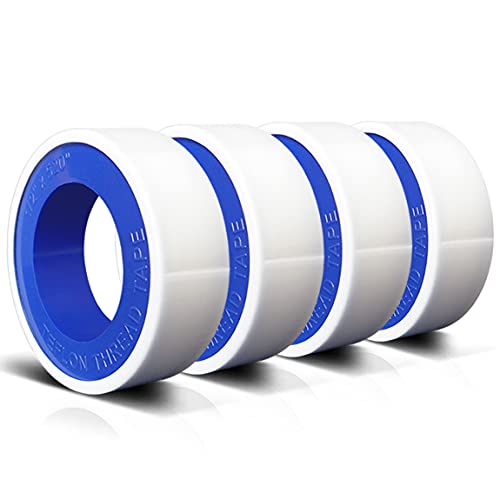 VOTMELL 4 Rolls 1/2 Inch(W) X 520 Inches(L) Teflon Plumbers Tape,Pipe Sealing
Seals threaded water and propane fittings. View on Amazon →
VOTMELL 4 Rolls 1/2 Inch(W) X 520 Inches(L) Teflon Plumbers Tape,Pipe Sealing
Seals threaded water and propane fittings. View on Amazon →
Still need help? Ask an RV Mechanic
Get a personalized answer from a verified RV mechanic. Describe your specific issue and get step-by-step help for your rig.
Related Repair Guides
- Splendide WDC7100XC Drum Bearing Repair & Replacement Guide
- Can You Run an RV Dryer on 30 Amp Shore Power? Complete Guide
- Complete Guide to RV Control Panel Lights and Display Meanings
- RV Water Heater Not Hot Enough: Fix Lukewarm Water Issues
- Entegra Odyssey 26M Murphy Bed Couch Replacement and Ground Clearance Upgrade
- Installing a Rear Camera on Your Fifth Wheel RV: Complete Guide
- Dometic R31 Stove Review + Gas Pressure Test Guide
- MaxxAir Fan Shuts Off During Shower? Quick Sensor Fix Guide
- Furrion FMCM15-SS Microwave Parts & Repair Guide - Complete Replacement Guide
- How to Calibrate Camplux RV Oven Temperature: Step-by-Step Adjustment Guide
Need More Help?
Try our free RV calculators and tools to help diagnose and plan your repairs.
Browse RV ToolsWeight calculator, electrical planner, propane estimator & more
