RV Air System Leak: Front Tank Losing Pressure Solutions
Read full question
What's really puzzling me is after I shut down, I can hear this weird gurgling or burping sound coming from the front secondary tank until the system loses pressure. But here's the strange part - even though it's the front tank losing pressure, the rear of the coach sags way faster than the front after shutdown. I've meticulously sprayed soapy water at least 3 times on every fitting, valve, and connection I can reach around both the front tanks and rear bags, but I can't spot any visible leaks anywhere. Could really use some guidance on what I might be missing here.
Thanks,
Jon
Quick Answer
Your symptoms point to a leak in the rear air bag system or cross-plumbing between tanks. The gurgling sound and faster rear sag indicate air transferring from front to rear tank through a compromised component.
What You'll Need
- Spray bottle with soapy water solution
- Small mirror or inspection camera
- Flashlight or headlamp
- Air pressure gauge
- Creeper or crawling pad
- Assistant to operate controls
Advanced Diagnostic Steps
Safety Warning: Always depressurize air systems completely before disconnecting any fittings or performing detailed inspections. Compressed air under pressure can cause serious injury.
- Test the cross-connect theory: With your RV leveled and bags inflated, close any isolation valves between your front and rear air systems if equipped (note that most RV air systems do not have these isolation valves, making this test impossible on many systems). If isolation valves are present and pressure loss stops when closed, you've confirmed the leak is in the rear system.
- Focus on rear bag connections: Even though you've sprayed before, concentrate on the air line connections at each rear bag. Look for soap bubbles at fittings, especially where lines connect to the bags themselves and at any quick-connect fittings.
- Check the bag fabric: Inspect the rear air bags for pinhole leaks in the rubber. These can be nearly invisible but will show bubbles when sprayed. Pay special attention to areas where the bags contact frame members or suspension components.
- Examine height control valves: Your rear height control valves may be sticking or leaking internally. With the system pressurized and bags up, spray all connections and the valve body itself.
- Test individual bag circuits: If your system allows, isolate each rear bag individually and test which circuit is losing pressure.
Why This Pattern Occurs
Your symptom pattern is classic for a rear air bag system leak with cross-connected tanks. Here's what's happening: When your bags are inflated and the RV is level, air flows from your front tank through the system to maintain rear bag pressure. The leak in your rear system creates a continuous drain that the front tank tries to compensate for.
The gurgling sound you hear is air transferring from the high-pressure front tank to the lower-pressure rear system. When you dump the bags or support the rear with jacks, this pressure differential disappears, stopping the air transfer and the leak symptoms.
The faster rear sag after shutdown confirms this theory - residual air pressure in the rear bags is escaping faster than normal air bleed-down, indicating a leak in that system.
Hidden Leak Locations
Since you've thoroughly checked obvious locations, focus on these often-missed spots:
- Inside frame rails: Air lines running inside chassis frame rails can develop leaks that are nearly impossible to see without removing panels
- Height sensor linkages: Worn bushings or loose connections in height sensor arms can cause control valve malfunctions
- Manifold blocks: Internal passages in manifold blocks can develop cracks, especially in older systems
- Tank drain valves: Automatic or manual tank drain valves can stick partially open
- Behind panels: Fittings hidden behind access panels or interior cabinetry
Testing Without Soapy Water
If soap spray isn't revealing the leak, try these methods:
- Listen carefully: Use a mechanic's stethoscope or even a screwdriver as a listening device against fittings and lines
- Pressure test sections: If possible, isolate sections of your rear air system and pressure test individually
- Temperature method: Expanding air through a leak may feel cooler to the touch. Carefully feel along lines and fittings for temperature differences, though note this method can be unreliable and should be used as a supplement to other detection methods, not as a primary diagnostic tool.
Common System Brands and Issues
Different leveling systems have known problem areas:
HWH systems: Often develop leaks at the quick-connect fittings on the bags themselves. The plastic fittings can crack over time.
Bigfoot systems: Check the manifold blocks mounted near the bags - internal O-rings can fail.
Lippert systems: Height control valves are a common failure point, especially the rear valves that work harder.
When to Call a Professional
Consider professional help if:
- You cannot safely access suspected leak areas
- The leak appears to be in complex multi-component air systems
- You're uncomfortable working with pressurized air systems
- The leak seems to be internal to major components like pumps or manifolds
- You've found the leak but lack proper tools for repair
Safety warning: Always depressurize air systems before disconnecting any fittings. Compressed air can cause serious injury.
Prevention Tips
To prevent future air leaks:
- Inspect air lines regularly for abrasion against frame members
- Keep air bags clean and inspect for cuts or punctures
- Maintain proper air pressure - over-pressurization stresses components
- Exercise your leveling system regularly to keep valves working smoothly
- Replace air desiccant filters annually to prevent moisture damage
- Store with bags partially inflated to prevent rubber deterioration
Next Steps
Start with isolating your front and rear air systems if possible - this will confirm whether the leak is in the rear circuit. Then systematically check each rear bag and its associated fittings. Given your thorough previous inspection, the leak is likely in a hidden location or is very small, requiring close examination of each component in the rear air system.
Tools & Supplies You'll Need
 Flashlights High Lumens Rechargeable, 100,000LM LED Super Bright Flash Light
Bright rechargeable light for bays and undercarriage. View on Amazon →
Flashlights High Lumens Rechargeable, 100,000LM LED Super Bright Flash Light
Bright rechargeable light for bays and undercarriage. View on Amazon →
 Endoscope Camera with Light: 5" 1080P HD Dual-Lens Inspection Borescope
Snakes a camera into walls, tanks, and ducts. View on Amazon →
Endoscope Camera with Light: 5" 1080P HD Dual-Lens Inspection Borescope
Snakes a camera into walls, tanks, and ducts. View on Amazon →
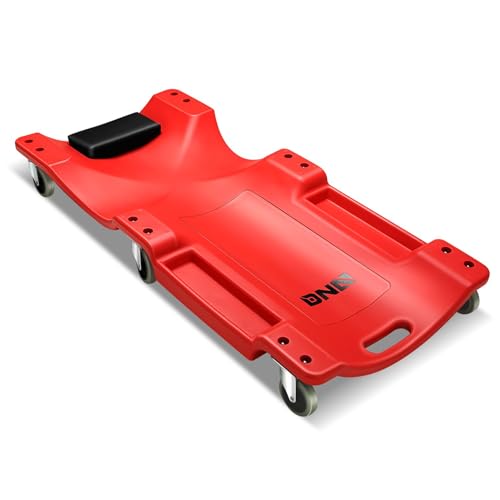 DNA MOTORING 40 Inch Mechanic Creeper, Blow Molded Low Profile Rolling Garage
Roll under the rig for undercarriage access. View on Amazon →
DNA MOTORING 40 Inch Mechanic Creeper, Blow Molded Low Profile Rolling Garage
Roll under the rig for undercarriage access. View on Amazon →
Still need help? Ask an RV Mechanic
Get a personalized answer from a verified RV mechanic. Describe your specific issue and get step-by-step help for your rig.
Related Repair Guides
- Ford E-Series (E350/E450) RV Chassis: Complete Guide
- Ford F53 Chassis Complete Guide: Maintenance & Troubleshooting
- RV Flat Tire on Highway: Emergency Steps & Specialized Roadside Service Tips
- Ford E350 Dually Wheel Center Hole Size Guide: Front vs Rear Differences Explained
- RV Tires & Wheels: Complete Maintenance & Safety Guide
- Ford F53 Harsh Ride Fix: Shocks, Springs & Sway Bars
- Dutchstar Chassis Cracking Noise: Diagnosis & Repair Guide
- 2003 Ford F53 Wheel Bearing Grease: Best Products
- F53 Hydroboost Brake System Problems: Complete Repair & Troubleshooting Guide
- Which Dually Tire for RV Leveling Blocks? Inner vs Outer
Need More Help?
Try our free RV calculators and tools to help diagnose and plan your repairs.
Browse RV ToolsWeight calculator, electrical planner, propane estimator & more
