RV Electrical & Battery Systems: Complete Guide
Master your RV electrical system from house batteries to shore power. Covers 12V DC, 120V AC, inverters, and charging.
Protect your RV from freeze damage with this comprehensive winterization and de-winterization guide.
Dual purpose lithium batteries work for coach use but dedicated deep cycle lithium is better for house banks. Dual purpose compromises between starting and cycling. For RV house batteries, deep cycle LiFePO4 provides better value and cycle life.
Essential guide for Ford E-Series Class C motorhome chassis covering suspension, maintenance, and common issues.
LiFePO4 lithium batteries like the Dyness can replace lead acid batteries, but you'll likely need to upgrade your converter/charger to a lithium-compatible model. The BMS protects the battery from overcharging and provides longer life with faster charging.
Install low voltage disconnect relay in line feeding Ecoflow alternator charger. Victron Battery Protect or similar cuts power at set voltage. Set disconnect at 12.8V for LiFePO4 to stop at about 20% remaining capacity.
Yes, you need a DC-DC charger to safely charge your lithium battery from your truck's alternator. Installing one between your truck's charge line and battery will prevent alternator damage and provide optimal lithium charging.
Protect alternator from lithium battery high current draw using DC-DC charger for current limiting or temperature-controlled relay. DC-DC charger is best solution. Direct connection without protection risks alternator failure.
Your Ford E350 Class C likely has a factory-installed charge isolator or solenoid limiting current to 20 amps to protect the original lead-acid batteries. This is normal behavior and adding a DC-DC charger was the right solution for lithium batteries.
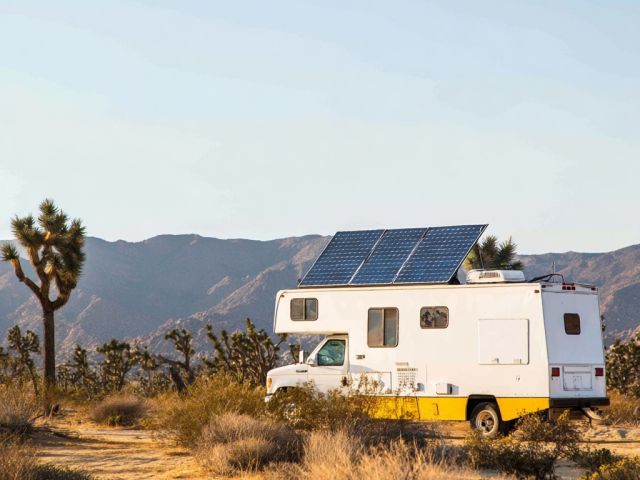
Check LiFePO4 at rest - 13.2-13.4V is full. Clean panels, check all connections for corrosion, verify charge controller is set for lithium. 2150W solar should charge easily if system is working.
Sawtooth patterns in Victron MPPT readings are often normal during float charging. The controller pulses current to maintain voltage. Check if battery is charging properly - if so, patterns are normal.
Storage temp spec may be more lenient than charging temp - verify with your battery docs. Most LiFePO4 stores fine below zero. Options are indoor storage at 50% SOC or leaving in RV with heating pad. Main concern is charging temp not storage.
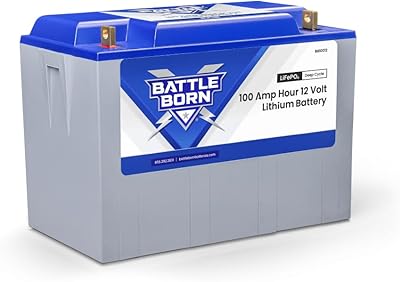
Use lithium-compatible 24V or 36V marine charger for trolling motor batteries. MPPT solar controller required for solar charging. Never use lead-acid chargers. Quality BMS lithiums like Battleborn recommended.
Convert to LiFePO4 by verifying converter charges at 14.2-14.6V, setting solar controller to lithium profile, and checking inverter cutoff settings. Built-in BMS handles cell protection.
The 2017 Ford E450 has a 175-220 amp alternator depending on configuration. For DC to DC charging of LiFePO4 batteries, size your charger at 30-50% of alternator rating, typically 40-60 amps.