RV Electrical & Battery Systems: Complete Guide
Master your RV electrical system from house batteries to shore power. Covers 12V DC, 120V AC, inverters, and charging.
When your RV converter runs but won't charge batteries, the issue is usually a faulty converter charging section, blown fuse, or bad battery connections. Start by checking the DC fuses and testing voltage output from the converter.
Dual purpose lithium batteries work for coach use but dedicated deep cycle lithium is better for house banks. Dual purpose compromises between starting and cycling. For RV house batteries, deep cycle LiFePO4 provides better value and cycle life.
Yes, you can remove inverter/charger and install standalone battery charger. Much less expensive than replacement inverter. Check if inverter includes transfer switch - you may need to address that. IOTA or Progressive Dynamics chargers work well.
Your Progressive Dynamics converter needs either a lithium-compatible charge wizard upgrade (PD9160ALV) or complete replacement with a modern lithium-capable charger like the AIMS or Progressive Dynamics PD9200 series.
Low amp charging from solar panels is typically caused by loose connections, incorrect controller settings, or battery issues rather than a bad controller. Start by checking all wiring connections and battery voltage before replacing the charge controller.
LiFePO4 lithium batteries like the Dyness can replace lead acid batteries, but you'll likely need to upgrade your converter/charger to a lithium-compatible model. The BMS protects the battery from overcharging and provides longer life with faster charging.
The front leaf springs on 2017-2021 F53 chassis are identical in configuration and mounting points. Your Air Lift kit from the 2017 Winnebago should work on the 2021 Holiday Rambler Invicta since both use the same F53 chassis specifications.
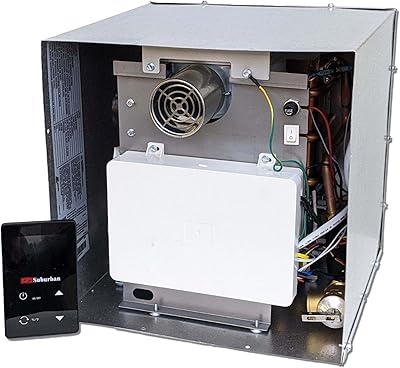
When a Suburban RV furnace only works on battery power but fails to heat on shore power, the issue is typically a converter providing incorrect voltage (13.8V+ instead of 12V) to the control board. The solution involves checking voltage levels and potentially adjusting or replacing the converter.
RV batteries draining overnight typically indicate a parasitic drain from components staying powered when they shouldn't. Use a multimeter to test each circuit systematically, starting with the main disconnect and working through individual fuses to isolate the problem circuit.
The Magnum MS 2812 is only a 30A charger, not 50A, despite being a quality unit. For true 50A charging, consider the Progressive Dynamics PD9260C or Aims 3000W units under $1000, or bite the bullet on a higher-end Victron or Magnum 50A model.
Generator charges through converter, not directly. Low charge rate may be converter not lithium-compatible, batteries already high SOC, or loads drawing while charging. Check converter model for lithium settings. Turn off loads to see true charge rate.
Your 30 amp generator will power any RV converter charger. For lithium, get charger with proper LiFePO4 profile. Progressive Dynamics, IOTA with IQ-Lifepo4, or Victron all work well. Match amp rating to battery bank capacity.
When AGM batteries won't fully charge after voltage fluctuations, the most likely culprits are a damaged converter/charger, faulty charge controller, or sulfated batteries. Test your charging system voltage output and battery condition to identify the root cause.
For Grand Design TT's prewired inverter loop with 10/2 Romex, top 2000W pure sine wave inverters include Victron MultiPlus, AIMS Power, and Go Power models. Choose internal ATS for simplicity or external for flexibility.