RV Electrical & Battery Systems: Complete Guide
Master your RV electrical system from house batteries to shore power. Covers 12V DC, 120V AC, inverters, and charging.
The Samsung RF18 at 24.5" width with doors removed should fit through your Bounder 35E door opening that's slightly larger than 24.5". However, precise measurement and careful planning are essential for successful installation.
Extra pedestal outlets may share breaker with your 50A - check before heavy use. Electric tankless heaters need more power than 20A outlets provide. Use for small appliances only.
For 50-amp RVs, invest in a quality surge protector like Progressive Industries EMS-HW50C (hardwired) or EMS-PT50X (portable). Hardwired units prevent theft and provide superior protection, while portable units offer flexibility but require security measures.
Red fault light with partial power loss often indicates tripped breaker, one leg of 50 amp service failed, or GFCI trip. Check all breakers in main panel and find hidden GFCI outlets. May indicate transfer switch issue if breakers are fine.
Yes, RV Fisher and Paykel drawer dishwashers can typically be replaced with residential versions of the same model. Verify cabinet opening dimensions, water connections, and electrical match. Installation is straightforward swap in most cases.
Everything you need to know about RV plumbing systems from fresh water supply to waste management.
A disconnected ground wire in your transfer switch box is a serious safety issue that should be immediately reconnected to the ground bus bar. This appears to be a factory wiring oversight rather than an intentional configuration.
Weatherproof covers for surge protectors available from TRC, Camco, and general electrical supply. Use in-use style covers that allow cord exit while protecting from rain and sun.
Your 15W drain on the galley circuit is most likely caused by a hidden RV converter/charger, power distribution panel, or control board that's on the galley circuit. Even with appliances off, these background systems can draw significant power when the aux switch is on.
Your RV sewer hose will likely freeze at 25°F, especially with the uphill section that creates standing water. The two-inch rise at your hookup point is particularly vulnerable to freezing.
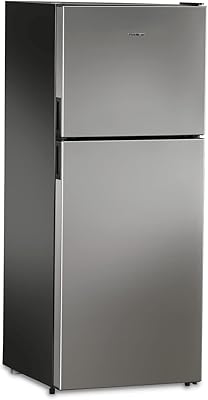
A 30-minute cycle time for your Whirlpool residential refrigerator in an RV at 65°F ambient temperature is slightly more frequent than ideal but not necessarily problematic. Normal cycle times range from 35-60 minutes depending on ambient temperature, door openings, and refrigerator load.
When your RV has no power despite being plugged into a working campground pedestal, the issue is typically a bad shore power cord, faulty transfer switch, or tripped main breaker inside the RV's electrical panel.
Storage temp spec may be more lenient than charging temp - verify with your battery docs. Most LiFePO4 stores fine below zero. Options are indoor storage at 50% SOC or leaving in RV with heating pad. Main concern is charging temp not storage.
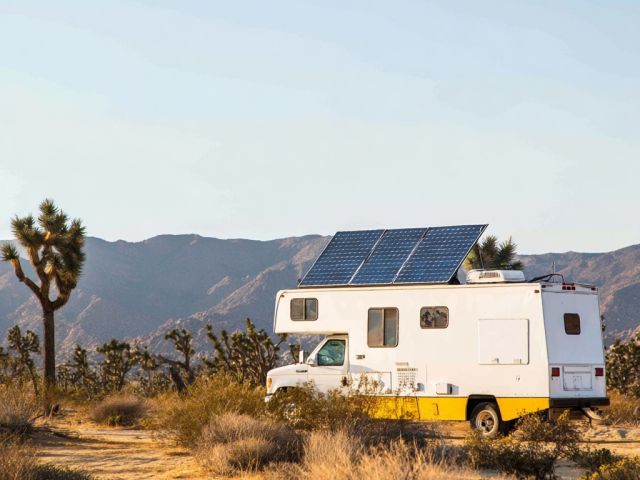
Your Class A RV tripping the GFCI every couple days, especially on hot days, is likely caused by your solar inverter developing ground faults as it heats up, though a failing battery could also contribute to the issue.