Ford E-Series (E350/E450) RV Chassis: Complete Guide
Essential guide for Ford E-Series Class C motorhome chassis covering suspension, maintenance, and common issues.
Master your RV electrical system from house batteries to shore power. Covers 12V DC, 120V AC, inverters, and charging.
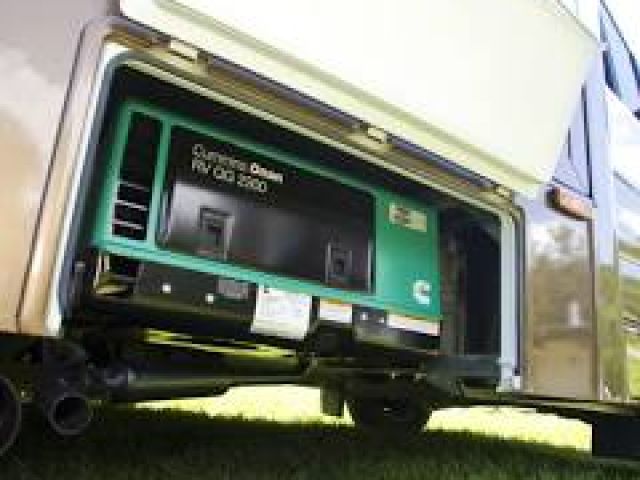
Keep your RV generator running reliably with this comprehensive maintenance and troubleshooting guide for Onan, Generac, and Cummins units.
Protect alternator from lithium battery high current draw using DC-DC charger for current limiting or temperature-controlled relay. DC-DC charger is best solution. Direct connection without protection risks alternator failure.
Fix your RV refrigerator with this guide covering Dometic, Norcold, and residential fridge issues.
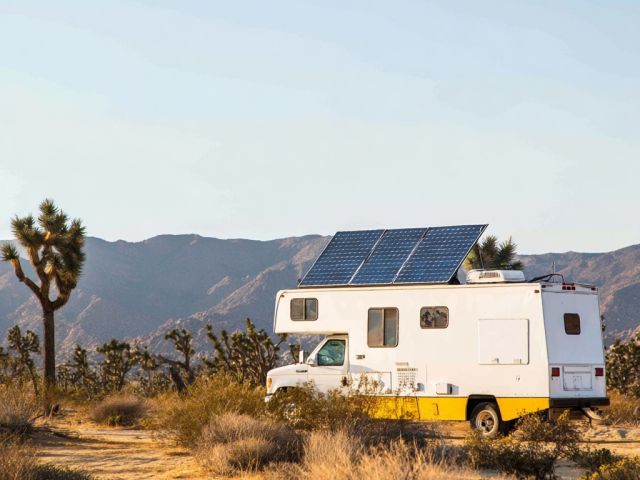
Most RV solar systems range from 200-800 watts using 12V panels wired in parallel with PWM or MPPT controllers. Wire gauge depends on amperage and distance, with 10-12 AWG typical for most installations.
Your 30 amp generator will power any RV converter charger. For lithium, get charger with proper LiFePO4 profile. Progressive Dynamics, IOTA with IQ-Lifepo4, or Victron all work well. Match amp rating to battery bank capacity.
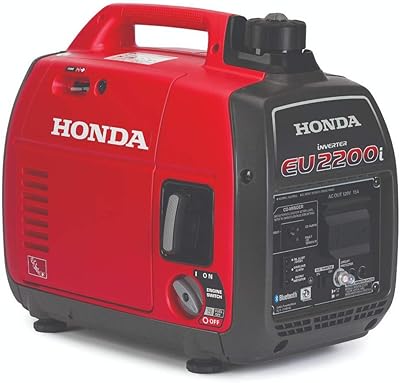
Honda 2200 easily powers RV converter for charging 330Ah battery bank. Generator supplies 1800W continuous; converter typically draws 800W or less. Full charge from 50% takes 4-6 hours depending on converter amp rating and battery chemistry.
A 30-minute cycle time for your Whirlpool residential refrigerator in an RV at 65°F ambient temperature is slightly more frequent than ideal but not necessarily problematic. Normal cycle times range from 35-60 minutes depending on ambient temperature, door openings, and refrigerator load.
Yes, you can use a spare DC/DC charger to maintain chassis batteries during winter storage by connecting it between your solar-charged house batteries and chassis batteries. This creates an effective battery maintenance system for long-term parking.
For 1800W toaster oven, need 2300W+ running watt generator at 80% capacity. Battery alternative requires 400Ah lithium with 3000W inverter. Most practical: hybrid approach with 200Ah battery for essentials and small generator for cooking.
Yes, high-output alternators can be installed on your F53/Triton V10, but you'll need to upgrade wiring and possibly the serpentine belt system. The Tucson unit you found is a solid choice for your large inverter battery bank needs.
12V fridges draw 3-6 amps and your tow vehicle should provide enough charging through 7-way connector. Check voltage at trailer while towing - should see 13.5V+ if charging properly.
Install low voltage disconnect relay in line feeding Ecoflow alternator charger. Victron Battery Protect or similar cuts power at set voltage. Set disconnect at 12.8V for LiFePO4 to stop at about 20% remaining capacity.
For three 400W panels (1200W total), you'll need an 80-100 amp MPPT controller. Calculate by dividing total wattage by battery voltage, then add 25% safety margin.