RV Winterization: Complete Step-by-Step Guide
Protect your RV from freeze damage with this comprehensive winterization and de-winterization guide.
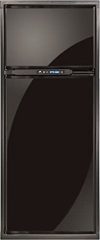
Fix your RV refrigerator with this guide covering Dometic, Norcold, and residential fridge issues.
A strong ammonia smell from your RV refrigerator indicates a serious refrigerant leak in the cooling system. Stop using the refrigerator immediately and ensure proper ventilation, as this poses health and safety risks.
Your Norcold absorption fridge shows classic signs of cooling unit inefficiency - warm freezer (0-5°F vs ideal -5 to 0°F) and cold refrigerator (30-35°F vs ideal 35-38°F). This typically indicates failing cooling coils or poor heat exchange that requires professional repair or replacement.
When your Everchill 12V refrigerator's freezer works but the fridge compartment doesn't cool, it's typically caused by a faulty damper control, blocked air circulation, or temperature sensor issue. Start by checking the damper door between compartments and verifying proper airflow.
Replacing your power-hungry 3-way absorption fridge with a 12V compressor fridge like the Dometic DMC4101 can reduce power consumption by 70-80%, typically using 60-80 watts instead of 250-300 watts continuously.
When your Dometic RV fridge ignites perfectly on AUTO but fails when manually switched to gas mode, the issue is typically a faulty ignition control module or loose wiring connections. The control board may be sending conflicting signals between manual and automatic operation modes.
Norcold fire hazard comes from boiler tube overheating. Verify recall thermal switch is installed, consider ARP control kit for added protection, and never run off-level.
For the Jamboree fridge, check LP gas flow, burner for debris, and 12V power. Ford 460 EFI conversion costs more than the RV is worth - maintain the carburetor instead.
Your RV absorption fridge's intermittent cooling is likely caused by a failing cooling unit, blocked thermistor, or control board issues. Check the thermistor connections first, then test the control board before considering cooling unit replacement.
Yes, you need a DC-DC charger to safely charge your lithium battery from your truck's alternator. Installing one between your truck's charge line and battery will prevent alternator damage and provide optimal lithium charging.
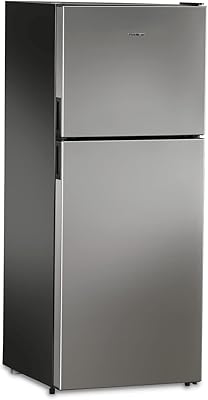
Small residential fridges have poor reviews in RVs due to vibration and off-level issues. Consider RV-specific residential-style fridges from Furrion or Everchill instead. If going residential, choose quality brands and plan for power requirements and proper securing.
12V fridges draw 3-6 amps and your tow vehicle should provide enough charging through 7-way connector. Check voltage at trailer while towing - should see 13.5V+ if charging properly.
Your 15W drain on the galley circuit is most likely caused by a hidden RV converter/charger, power distribution panel, or control board that's on the galley circuit. Even with appliances off, these background systems can draw significant power when the aux switch is on.
Running generator twice daily for residential fridge in Phoenix heat is normal, not battery failure. Residential fridges use 1.5-3 kWh daily in heat, exceeding typical AGM bank capacity. Your April 2024 batteries are still new - this is expected usage.