Remote RV Diesel Fueling: Complete Guide for Campground Fuel Strategies
Tips for fueling diesel RVs at remote campgrounds. Covers planning, finding fuel, pump limitations, and emergency fuel strategies.
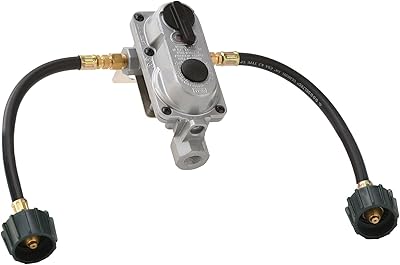
Your 2000 Safari Sahar likely has an ACME fitting on the LPG tank that allows for transfer from portable tanks. However, liquid-to-liquid transfer requires specific equipment and safety precautions since you'll be dealing with a permanently mounted tank system.
Fix LP gas detector false alarms in RVs. Covers trigger sources, sensor age, proper placement, and when to replace your propane detector.
Hard starting often fuel pressure bleed-down from check valve or injector. Test by cycling key to build pressure. Use gauge for definitive diagnosis.
Rear brake lights and hazards out often common ground or connector issue. Check grounds at rear lights and chassis-coach junction.
The ignition relay on a 1988 Ford E350 (Fleetwood Tioga base) is typically located in the engine bay fuse/relay box on the driver's side firewall, or in a separate relay box near the battery. Some models may have it mounted on the firewall or inner fender well.
Turbocharging V10 is technically possible but impractical. Cost of $10-20K+, risk of engine damage, and complexity make it poor value. Better to buy a diesel pusher.
Most RV heat pumps draw 12-16 amps when running, well within your 30-amp service capacity. However, you'll need to manage other electrical loads to avoid tripping breakers when the heat pump cycles on.
The Dometic R31 is a solid upgrade from older units like the Wedgewood Vision, with reliable oven performance. The pressure test requires a 0-15 PSI gauge connected to the regulator test port to verify 11" WC gas pressure.
Essential guide for Ford E-Series Class C motorhome chassis covering suspension, maintenance, and common issues.
The Ford F53 V10 comes with a 195°F thermostat from the factory, but many RV owners successfully run 180°F thermostats for better cooling under heavy loads. The 5.4L and 6.8L V10 use different thermostat housings, so parts aren't interchangeable.
Repeated fuel pump failures in Ford F53 motorhome chassis are often caused by electrical issues, contaminated fuel, or improper storage practices. The key is diagnosing the root cause rather than just replacing pumps.
A Ford F53 V10 that cranks but won't start with cam sensor faults typically indicates wiring harness issues, timing chain problems, or PCM communication failures. Focus on checking the cam sensor wiring circuit and timing synchronization between crank and cam sensors.
For F53 chassis wheel bearing service, contact Ford dealerships or heavy-duty truck shops since Camping World doesn't service motorhome chassis. Your beeping propane detector likely needs replacement, and the slides are interlocked with the LP detector for safety.
P0420 with surging often indicates exhaust leak affecting O2 readings. You replaced one manifold gasket - check the other side. V10s commonly have issues with both manifolds.