RV Electrical & Battery Systems: Complete Guide
Master your RV electrical system from house batteries to shore power. Covers 12V DC, 120V AC, inverters, and charging.
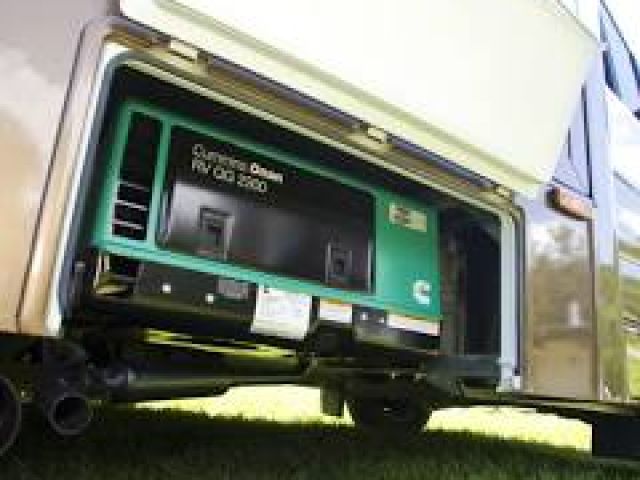
Keep your RV generator running reliably with this comprehensive maintenance and troubleshooting guide for Onan, Generac, and Cummins units.
Fix your RV refrigerator with this guide covering Dometic, Norcold, and residential fridge issues.
While there's no direct plug-and-play replacement for the Atwood GC10A-4E with a gas-only tankless unit, you can upgrade to dual-fuel tankless heaters like the Girard GSWH-2 or Truma AquaGo. These maintain electric capability while providing instant hot water and better efficiency.
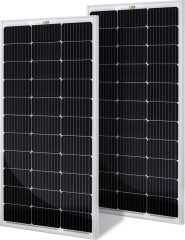
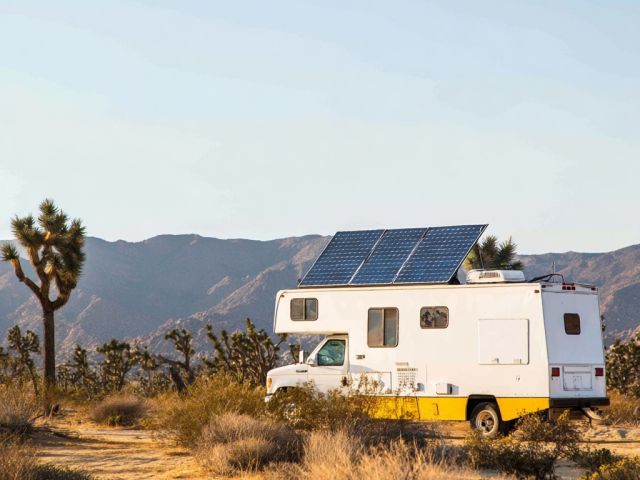
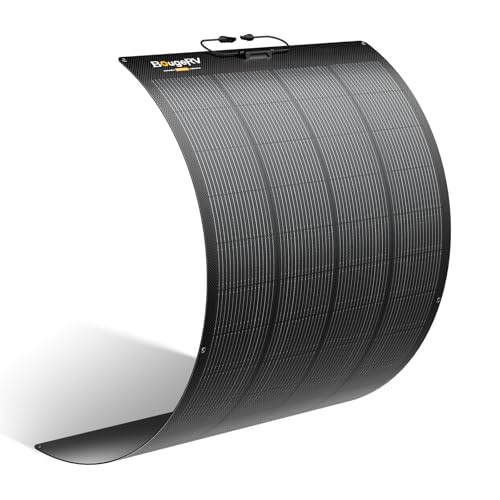
Ekko with 640Ah lithium and 450W solar can boondock 3-5 days easily, indefinitely in good sun. Monitor usage, charge devices during peak solar hours, and use propane for cooking.
Use DC to DC charger for alternator charging of lithium batteries, not direct connection. Victron Orion or similar limits current and protects the alternator from overcurrent damage.
Check LiFePO4 at rest - 13.2-13.4V is full. Clean panels, check all connections for corrosion, verify charge controller is set for lithium. 2150W solar should charge easily if system is working.
Dealer AGM battery installation typically costs 600-1000 total. Batteries are 300-600 for quality pair, labor 125-350, and additional parts 50-150. Much better value than 6000 factory lithium option, especially for cold weather use.
Replace failing N3150 with NovaKool R4500 compressor for better heat performance or Norcold N3141 for absorption drop-in. NovaKool better for boondocking with solar, absorption for propane versatility.
RV dual indicators typically show paired readings like fresh vs gray water levels, house vs chassis battery, or current vs set temperature. Check your RV manual or panel manufacturer for specific meanings.
For 1800W toaster oven, need 2300W+ running watt generator at 80% capacity. Battery alternative requires 400Ah lithium with 3000W inverter. Most practical: hybrid approach with 200Ah battery for essentials and small generator for cooking.
The 120VAC Dutch Aire conversion is typically the best option for most RV owners with shore power availability, offering better efficiency and fewer electrical upgrades. The 12VDC option requires significant battery capacity and may strain your existing charging system.
The Dometic Fresh Jet 5 is significantly quieter than the Penguin 2 (about 6-8 dB reduction) and draws similar amps (13-14A). While largely plug-and-play, some wiring modifications may be needed depending on your specific setup.
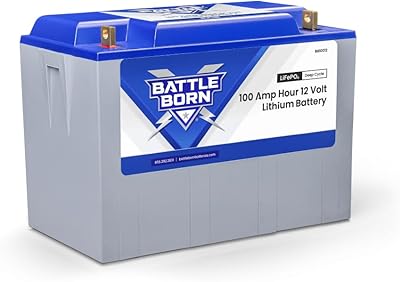
Dual purpose lithium batteries work for coach use but dedicated deep cycle lithium is better for house banks. Dual purpose compromises between starting and cycling. For RV house batteries, deep cycle LiFePO4 provides better value and cycle life.
Yes, high-output alternators can be installed on your F53/Triton V10, but you'll need to upgrade wiring and possibly the serpentine belt system. The Tucson unit you found is a solid choice for your large inverter battery bank needs.