RV Window Seal Leaking: Complete Repair Guide & Solutions
Read full question
I'm torn between two approaches here: should I take the time to completely remove the old seals and put in new butyl tape/rubber sealing, or can I just run some caulk over the existing stuff and call it good? Looking for the best long-term fix that'll actually keep me dry!
Quick Answer
When RV window seals are dried out and leaking, replacement is usually better than caulking over old seals. Remove the old seal completely, clean thoroughly, and install new butyl tape or rubber seal for a lasting watertight repair.
Bottom Line Up Front
Since your rubber seal looks dried out and you're getting water intrusion around the window frame during rain, you'll need to replace the entire seal rather than just applying caulk over it. Dried-out seals have lost their elasticity and ability to create a proper weatherproof barrier, and caulking over deteriorated rubber is only a temporary band-aid that will fail within months. The proper fix involves removing the old seal, cleaning the surfaces thoroughly, and installing a new butyl tape or rubber seal system designed for your specific RV window type.
Most RV windows use either a butyl tape seal system or molded rubber gaskets, and the replacement process typically takes 2-4 hours depending on your experience level and window size. You'll spend between $15-40 on materials including new butyl tape, sealant, and cleaning supplies (rough ballpark — actual cost varies by region, brand, and model year, and changes over time, so get current quotes). While this might seem like more work than a quick caulk job, doing it right the first time will give you years of leak-free performance versus the recurring headache of temporary fixes.
Root Causes
Your dried-out rubber seal is experiencing what every RV owner eventually faces - the breakdown of sealing materials due to constant UV exposure, temperature cycling, and age. RV window seals are subjected to extreme conditions that would challenge any material: scorching summer heat that can reach temperatures exceeding 150°F on RV roofs, freezing winter temperatures, intense UV radiation at high altitudes, and constant vibration from road travel.
The water intrusion you're seeing around the window frame indicates the seal has lost its ability to maintain consistent pressure against the window and frame surfaces. When rubber seals dry out, they shrink and become brittle, creating gaps that allow water penetration. This is particularly problematic because RV windows are typically installed from the outside with the seal creating the primary water barrier.
Several factors accelerate seal deterioration in RVs:
- UV degradation: Constant sun exposure breaks down rubber compounds, causing them to lose flexibility and crack
- Temperature cycling: Daily heating and cooling causes expansion and contraction that fatigues the seal material
- Improper installation: If the original seal wasn't properly compressed or positioned, it creates stress points that fail prematurely
- Chemical exposure: Cleaning products, especially those containing petroleum distillates, can break down rubber seals over time
- Age and mileage: Road vibration and general aging cause all RV seals to deteriorate, typically requiring replacement every 5-10 years
The location of your leak around the window frame suggests the primary seal between the window flange and the RV wall has failed. This is different from minor leaks at the corners or along the window trim, which might be addressable with targeted caulking. When water is coming in around the entire frame perimeter, the main weatherproofing system has compromised and needs complete replacement.
Before You Start
SAFETY WARNING: This repair requires working at heights on ladders or scaffolding. Always use a sturdy, properly positioned ladder with someone spotting you. Ensure the ladder is on level, solid ground and follow the 4-to-1 rule (for every 4 feet of ladder height, the base should be 1 foot from the wall). Never work alone and avoid windy conditions.
Before beginning any window seal repair, you need to identify your specific window type and sealing system. RV windows typically fall into three categories: flush-mount windows sealed with butyl tape, flanged windows with molded gaskets, or older windows with combination seal systems. Look for manufacturer markings on your window frame - common brands include Atwood, Dometic, Lippert, and Hehr.
Gather these essential tools and materials:
- New sealing materials: 1/4-inch or 3/8-inch butyl tape (most common), or manufacturer-specific gasket set
- Cleaning supplies: Denatured alcohol, plastic scrapers, clean rags, and mineral spirits for adhesive removal
- Installation tools: Putty knife, roller or smoothing tool, utility knife with fresh blades
- Safety equipment: Safety glasses, work gloves, and sturdy ladder or scaffolding for exterior access
- Weather considerations: Plan for 24-48 hours of dry weather to allow proper curing
Critical preparation steps include documenting your current installation with photos before disassembly. Take pictures from multiple angles showing how the trim pieces fit together and the seal configuration. This documentation is invaluable when reassembling everything correctly. Also, check inside your RV for any signs of water damage around the window opening - brown stains, soft spots in the wall, or mold growth that might indicate longer-term leak issues requiring additional repairs.
Test the structural integrity of your window frame by gently pressing around the perimeter. If you notice any flex or movement in the frame itself, this could indicate mounting hardware problems that need to be addressed alongside the seal replacement. Some older RVs have windows mounted with screws that may have loosened over time, creating alignment issues that contribute to seal failure.
Weather timing is crucial for this repair. You need at least two full days of dry conditions - one day for the repair work and another day for the sealants to cure before exposure to moisture. Check your local forecast and avoid starting this project if rain is predicted within 48 hours. Temperature also matters; most sealants perform best when applied between 50-80°F, so avoid extremely hot or cold days.
The Repair Process
Start your repair by carefully removing all exterior trim pieces around the window. Most RV windows have decorative trim held in place with screws or clips that cover the primary seal area. Work slowly and keep track of all fasteners - take photos as you remove each piece to ensure proper reassembly. Use a plastic scraper or putty knife to avoid scratching the RV's exterior finish.
Once the trim is removed, you'll see the actual window-to-wall interface where your leak is occurring. The old seal material needs complete removal before installing the new system. Use a utility knife to cut through old butyl tape or gasket material, then scrape away all residue with plastic scrapers. Be thorough - any remaining old sealant will prevent proper adhesion of the new materials.
Clean all surfaces with denatured alcohol to remove oils, dirt, and sealant residue. Both the window flange and the RV wall surface need to be spotless for optimal seal performance. Pay special attention to corners and crevices where old sealant tends to accumulate. Allow all surfaces to dry completely before proceeding with the new seal installation.
For butyl tape seal systems (most common), follow this installation sequence:
- Measure and cut: Measure the perimeter of your window opening and cut butyl tape pieces with 2-3 inches of overlap at corners
- Remove backing: Peel away the protective backing from one side of the butyl tape as you install it
- Apply tape: Press the tape firmly onto the window flange, maintaining consistent pressure and avoiding air bubbles
- Corner treatment: At corners, overlap the tape and trim excess with a sharp utility knife for neat, weatherproof joints
- Final adhesion: Use a roller or smoothing tool to ensure complete contact between tape and surfaceace
When positioning the window back into the opening, work carefully to avoid disturbing the new seal. Have a helper support the window from inside while you align it from outside. The butyl tape should compress evenly around the entire perimeter - you should see slight bulging of the tape indicating proper compression.
Reinstall mounting screws gradually, working in a cross pattern to maintain even pressure distribution. Don't fully tighten any screw until all are started - this prevents warping the window frame and ensures uniform seal compression. Final tightening should be done to manufacturer specifications.
After the window is secured, install a secondary sealant bead around the exterior perimeter. Use a high-quality polyurethane or silicone sealant designed for RV applications. Apply a continuous bead covering the joint between the window frame and RV wall, tooling it smooth with your finger or a caulk smoothing tool. This secondary seal provides backup protection and improves the finished appearance.
Replace all trim pieces in reverse order of removal, referring to your photos for proper alignment. Check that all trim fits flush and doesn't create new gaps or stress points in the seal system. Some trim pieces may require new fasteners if the originals were damaged during removal.
Professional Help Needed
While window seal replacement is within the capabilities of most DIY RV owners, certain situations warrant professional intervention. If you discover structural damage to the window frame or surrounding wall during your inspection, this indicates problems beyond simple seal failure. Soft spots, rot, or delamination in the RV wall require specialized repair techniques and materials that most owners don't have access to.
Consider professional help if you encounter these warning signs:
- Window frame movement: If the window shifts or flexes when you apply pressure, the mounting system may have failed
- Multiple seal failures: If several windows are leaking simultaneously, this could indicate systemic issues with your RV's construction or settling
- Interior wall damage: Brown stains, soft spots, or visible mold around the window opening suggest extensive water intrusion requiring professional remediation
- Unusual window design: Some specialty or custom windows use proprietary sealing systems that require manufacturer-specific parts and techniques
Professional RV service centers have access to specialized tools like pneumatic caulk removal systems and industrial-grade sealants not available to consumers. They also have experience identifying and correcting installation errors that might not be obvious to DIY mechanics. The cost for professional window seal replacement typically ranges from $150-300 per window, including materials and labor.
If you live in an area with extreme weather conditions - intense UV exposure, frequent freeze-thaw cycles, or severe storms - a professional installation might be worth the investment for the warranty and expertise. Many RV service centers guarantee their seal work for 2-3 years, providing peace of mind that's valuable for full-time RVers or those in challenging climates.
Don't hesitate to consult a professional if you're uncomfortable working at height or lack confidence in your ability to achieve a watertight seal. A poorly executed DIY repair can lead to extensive interior damage that costs far more to correct than the original professional installation would have cost. When in doubt, getting a professional assessment of your window's condition can help you make an informed decision about proceeding with DIY repairs versus professional service.
Tools & Supplies You'll Need
 Putty Knife, 4Pcs Spackle Knife Set (2, 3, 4, 5 in), Stainless Steel Paint
Lifts old butyl tape and lap sealant without gouging. View on Amazon →
Putty Knife, 4Pcs Spackle Knife Set (2, 3, 4, 5 in), Stainless Steel Paint
Lifts old butyl tape and lap sealant without gouging. View on Amazon →
 WORKPRO Premium Utility Knife Retractable Snap-off Blade, Heavy Duty Aluminum
Scores sealant, opens boxes, trims gaskets. View on Amazon →
WORKPRO Premium Utility Knife Retractable Snap-off Blade, Heavy Duty Aluminum
Scores sealant, opens boxes, trims gaskets. View on Amazon →
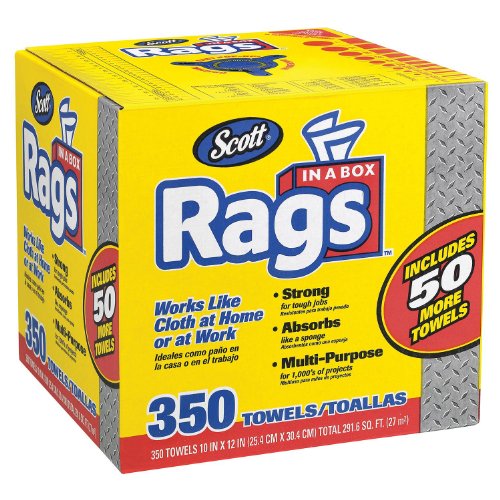 Scott Shop Rags In A Box (350ct.)
Lint-light rags for cleanup and prep. View on Amazon →
Scott Shop Rags In A Box (350ct.)
Lint-light rags for cleanup and prep. View on Amazon →
Still need help? Ask an RV Mechanic
Get a personalized answer from a verified RV mechanic. Describe your specific issue and get step-by-step help for your rig.
Related Repair Guides
- How to Repair RV Roof Soft Spots: Fix Water-Damaged Wood Step-by-Step Guide
- RV Rubber Roof Bubbling? How to Repair EPDM Separation
- RV Sidewall Blistering & Delamination Repair Guide
- DIY RV Basement Door Paint Repair: Complete Guide & Cost Analysis
- Fix Cracked Dometic RV AC Covers & Roof Vents
- How to Replace RV Slide Topper Fabric: Complete DIY Guide
- Kwikee RV Steps Not Working? Complete Troubleshooting Guide
- Carefree RV Awning Spring and Arm Replacement Guide - Model Compatibility Tips
- RV Roof Leak Around Air Conditioner: Complete Repair Guide
- How to Fix a Seized RV Side Mirror - Complete Repair Guide
Need More Help?
Try our free RV calculators and tools to help diagnose and plan your repairs.
Browse RV ToolsWeight calculator, electrical planner, propane estimator & more
