RV Rubber Roof Bubbling? How to Repair EPDM Separation
Read full question
But I'm also nervous about trying to fix it myself. What if I make it worse by cutting into the roof or using the wrong products? Is this something that can actually be repaired, or am I looking at a full roof replacement? I'd really appreciate some guidance on whether this is a DIY-friendly repair and what the basic process involves.
Quick Answer
Yes, EPDM rubber roof bubbling and separation can often be repaired by cutting small slits in bubbles, removing trapped air/moisture, applying adhesive underneath, and sealing with appropriate sealant.
In Brief
Nothing ruins a peaceful RV trip faster than discovering your rubber roof has turned into a bubble-covered mess that's letting water seep into your rig. Small bubbles and minor separation can be fixed with proper adhesive and sealant, while extensive damage may require professional membrane replacement.
Materials List
- EPDM primer and adhesive
- EPDM-compatible sealant (Dicor or similar)
- Utility knife with fresh blade
- Hair dryer or heat gun
- Clean rags and mineral spirits
- Rubber roller or J-roller
- Safety glasses and gloves
- Ladder or safe roof access
Making It Right
- Safety first: Ensure the roof is completely dry and temperatures are between 50-85°F (check specific adhesive manufacturer specifications for temperature requirements). Use proper fall protection including safety harnesses and secure tie-off points when accessing the roof.
- Clean the area: Remove all debris and clean the bubbled area with mineral spirits. Allow to dry completely.
- Lift the membrane: Starting from the edge of the bubble, carefully lift and separate the EPDM membrane from the substrate to release trapped air and moisture. Avoid cutting the membrane as this creates permanent weak points.
- Dry thoroughly: Use compressed air or allow natural air drying to ensure all moisture is removed from under the membrane. This step is crucial for proper adhesion.
- Apply primer: If using bonding adhesive, apply EPDM primer to both the substrate and underside of the membrane according to manufacturer instructions.
- Apply adhesive: Spread a thin, even layer of EPDM adhesive under the separated membrane using a brush or roller.
- Press and roll: Carefully press the membrane back down, working out air bubbles. Use a rubber roller to ensure good contact and adhesion.
- Seal the cuts: Apply EPDM-compatible sealant over the relief cuts and any seams. Smooth with a putty knife for proper coverage.
- Allow curing: Let cure according to adhesive manufacturer specifications before exposing to moisture, typically 24-48 hours.
Situations That Need a Professional
Contact an RV roofing specialist if you encounter:
- Extensive bubbling covering more than 25% of the roof surface
- Large tears or holes in the EPDM membrane
- Water damage visible in the RV interior or substrate
- Multiple previous repairs that have failed
- Structural issues with the roof deck or supports
- Age-related deterioration where the entire membrane needs replacement
Professional replacement typically costs $3,000-$7,000 (rough ballpark — actual cost varies by region, brand, and model year, and changes over time, so get current quotes) but ensures proper installation and warranty coverage.
Long-Term Care
Extend your EPDM roof life with regular maintenance:
- Inspect quarterly: Look for early signs of bubbling, tears, or sealant failure
- Clean annually: Use only EPDM-approved cleaners to avoid adhesive damage
- Reseal regularly: Refresh sealant around vents, antennas, and roof edges every 2-3 years
- Avoid walking on hot roofs: High temperatures make membranes more vulnerable to damage
- Trim overhanging branches: Prevent punctures and excessive debris accumulation
- Use proper products: Only use EPDM-compatible sealants and cleaners
- Address issues promptly: Small problems become major repairs if ignored
Temperature Considerations
EPDM repairs should be performed in moderate temperatures (50-85°F) for optimal adhesive performance. Avoid repairs in direct sunlight on hot days, as the membrane becomes too flexible and adhesives may not cure properly.
Tools & Supplies You'll Need
 WORKPRO Premium Utility Knife Retractable Snap-off Blade, Heavy Duty Aluminum
Scores sealant, opens boxes, trims gaskets. View on Amazon →
WORKPRO Premium Utility Knife Retractable Snap-off Blade, Heavy Duty Aluminum
Scores sealant, opens boxes, trims gaskets. View on Amazon →
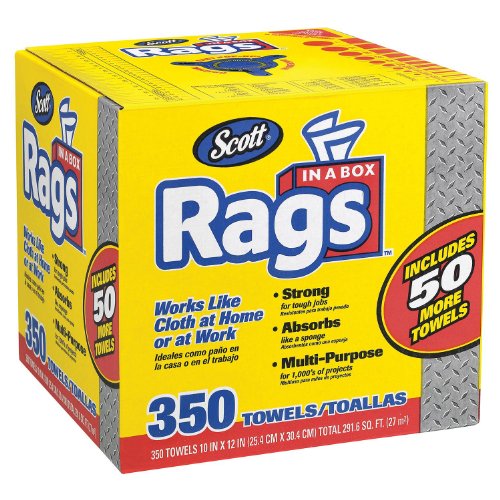 Scott Shop Rags In A Box (350ct.)
Lint-light rags for cleanup and prep. View on Amazon →
Scott Shop Rags In A Box (350ct.)
Lint-light rags for cleanup and prep. View on Amazon →
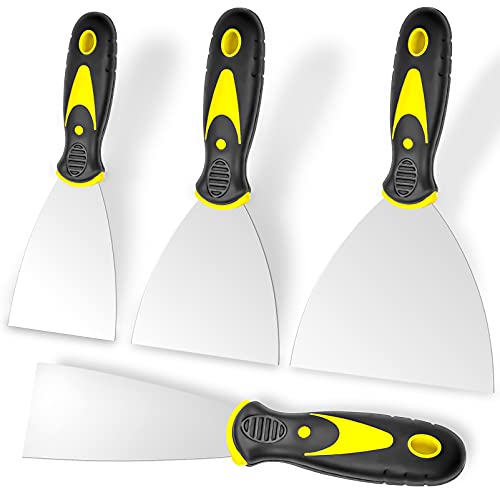 Putty Knife, 4Pcs Spackle Knife Set (2, 3, 4, 5 in), Stainless Steel Paint
Lifts old butyl tape and lap sealant without gouging. View on Amazon →
Putty Knife, 4Pcs Spackle Knife Set (2, 3, 4, 5 in), Stainless Steel Paint
Lifts old butyl tape and lap sealant without gouging. View on Amazon →
Still need help? Ask an RV Mechanic
Get a personalized answer from a verified RV mechanic. Describe your specific issue and get step-by-step help for your rig.
Related Repair Guides
- How to Repair RV Roof Soft Spots: Fix Water-Damaged Wood Step-by-Step Guide
- RV Sidewall Blistering & Delamination Repair Guide
- DIY RV Basement Door Paint Repair: Complete Guide & Cost Analysis
- Fix Cracked Dometic RV AC Covers & Roof Vents
- How to Replace RV Slide Topper Fabric: Complete DIY Guide
- Kwikee RV Steps Not Working? Complete Troubleshooting Guide
- Carefree RV Awning Spring and Arm Replacement Guide - Model Compatibility Tips
- RV Roof Leak Around Air Conditioner: Complete Repair Guide
- How to Fix a Seized RV Side Mirror - Complete Repair Guide
- RV Window Seal Leaking: Complete Repair Guide & Solutions
Need More Help?
Try our free RV calculators and tools to help diagnose and plan your repairs.
Browse RV ToolsWeight calculator, electrical planner, propane estimator & more
