RV Awning Won't Extend or Retract: Complete Troubleshooting & Repair Guide
Read full question
I'm hesitant to keep forcing it since I don't want to burn out the motor or make whatever's wrong even worse. Could this be an electrical issue with low voltage, or maybe the tracks are too dirty? I've also heard about limit switches causing problems but I'm not sure how to check those safely.
What are the most common causes when an awning does this short extend-then-retract cycle? I want to start with the safest troubleshooting steps before calling a repair shop.
Quick Answer
When your RV awning only moves a short distance before retracting, it's typically caused by motor overheating, dirty tracks, low voltage, or limit switch issues. Start by checking connections and cleaning the awning rails before moving to more complex diagnostics.
Bottom Line Up Front
Your awning's behavior of extending briefly then immediately retracting after heavy use points to an overheated motor protection system that's kicking in. The power cycling allowing short movement confirms the motor's thermal protection is resetting temporarily but then engaging again due to excessive current draw. Common causes include binding in the awning mechanism from debris buildup, worn bushings, or a stretched fabric creating drag. The repair involves cleaning and lubricating the mechanism, checking fabric tension, and potentially replacing worn motor components - expect 2-4 hours of work and $50-200 (rough ballpark — actual cost varies by region, brand, and model year and changes over time, so get current quotes) in parts depending on what's needed.
Root Causes
The most common causes of your symptoms include motor overheating protection engaging due to excessive load on the system. After frequent use on your last trip, debris like dirt, leaves, or sand has likely accumulated in the awning arms or roller tube bearings, creating binding that forces the motor to work harder. This increased current draw triggers the built-in thermal protection, causing the motor to stop and retract.
Worn roller tube bushings are another frequent culprit, especially after heavy use. These plastic or bronze bushings allow smooth rotation, but when worn they create friction and binding. The awning fabric itself may have stretched or shifted during frequent operation, creating uneven tension that causes the motor to struggle against the imbalanced load.
Less commonly, the motor's internal components may be wearing out, causing increased resistance and heat buildup. The control module could also be developing issues with its current sensing circuits, causing premature shutdown even under normal loads.
Before You Start
SAFETY WARNING: Wear safety glasses and work gloves when working with mechanical components. Ensure your RV is parked on level ground and the awning is fully retracted before beginning any work. Turn off the awning circuit breaker for safety. You'll need basic tools including a socket set, screwdrivers, wire brush, shop vacuum, and appropriate lubricants. Have a helper available as awning components can be heavy and awkward to handle alone.
Check your awning manufacturer and model number, typically found on a label near the motor or arms. Common brands like Dometic, Carefree, or Lippert have specific procedures and parts. Take photos of the mechanism before disassembly to aid in reassembly. If your RV is under warranty, check if awning repairs are covered before proceeding with DIY work.
Gather cleaning supplies including degreaser, rags, and a stiff brush for removing accumulated debris. Purchase the manufacturer's specified lubricant (typically silicone spray or dedicated awning lubricants - consult your manual as using the wrong lubricant can void warranty) - never use regular automotive grease which can attract more dirt and debris in RV applications.
The Repair Process
Start by manually inspecting the awning arms and roller tube for obvious debris or damage. Remove the motor cover and visually check for burned components or loose connections. Test the motor's current draw using a clamp-on ammeter if available - normal operation should be within manufacturer specifications, while excessive draw indicates mechanical binding.
If full access to roller tube bearings is needed, you may need to remove the awning fabric by rolling it up on the tube and securing it, then detaching the rail connections. Clean all debris from the tube, arms, and pivot points using a wire brush and degreaser. Pay special attention to the roller tube end caps and bearing surfaces where dirt commonly accumulates.
Inspect the roller tube bushings for wear - they should allow smooth rotation without binding or excessive play. Replace worn bushings with the correct parts for your model (verify with dealer). Apply thin coats of marine-grade lithium grease to all pivot points, bearing surfaces, and gear mechanisms. Avoid over-lubrication which attracts debris.
Check the awning fabric for even tension and proper tracking. WARNING: Awning arms contain high-tension springs that can cause serious injury if released improperly. Spring tension adjustments should only be done following exact manufacturer procedures with proper tools - this often involves rotating adjustment bolts in specific sequences while maintaining control of spring-loaded components. Reassemble components in reverse order, ensuring all fasteners are torqued to manufacturer specifications. Test operation gradually, starting with short extensions and monitoring motor current draw and temperature.
Professional Help Needed
If cleaning and lubrication don't resolve the issue, the motor likely needs internal repair or replacement. RV awning motors contain specialized components and spring-loaded mechanisms that can cause serious injury if improperly handled. Professional replacement typically costs $200-400 including labor and takes 2-3 hours.
Seek professional help if you discover damaged awning arms, bent roller tubes, or structural mounting issues. These components are under significant tension and require proper tools and expertise to repair safely. Control module problems also require specialized diagnostic equipment and programming that most DIYers don't have access to.
Consider professional service if your awning is still under warranty, as DIY repairs may void coverage. Many RV service centers offer mobile awning repair, which can be more convenient than towing your RV to a shop. Get quotes from multiple providers as awning repair costs vary significantly between shops. Proper fabric tension is critical for preventing future motor strain and ensuring smooth operation throughout the awning's service life.
Tools & Supplies You'll Need
 AstroAI Digital Multimeter and Analyzer TRMS 6000 Counts Volt Meter Ohmmeter
Reads volts, continuity, and resistance — the #1 tool for tracing 12V faults. View on Amazon →
AstroAI Digital Multimeter and Analyzer TRMS 6000 Counts Volt Meter Ohmmeter
Reads volts, continuity, and resistance — the #1 tool for tracing 12V faults. View on Amazon →
 WD-40 Specialist Silicone Lubricant with SMART STRAW SPRAYS 2 WAYS, 11 OZ
Dry-ish lube for slides, seals, and zippers. View on Amazon →
WD-40 Specialist Silicone Lubricant with SMART STRAW SPRAYS 2 WAYS, 11 OZ
Dry-ish lube for slides, seals, and zippers. View on Amazon →
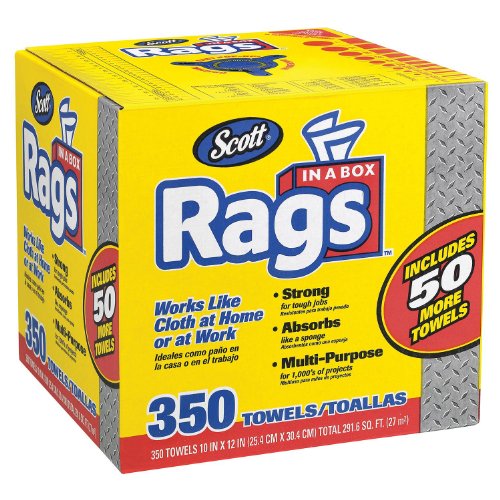 Scott Shop Rags In A Box (350ct.)
Lint-light rags for cleanup and prep. View on Amazon →
Scott Shop Rags In A Box (350ct.)
Lint-light rags for cleanup and prep. View on Amazon →
 36 Pcs Wire Brushes for Cleaning Stainless Steel/ Nylon/ Brass Metal Brush
Scours rust, corrosion, and old sealant. View on Amazon →
36 Pcs Wire Brushes for Cleaning Stainless Steel/ Nylon/ Brass Metal Brush
Scours rust, corrosion, and old sealant. View on Amazon →
Still need help? Ask an RV Mechanic
Get a personalized answer from a verified RV mechanic. Describe your specific issue and get step-by-step help for your rig.
Related Repair Guides
- How to Repair RV Roof Soft Spots: Fix Water-Damaged Wood Step-by-Step Guide
- RV Rubber Roof Bubbling? How to Repair EPDM Separation
- RV Sidewall Blistering & Delamination Repair Guide
- DIY RV Basement Door Paint Repair: Complete Guide & Cost Analysis
- Fix Cracked Dometic RV AC Covers & Roof Vents
- How to Replace RV Slide Topper Fabric: Complete DIY Guide
- Kwikee RV Steps Not Working? Complete Troubleshooting Guide
- Carefree RV Awning Spring and Arm Replacement Guide - Model Compatibility Tips
- RV Roof Leak Around Air Conditioner: Complete Repair Guide
- How to Fix a Seized RV Side Mirror - Complete Repair Guide
Need More Help?
Try our free RV calculators and tools to help diagnose and plan your repairs.
Browse RV ToolsWeight calculator, electrical planner, propane estimator & more
