RV Electrical & Battery Systems: Complete Guide
Master your RV electrical system from house batteries to shore power. Covers 12V DC, 120V AC, inverters, and charging.
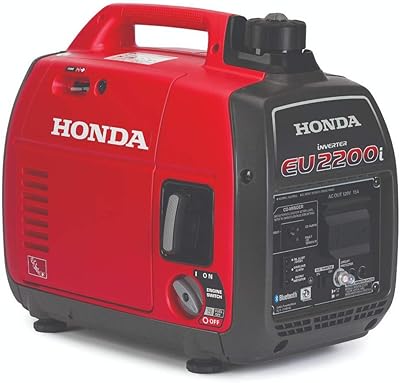
Keep your RV generator running reliably with this comprehensive maintenance and troubleshooting guide for Onan, Generac, and Cummins units.
Your Progressive Dynamics converter needs either a lithium-compatible charge wizard upgrade (PD9160ALV) or complete replacement with a modern lithium-capable charger like the AIMS or Progressive Dynamics PD9200 series.
LiFePO4 lithium batteries like the Dyness can replace lead acid batteries, but you'll likely need to upgrade your converter/charger to a lithium-compatible model. The BMS protects the battery from overcharging and provides longer life with faster charging.
Triple E built quality coaches in Canada. At 24 years old, focus on this specific units condition rather than brand reputation. Critical inspection points: water damage, engine hours, service history, roof seals. Get professional NRVIA inspection before buying.
Protect alternator from lithium battery high current draw using DC-DC charger for current limiting or temperature-controlled relay. DC-DC charger is best solution. Direct connection without protection risks alternator failure.
The Magnum MS 2812 is only a 30A charger, not 50A, despite being a quality unit. For true 50A charging, consider the Progressive Dynamics PD9260C or Aims 3000W units under $1000, or bite the bullet on a higher-end Victron or Magnum 50A model.
A lithium battery manager relay protects lithium batteries from overcharging by disconnecting them from the alternator when not needed. Installation involves wiring the relay between your alternator/converter and battery bank with proper fusing and control circuits.
Keep boost switch wiring separate from DC-DC charger circuit. Add dedicated chassis battery charger or use DC-DC second output for trickle charging. Boost switch remains for emergency use.
Convert to LiFePO4 by verifying converter charges at 14.2-14.6V, setting solar controller to lithium profile, and checking inverter cutoff settings. Built-in BMS handles cell protection.
48V RV electrical systems offer significant efficiency gains over 12V with smaller wires and less heat loss. All-in-one systems like Bluetti RV5 are making adoption easier despite solar certification limits.
Beyond batteries: verify converter is lithium-compatible, add DC-DC charger for alternator charging. Choose LiFePO4 batteries with built-in BMS. Check if 2023 GT7 has lithium-ready charging system - some newer models do.
Your 30 amp generator will power any RV converter charger. For lithium, get charger with proper LiFePO4 profile. Progressive Dynamics, IOTA with IQ-Lifepo4, or Victron all work well. Match amp rating to battery bank capacity.
Yes, you can likely replace your 2018 Georgetown's original lead acid house batteries with lithium, but you'll need to check your converter's charging profile and possibly upgrade it. Most 2018 Georgetown models came with converters that may not have lithium-compatible charging algorithms.
LiFePO4 offers longer life and lighter weight but requires checking converter and alternator compatibility on 2003 Terra. For light use replacing lead acid every 2 years, break-even takes 6-8 years. Consider if usage pattern justifies higher upfront cost.