RV Electrical & Battery Systems: Complete Guide
Master your RV electrical system from house batteries to shore power. Covers 12V DC, 120V AC, inverters, and charging.
Troubleshoot house batteries dying while on 50 amp shore power. Diagnose converter, breakers, and connections to restore proper charging.
Keep your RV generator running reliably with this comprehensive maintenance and troubleshooting guide for Onan, Generac, and Cummins units.
An inverter beeping three times and shutting off typically indicates low voltage under load, overheating, or overcurrent protection activation. While your batteries show 12.8V at rest, they may drop significantly under load due to poor connections, battery degradation, or undersized wiring.
Compare electrical systems between motorhomes and toy haulers. Covers battery setups, power demands, and generator needs for each RV type.
Protect your RV from freeze damage with this comprehensive winterization and de-winterization guide.
An E1 error on your MPPT solar controller typically indicates a battery over-voltage condition or wiring fault. This comprehensive guide shows you how to diagnose and fix the issue safely, including when professional help is needed.
A lithium battery showing 20% but not accepting charge typically indicates a BMS protection mode activation. Try disconnecting all power sources for 30 minutes, then reconnect to reset the BMS before checking connections and charging sources.
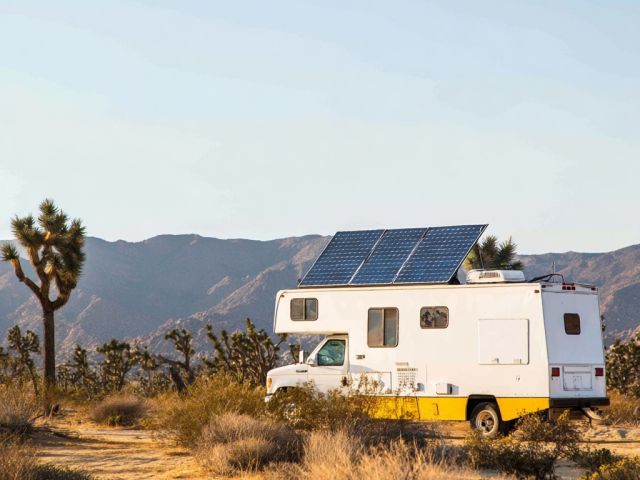
Most RV solar systems range from 200-800 watts using 12V panels wired in parallel with PWM or MPPT controllers. Wire gauge depends on amperage and distance, with 10-12 AWG typical for most installations.
Dual purpose lithium batteries work for coach use but dedicated deep cycle lithium is better for house banks. Dual purpose compromises between starting and cycling. For RV house batteries, deep cycle LiFePO4 provides better value and cycle life.
Your Progressive Dynamics converter needs either a lithium-compatible charge wizard upgrade (PD9160ALV) or complete replacement with a modern lithium-capable charger like the AIMS or Progressive Dynamics PD9200 series.
Removing grill improves F53 battery access significantly. Use floor jack with wood block to lift 45lb battery to tray height, or get a helper. Battery carrier strap helps. Consider battery slide tray for future ease.
Yes, high-output alternators can be installed on your F53/Triton V10, but you'll need to upgrade wiring and possibly the serpentine belt system. The Tucson unit you found is a solid choice for your large inverter battery bank needs.
Low amp charging from solar panels is typically caused by loose connections, incorrect controller settings, or battery issues rather than a bad controller. Start by checking all wiring connections and battery voltage before replacing the charge controller.
LiFePO4 lithium batteries like the Dyness can replace lead acid batteries, but you'll likely need to upgrade your converter/charger to a lithium-compatible model. The BMS protects the battery from overcharging and provides longer life with faster charging.