RV DC Electrical System: Expert Guide to 12 Volt Systems
Expert guide to RV 12V DC electrical systems. Covers batteries, wiring, voltage monitoring, and system upgrades.
Master your RV electrical system from house batteries to shore power. Covers 12V DC, 120V AC, inverters, and charging.
Troubleshoot house batteries dying while on 50 amp shore power. Diagnose converter, breakers, and connections to restore proper charging.
Hard starting often fuel pressure bleed-down from check valve or injector. Test by cycling key to build pressure. Use gauge for definitive diagnosis.
Guide to RV battery disconnect switches. Covers when to use, what loses power, and best practices for storage and daily use.
An E1 error on your MPPT solar controller typically indicates a battery over-voltage condition or wiring fault. This comprehensive guide shows you how to diagnose and fix the issue safely, including when professional help is needed.
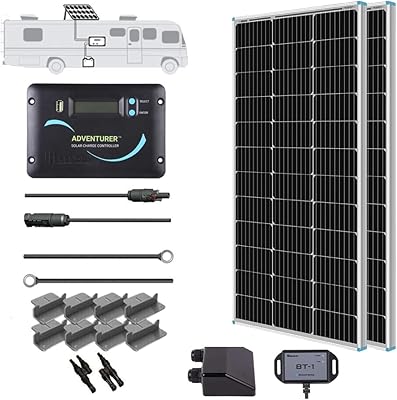
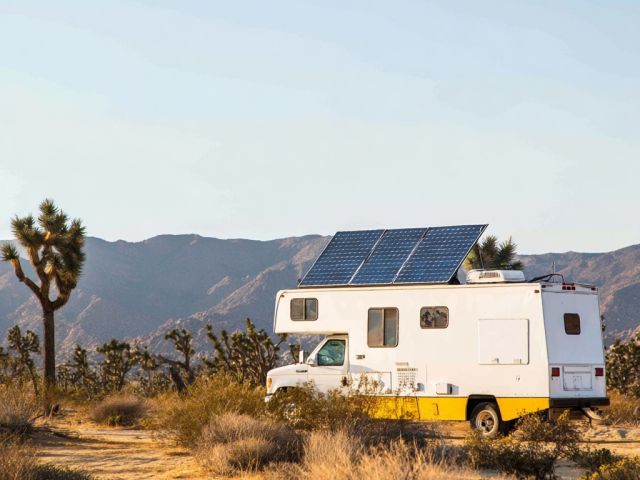
Most RV solar systems range from 200-800 watts using 12V panels wired in parallel with PWM or MPPT controllers. Wire gauge depends on amperage and distance, with 10-12 AWG typical for most installations.
The Ford F53 chassis with Godzilla V8 has improved power but still uses the same basic suspension design as previous models, which often requires aftermarket upgrades for optimal handling and ride quality in Class A motorhomes over 30 feet.
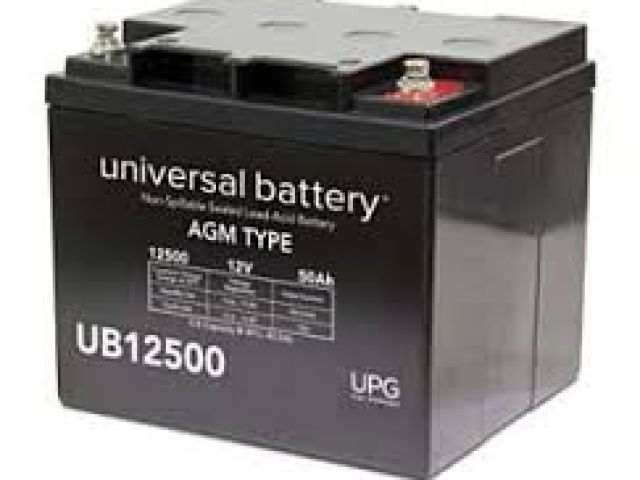
Dual purpose lithium batteries work for coach use but dedicated deep cycle lithium is better for house banks. Dual purpose compromises between starting and cycling. For RV house batteries, deep cycle LiFePO4 provides better value and cycle life.
Multiple coil codes on driver side likely common wiring, ground, or PCM driver issue. Check shared circuits before replacing coils.
Yes, balance beads can be used with internal TPMS sensors without damaging them, but there are specific considerations for bead size and installation method. Many RVers have successfully used this combination.
P068A indicates an ECM/PCM Power Relay Control Circuit malfunction in your Ford V10. This typically involves a faulty power relay, damaged wiring, or ECM issues causing engine stalling and starting problems.
Repeated fuel pump failures in Ford F53 motorhome chassis are often caused by electrical issues, contaminated fuel, or improper storage practices. The key is diagnosing the root cause rather than just replacing pumps.
Your Ford F53 460ci is stalling due to carbon buildup in the EGR valve disrupting idle air/fuel mixture. Clean the EGR valve and passages thoroughly, or consider an EGR delete with ECU tune for a permanent solution.
A Ford F53 V10 that cranks but won't start with cam sensor faults typically indicates wiring harness issues, timing chain problems, or PCM communication failures. Focus on checking the cam sensor wiring circuit and timing synchronization between crank and cam sensors.