RV LP Gas Detector False Alarms: Complete Troubleshooting Guide
Fix LP gas detector false alarms in RVs. Covers trigger sources, sensor age, proper placement, and when to replace your propane detector.
A gas detector that beeps every minute during nighttime hours (7PM-7AM) is typically experiencing low voltage issues, sensor degradation, or interference from temperature changes and humidity. The timing pattern suggests power-related problems rather than actual gas leaks.
Your Progressive Dynamics converter needs either a lithium-compatible charge wizard upgrade (PD9160ALV) or complete replacement with a modern lithium-capable charger like the AIMS or Progressive Dynamics PD9200 series.
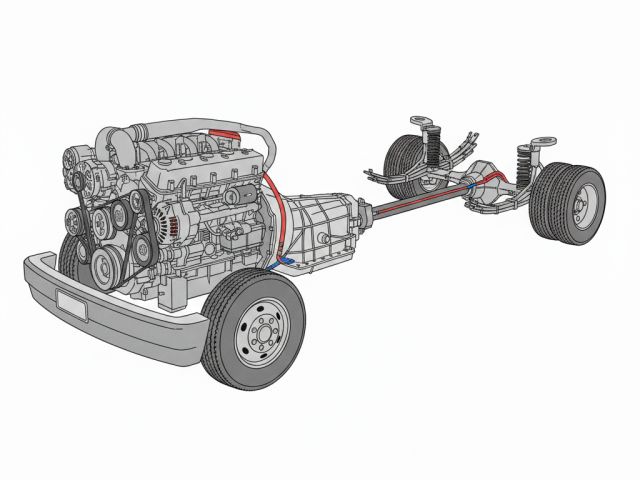
Repeated fuel pump failures in Ford F53 motorhome chassis are often caused by electrical issues, contaminated fuel, or improper storage practices. The key is diagnosing the root cause rather than just replacing pumps.
For F53 chassis wheel bearing service, contact Ford dealerships or heavy-duty truck shops since Camping World doesn't service motorhome chassis. Your beeping propane detector likely needs replacement, and the slides are interlocked with the LP detector for safety.
RV propane detectors should be tested monthly using the test button, replaced every 5-7 years, and positioned correctly near the floor. For alternative testing, use a small butane lighter held 6 inches away without igniting it.
Random propane detector alarms are usually caused by aging sensors, humidity, dust, or electrical interference rather than actual gas leaks. Test your detector and replace it if it's over 5-7 years old.
Torque Pro with OBD2 adapter monitors trans temp, engine parameters, and codes. Excellent for RV monitoring. Android only. Setup with custom dashboard.
Hieha TPMS is budget option that provides basic tire monitoring. Expect shorter battery life and potentially less accuracy than premium brands. TireMinder or TST recommended for serious RV use.
A continuously sounding leveling jack alarm typically indicates low hydraulic fluid, faulty sensors, or system malfunctions. While adding fluid may help, persistent alarms often require checking pressure sensors, wiring connections, or system bleeding procedures.