RV Slide Out Water Leak Repair: Complete Guide to Finding & Fixing Leaks in Your RV
Read full question
I've heard it could be the weatherstripping or seals, but I'm not sure how to inspect them properly or what other things might cause leaks. Could someone walk me through a systematic approach to find and fix slide out water leaks? I'd really appreciate guidance on what to check first and how to go about diagnosing the problem.
While the seals look okay visually, something clearly isn't sealing right when it rains.
Quick Answer
RV slide out water leaks typically occur due to worn weatherstripping, clogged weep holes, or misaligned seals. Start by inspecting the top seal and corners, then check drainage systems and side seals systematically. Quality replacement bulb seals typically cost $8-15 per linear foot, with most slide outs requiring 25-35 feet total (rough ballpark — actual cost varies by region, brand, and model year, and changes over time, so get current quotes). Professional slide out repair services typically
Here's the Deal
Water infiltration around slide outs during rain is one of the most common issues RV owners face, and you're right to be concerned about it. Even when your seals appear intact visually, there are multiple points where water can sneak in that aren't immediately obvious. Common causes include issues with the upper slide seal that creates the primary weather barrier, the wiper seals on the sides and bottom, or the gutter and weep hole system that's designed to channel water away from the living space.
Since you mentioned the seals look okay, we'll need to dig deeper into the less visible problem areas. Water has a sneaky way of finding the smallest gaps, and slide out assemblies have numerous potential entry points including worn bulb seals, damaged corner joints, clogged drainage channels, or even issues with the slide's alignment that create gaps you can't see from inside. The good news is that most slide out leaks can be traced to specific areas, and once you identify the source, repairs are usually straightforward and cost-effective.
What's Behind This
Slide out water leaks develop through several mechanisms that aren't always visible during a casual inspection. The primary sealing system consists of multiple components working together, and when one fails, water finds its way in. Understanding this system helps you target your troubleshooting efforts effectively.
The main weather seal, typically a bulb-style rubber seal, runs along the top and sides of the slide opening in your RV's sidewall. This seal compresses when the slide retracts, creating the primary barrier against weather. However, these seals can develop small tears, become misaligned, or lose their flexibility over time, especially in areas exposed to UV rays or extreme temperature changes. Even small gaps can allow significant water penetration during heavy rain or while driving in wet conditions, with tolerance varying by seal type and manufacturer specifications.
Several specific failure modes commonly occur with slide out sealing systems:
- Bulb seal compression loss where the rubber hardens and no longer creates a tight seal
- Corner joint failures where different seal sections meet and separate
- Wiper seal deterioration on the bottom and sides of the slide room
- Gutter system blockages that prevent proper water drainage
- Slide mechanism wear causing alignment issues and uneven seal contact
- Awning rail seal problems that allow water behind the primary weather barrier
- Window or door seal failures within the slide room itself
The drainage system plays a crucial role that many RV owners overlook. Most quality slide installations include gutters and weep holes designed to collect water that gets past the primary seal and direct it away from the interior. When leaves, debris, or even dried sealant clog these drainage paths, water backs up and finds alternative routes into your living space. Additionally, some water intrusion occurs not at the slide interface but through compromised seals around slide-mounted windows, doors, or exterior components.
Getting Started
Safety Warning: Before performing any water testing or repair work, ensure electrical systems are properly protected and use appropriate personal protective equipment. Always use stable ladders and have someone assist when working at height.
Before diving into repairs, you'll need to systematically identify exactly where water is entering your RV. This diagnostic process requires patience but saves time and money by ensuring you fix the actual problem rather than guessing. Start your investigation during dry weather when you can safely examine all components and perform water tests.
Gather these essential tools for your leak detection process:
- Garden hose with spray nozzle for controlled water testing
- Flashlight or headlamp for examining dark areas
- Small mirror for inspecting hard-to-see seal surfaces
- Clean rags for drying surfaces and wiping away debris
- Measuring tape for checking gaps and alignment
- Camera or smartphone for documenting problem areas
- Step ladder for accessing upper seal areas safely
- Awl or small pick for cleaning out drainage channels
Begin with a thorough visual inspection of the entire slide out assembly. With the slide extended, examine all seals from both inside and outside the RV. Look for obvious tears, gaps, or areas where seals have pulled away from their mounting surfaces. Pay particular attention to corners where different seal sections meet, as these joints often fail first. Check that bulb seals maintain their rounded shape and aren't flattened or cracked.
The water test provides definitive leak location information that visual inspection alone cannot reveal. Have a helper inside the RV to spot water entry while you systematically spray water on different sections of the slide assembly. Start at the bottom and work upward, spending adequate time on each area to allow water to penetrate and appear inside. This methodical approach prevents water from higher areas masking the true entry point of lower leaks.
Document your findings with photos and notes about leak locations, severity, and which test conditions produced them. This information guides your repair strategy and helps you communicate effectively with suppliers when ordering parts or seeking professional assistance.
Making the Repair
Safety Warning: When working with sealants and adhesives, ensure adequate ventilation and use appropriate respiratory protection. Always disconnect power to slide systems before performing mechanical repairs.
Once you've identified the leak source, repairs typically fall into several categories ranging from simple adjustments to complete seal replacement. Most slide out leak repairs are well within the capabilities of DIY RV owners with basic tools and moderate mechanical aptitude. The key is matching your repair approach to the specific problem you've discovered.
For minor bulb seal adjustments and cleaning, start with the least invasive solutions. Remove debris from drainage channels using a small awl or compressed air. Clean seal surfaces with mild soap and water, then apply rubber conditioner to restore flexibility to aging seals. Sometimes simply repositioning a shifted seal or tightening loose mounting screws to manufacturer specifications resolves leak issues without part replacement.
Bulb seal replacement becomes necessary when seals are torn, permanently deformed, or have lost their sealing capability. These repairs involve:
- Measuring the existing seal to determine the correct part for your model (verify with dealer)
- Carefully removing old seal material and cleaning mounting surfaces thoroughly
- Installing new seal sections starting from corners and working along straight runs
- Ensuring proper compression when the slide retracts without over-tightening
- Sealing corner joints with appropriate sealant rated for exterior RV use
- Testing seal effectiveness with controlled water application
Quality replacement bulb seals typically cost $8-15 per linear foot, with most slide outs requiring 25-35 feet total (rough ballpark — actual cost varies by region, brand, and model year, and changes over time, so get current quotes). Popular brands include Trim-Lok, Camco, and manufacturer-specific seals from companies like Lippert or Dometic. The installation process usually takes 4-6 hours for a complete seal replacement, depending on slide size and accessibility.
Wiper seal replacement addresses leaks along the bottom and sides of the slide room. These flat seals create a sweeping action against the RV sidewall and are particularly prone to damage from road debris. Replacement involves removing fasteners, cleaning mounting surfaces, and installing new wiper seals according to manufacturer specifications. surfaces, and installing new seals with proper alignment to ensure even contact pressure. Torque all fasteners to manufacturer specifications.
Drainage system repairs often provide the biggest improvement for the least cost. Clear blocked weep holes using wire or compressed air, and ensure gutters maintain proper slope toward drainage points. Some systems benefit from installing additional drainage outlets or enlarging existing holes to handle heavy rain conditions better.
For alignment issues causing uneven seal contact, adjustments to slide mechanism mounting points may be necessary. This typically requires mechanical aptitude and understanding of your specific slide system, whether it's a rack-and-pinion, cable-operated, or hydraulic design. Minor adjustments can often correct problems, but significant misalignment may indicate worn components requiring professional attention.
Call in the Pros
While many slide out leak repairs are DIY-friendly, certain situations warrant professional intervention to ensure safe and effective resolution. Recognizing when to seek expert help prevents costly mistakes and potential safety hazards associated with improper repairs.
Structural issues with slide mechanisms, electrical problems with motorized systems, or major alignment problems typically require professional diagnosis and repair. These complex systems involve precise tolerances and specialized knowledge that goes beyond basic seal replacement. Additionally, if your RV is still under warranty, professional repairs ensure coverage remains intact.
Professional slide out repair services typically charge $150-300 for leak diagnosis, with repair costs varying based on the specific problem. Simple seal replacements might cost $400-800 including labor, while complex mechanism repairs or structural issues can range from $1,500-3,500. Mobile RV repair services are often available for slide out problems, bringing specialized tools and expertise directly to your location.
When selecting a professional service, look for technicians with specific slide out system experience, particularly with your RV's brand and slide mechanism type. Ask about warranty coverage on repairs and ensure they use quality replacement parts rather than generic alternatives that may not provide proper fit or longevity.
Consider professional help particularly important if you discover multiple leak points, signs of interior water damage, or if initial DIY repair attempts haven't resolved the problem completely. Sometimes what appears to be a simple seal issue actually indicates deeper problems with slide alignment, structural support, or component wear that requires comprehensive evaluation and repair.
Preventive maintenance schedules with qualified technicians can also help prevent many slide out leak problems before they occur. Annual inspections, seal conditioning, drainage system cleaning, and mechanism lubrication typically cost $200-400 but often prevent major repairs and water damage restoration expenses that can reach several thousand dollars.
Tools & Supplies You'll Need
 Flashlights High Lumens Rechargeable, 100,000LM LED Super Bright Flash Light
Bright rechargeable light for bays and undercarriage. View on Amazon →
Flashlights High Lumens Rechargeable, 100,000LM LED Super Bright Flash Light
Bright rechargeable light for bays and undercarriage. View on Amazon →
 Kohree 50FT RV Water Hose with Storage Bag, 5/8'' Drinking Water Hose, No
Lead-free hose rated for potable water. View on Amazon →
Kohree 50FT RV Water Hose with Storage Bag, 5/8'' Drinking Water Hose, No
Lead-free hose rated for potable water. View on Amazon →
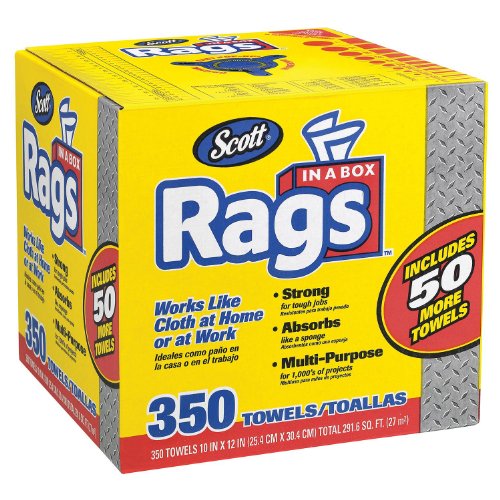 Scott Shop Rags In A Box (350ct.)
Lint-light rags for cleanup and prep. View on Amazon →
Scott Shop Rags In A Box (350ct.)
Lint-light rags for cleanup and prep. View on Amazon →
 Silicone Caulk & Sealant Clear, 100% Waterproof Silicone Sealant, Shrink &
General-purpose waterproof sealing and bedding. View on Amazon →
Silicone Caulk & Sealant Clear, 100% Waterproof Silicone Sealant, Shrink &
General-purpose waterproof sealing and bedding. View on Amazon →
Still need help? Ask an RV Mechanic
Get a personalized answer from a verified RV mechanic. Describe your specific issue and get step-by-step help for your rig.
Related Repair Guides
- Power Gear Leveler Won't Retract: Complete Repair Guide
- How to Fix RV Slideout Rubbing Against Exterior Wall - Complete Repair Guide
- RV Slide Out Won't Retract: Motor Runs But Won't Move - Fix
- RV Electric Leveling Jacks Won't Extend - Fix Clicking Issue
- How to Replace Atwood Levelegs Control System with GAMA Electronics RF340-4PR Controller
- RV Hydraulic Leveling Jack Leaks: Normal Seepage vs Serious Problems Explained
- RV Slide Out Moving Slowly? Complete Lubrication & Repair Guide
- RV Slide-Out Systems: Complete Maintenance & Repair Guide
- How to Lift RV Slideout for Floor Repair - Safe Methods
- HWH 625S Slide Out Not Working: Step-by-Step Control Box Bypass & Repair Guide
Need More Help?
Try our free RV calculators and tools to help diagnose and plan your repairs.
Browse RV ToolsWeight calculator, electrical planner, propane estimator & more
