RV Slide Out Moving Slowly? Complete Lubrication & Repair Guide
Read full question
I've been reading that lubrication might be the answer, but I honestly don't know where to start. Should I be looking at the motor mechanism? The tracks? I've heard about hydraulic fluid but I'm not sure if my system is hydraulic or electric. I really need someone to walk me through what needs lubrication and what else I should check before this thing stops working completely!
Could you help me troubleshoot? Details that might help: Can you tell me the specific model of my RV and the type of slide out system it uses?
Quick Answer
A slow-moving RV slide out typically needs lubrication on the motor mechanism, gear tracks, and slide rails. Check hydraulic fluid levels on hydraulic systems or inspect motor connections on electric systems for proper operation.
What's Going On
Your RV slide out crawling like a snail is either a quick lubrication fix or a sign of serious mechanical trouble — here's how to diagnose which one you're dealing with. When your RV slide out moves slowly and sounds strained, it's usually due to lack of lubrication on the motor gears, slide rails, or rack and pinion system. Low hydraulic fluid (on hydraulic systems) or corroded electrical connections can also cause this problem. Most issues can be resolved with proper cleaning and lubrication.
What's Going Wrong
Lack of Lubrication: The most common cause is dried-out grease on gears and rails. RV slides need regular lubrication every 3-6 months depending on usage and climate.
Dirt and Debris: Sand, leaves, and road grime can accumulate in the slide mechanism, causing increased friction and strain on the motor.
Worn Motor Brushes: Electric slide motors use carbon brushes that wear over time, reducing motor efficiency and speed.
Low Hydraulic Fluid: Hydraulic systems (common in Lippert and some Dometic slides) require proper fluid levels to operate smoothly.
Electrical Issues: Corroded connections, loose wires, or voltage drop can reduce motor power and cause slow operation.
Mechanical Binding: Bent rails, damaged gears, or foreign objects can cause the slide to bind and move slowly.
Getting Ready
Before diving in, gather these items:
- White lithium grease or marine-grade grease
- Penetrating oil (WD-40 or similar)
- Clean rags or paper towels
- Wire brush or steel wool
- Flashlight or headlamp
- Basic hand tools (screwdrivers, wrenches)
- Hydraulic fluid (if applicable)
- Electrical contact cleaner
Walking Through the Fix
Here's how to tackle this:
Step 1: Safety First
- Ensure the RV is level and stabilized with jacks
- Disconnect shore power when cleaning electrical connections (reconnect before voltage testing)
- Never put hands or objects in the slide mechanism while operating
- Have someone inside to operate controls while you observe from a safe distance away from the slide mechanism
Step 2: Inspect the Slide Rails and Tracks
- Extend the slide out partially to access the rails
- Look for dirt, debris, or corrosion on the slide rails underneath
- Clean rails thoroughly with a wire brush and penetrating oil
- Wipe clean and apply a thin layer of white lithium grease
- Check for bent or damaged rail sections that may cause binding
Step 3: Check the Motor and Gear Assembly
- Locate the slide motor (usually under the RV or inside a compartment)
- Remove the motor cover or access panel
- Inspect gear teeth for debris, old grease, or wear
- Clean gears with penetrating oil and a brush
- Apply fresh marine-grade grease to all gear teeth and contact points (for rack and pinion systems, also lubricate the rack teeth and pinion engagement points)
- Check motor mounting bolts for tightness
Step 4: Examine Electrical Connections (Electric Systems)
- Inspect all wire connections at the motor for corrosion
- Clean corroded terminals with electrical contact cleaner
- Ensure all connections are tight and secure
- Check the inline fuse or circuit breaker (typically 20-30 amp for slide motors)
- Test voltage at the motor during operation (should match your RV's system voltage - typically 12V or 24V)
Step 5: Check Hydraulic System (If Applicable)
Warning: Hydraulic systems may contain stored pressure. Consult manufacturer procedures for proper pressure relief before servicing.
- Locate the hydraulic reservoir (usually near the motor)
- Check fluid level - should be between min/max lines
- Top off with manufacturer-specified hydraulic fluid if low
- Inspect hydraulic lines for leaks or damage
- Check pump operation for unusual noises
Beyond DIY Territory
Contact an RV service technician if you encounter:
- Slide completely stops moving or makes grinding noises
- Hydraulic fluid leaks from lines or fittings
- Electrical issues beyond basic connection cleaning
- Bent or damaged slide rails requiring replacement
- Motor replacement or major mechanical repairs
- Slide becomes misaligned or won't seal properly
Safety Warning: Never attempt to manually force a slide in or out, as this can cause serious damage to the mechanism and potential injury.
Tools & Supplies You'll Need
 WD-40 Specialist White Lithium Grease Spray with SMART STRAW SPRAYS 2 WAYS
Lubes slides, jacks, hinges, and steps. View on Amazon →
WD-40 Specialist White Lithium Grease Spray with SMART STRAW SPRAYS 2 WAYS
Lubes slides, jacks, hinges, and steps. View on Amazon →
 Supco MO44 Rust Buster Liquid Penetrating Oil
Frees seized bolts and rusted hardware. View on Amazon →
Supco MO44 Rust Buster Liquid Penetrating Oil
Frees seized bolts and rusted hardware. View on Amazon →
 36 Pcs Wire Brushes for Cleaning Stainless Steel/ Nylon/ Brass Metal Brush
Scours rust, corrosion, and old sealant. View on Amazon →
36 Pcs Wire Brushes for Cleaning Stainless Steel/ Nylon/ Brass Metal Brush
Scours rust, corrosion, and old sealant. View on Amazon →
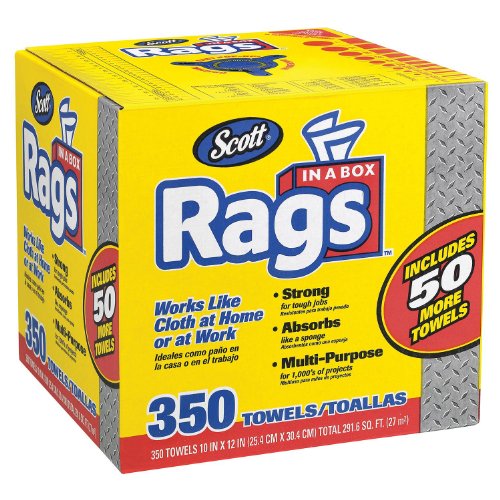 Scott Shop Rags In A Box (350ct.)
Lint-light rags for cleanup and prep. View on Amazon →
Scott Shop Rags In A Box (350ct.)
Lint-light rags for cleanup and prep. View on Amazon →
Still need help? Ask an RV Mechanic
Get a personalized answer from a verified RV mechanic. Describe your specific issue and get step-by-step help for your rig.
Related Repair Guides
- Power Gear Leveler Won't Retract: Complete Repair Guide
- How to Fix RV Slideout Rubbing Against Exterior Wall - Complete Repair Guide
- RV Slide Out Won't Retract: Motor Runs But Won't Move - Fix
- RV Electric Leveling Jacks Won't Extend - Fix Clicking Issue
- RV Slide Out Water Leak Repair: Complete Guide to Finding & Fixing Leaks in Your RV
- How to Replace Atwood Levelegs Control System with GAMA Electronics RF340-4PR Controller
- RV Hydraulic Leveling Jack Leaks: Normal Seepage vs Serious Problems Explained
- RV Slide-Out Systems: Complete Maintenance & Repair Guide
- How to Lift RV Slideout for Floor Repair - Safe Methods
- HWH 625S Slide Out Not Working: Step-by-Step Control Box Bypass & Repair Guide
Need More Help?
Try our free RV calculators and tools to help diagnose and plan your repairs.
Browse RV ToolsWeight calculator, electrical planner, propane estimator & more
