RV Inverter Sizing for Microwave: 100Ah Battery Runtime
Read full question
Quick Answer
A 900W microwave on a 1000W inverter will draw about 90-95 DC amps from your 100Ah battery, giving you roughly 45-60 minutes of actual cooking time. However, you'll need a larger inverter to handle the microwave's startup surge.
First, Let's Verify Your Power Requirements
The real cause of RV microwave power failures usually isn't your inverter size—it's the hidden battery voltage drop that kills performance before you even reach capacity limits. A 900W microwave typically draws 1200-1400 watts from the inverter due to inefficiencies, but verify actual consumption for your specific unit. Your 1000W inverter is undersized and will likely shut down on overload or struggle to start the microwave.
I'd recommend upgrading your 1000W inverter to at least a 1500W unit, preferably 2000W, to handle the microwave's startup surge and sustained operation safely.
Calculating Your Battery Runtime
Here's the math for your 100Ah battery with a properly sized inverter:
- AC Load: 900W microwave draws approximately 1200W from inverter (including inefficiencies)
- DC Current Draw: 1200W ÷ 12V = 100 amps DC
- Usable Battery Capacity: 50Ah (only use 50% of lead-acid battery capacity)
- Runtime: 50Ah ÷ 100A = 0.5 hours = 30 minutes maximum
However, this assumes continuous operation. Since microwaves cycle on and off, you'll get roughly 45-60 minutes of actual cooking time spread over a longer period.
Power Consumption Reality Check
The numbers above represent ideal conditions. Several factors will reduce your actual runtime:
Battery voltage sag under heavy loads means the inverter draws even more current to maintain AC output. Cold batteries deliver less capacity. Battery age and condition significantly impact available power. Many RVers report getting approximately 30-40 minutes of microwave cooking from a single 100Ah battery.
You can get more precise calculations using our electrical load calculator which factors in inverter efficiency and battery characteristics.
Inverter Sizing Recommendations
For reliable microwave operation, you'll want these minimum specifications:
- Continuous Power: 1500W minimum, 2000W preferred
- Surge Rating: 3000W or higher for microwave startup (verify requirements for your specific microwave model)
- Pure Sine Wave: Essential for microwave operation
- Low Voltage Disconnect: Protects your batteries
The higher-rated inverter won't use more power during operation - it simply has the capacity to handle the microwave's demands without overloading.
Improving Your Runtime
If 30-45 minutes isn't sufficient for your needs, consider these upgrades:
Battery bank expansion: Adding a second 100Ah battery doubles your runtime to 60-90 minutes of cooking. Lithium batteries can be discharged to 80-90% capacity safely, nearly doubling usable power compared to lead-acid. Lower wattage microwave: A 700W unit reduces power consumption by about 25%.
For comprehensive guidance on RV electrical systems and battery management, check out our complete electrical systems guide.
Installation Considerations
When upgrading to a larger inverter, disconnect all power sources and verify your battery cables can handle the increased current draw. Consider professional installation for high-current DC systems. You'll typically need 4/0 AWG cable for a 2000W inverter with runs over a few feet, but consult manufacturer specifications for your specific installation. Install appropriate fusing at the battery connection as specified by the inverter manufacturer - typically 200-250 amp for a 2000W inverter, but verify for your specific unit.
The inverter should be mounted in a well-ventilated area as close to the batteries as possible to minimize voltage drop in the DC wiring.
Tools & Supplies You'll Need
 AstroAI Digital Multimeter and Analyzer TRMS 6000 Counts Volt Meter Ohmmeter
Reads volts, continuity, and resistance — the #1 tool for tracing 12V faults. View on Amazon →
AstroAI Digital Multimeter and Analyzer TRMS 6000 Counts Volt Meter Ohmmeter
Reads volts, continuity, and resistance — the #1 tool for tracing 12V faults. View on Amazon →
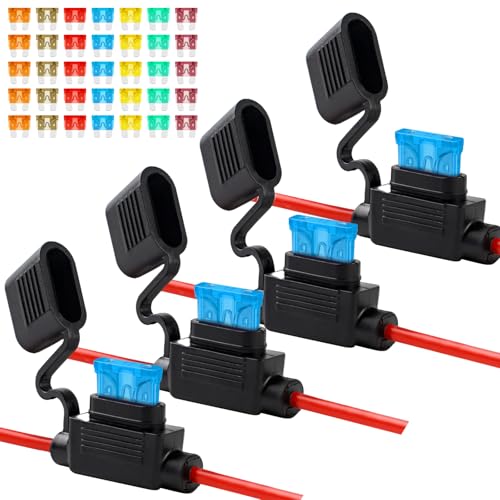 Cooclensportey 4 Pack 12AWG Inline Fuse Holder, Waterproof Fuse Holder with
Protects any 12V accessory run you add to the rig. View on Amazon →
Cooclensportey 4 Pack 12AWG Inline Fuse Holder, Waterproof Fuse Holder with
Protects any 12V accessory run you add to the rig. View on Amazon →
 IRWIN Vise-Grip Wire Stripper, 2 Inch Jaw, Cuts 10-24 AWG, ProTouch for
Strips and crimps in one tool — clean connections every time. View on Amazon →
IRWIN Vise-Grip Wire Stripper, 2 Inch Jaw, Cuts 10-24 AWG, ProTouch for
Strips and crimps in one tool — clean connections every time. View on Amazon →
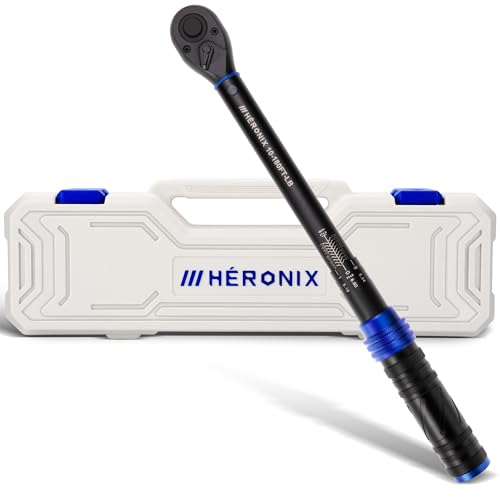 HERONIX 1/2 Inch Drive Click Torque Wrench, 10–180 Ft.Lb/13.6–244.0 Nm
Click-type wrench for lug nuts and anything with a torque spec. View on Amazon →
HERONIX 1/2 Inch Drive Click Torque Wrench, 10–180 Ft.Lb/13.6–244.0 Nm
Click-type wrench for lug nuts and anything with a torque spec. View on Amazon →
Still need help? Ask an RV Mechanic
Get a personalized answer from a verified RV mechanic. Describe your specific issue and get step-by-step help for your rig.
Related Repair Guides
- RV Backup Camera Not Working? Complete Troubleshooting Guide
- RV Chassis Battery Draining & Dead Outlets - Troubleshooting
- RV Electrical Problems: 12V & 120V Troubleshooting Guide
- ECM Low Battery Warning RV: Complete Diagnosis & Fix Guide
- Protect Your RV Alternator When Charging Lithium
- RV 12V Lights Dimming: Complete Troubleshooting Guide
- RV 12V Auto Reset Breaker Size Guide: 30A, 40A, 50A Selection
- RV Shore Power Not Working: Complete Troubleshooting Guide
- No 12 Volt Power in RV: Complete Troubleshooting Guide
- RV DC Electrical System: Expert Guide to 12 Volt Systems
Need More Help?
Try our free RV calculators and tools to help diagnose and plan your repairs.
Browse RV ToolsWeight calculator, electrical planner, propane estimator & more
