ECM Low Battery Warning RV: Complete Diagnosis & Fix Guide
Read full question
I'm seeing this seems to be a thing with these diesel pushers, but I'm drowning in conflicting info online. Some say it's the chassis battery, others blame alternator issues, and I've even seen posts about ECM power supply problems on the Caterpillar engines. What's the actual step-by-step process to track this down? And more importantly, how do I fix it so it doesn't leave me stranded again? Really need a complete walkthrough of what causes this code and the proper repair approach.
Quick Answer
ECM fault code 168-1 indicates low battery voltage to the Engine Control Module, causing shutdown and electrical failures. This comprehensive guide covers diagnosis, repair steps, and prevention for diesel RV owners experiencing this critical issue.
Short Answer
Your 2005 Fleetwood Discovery 39S is experiencing ECM fault code 168-1 due to voltage drops that cause the Engine Control Module to lose power temporarily. This intermittent issue typically stems from corroded chassis ground connections, failing battery isolator or separator, or deteriorating main power cables between your engine and coach batteries. The transmission selector going dark and the ABS/park brake warnings are all symptoms of the ECM losing its stable 12V supply during operation.
Understanding the Problem
The ECM fault code 168-1 specifically indicates that your Engine Control Module detected battery voltage dropping below its minimum operating threshold (typically around 10-11 volts). When this happens, the ECM shuts down to protect itself, which causes your engine to stall and prevents restart until voltage stabilizes. Your Discovery's Caterpillar engine (likely the 3126B or C7) relies on consistent 12V power to operate the ECM, fuel system, and transmission controls.
The intermittent nature of your problem - shutting down on the interstate but starting after sitting - is classic for voltage drop issues. When the engine is under load (climbing hills, highway speeds), electrical demands increase, exposing weak connections or failing components. After sitting, components cool down and connections may temporarily improve, allowing restart. The transmission selector going dark confirms the voltage drop affected multiple systems simultaneously.
Your coach likely has a battery isolator or separator system that manages power between the engine starting battery and house batteries. When this system fails or connections corrode, it can create voltage instability that triggers ECM faults. The ABS and park brake warnings indicate the chassis electrical systems are also affected by the voltage fluctuations.
What You'll Need
For diagnosis, you'll need a digital multimeter capable of measuring voltage under load, a battery load tester, and basic hand tools including wrenches and wire brushes for cleaning connections. You'll also want electrical contact cleaner, dielectric grease, and potentially replacement battery cables if corrosion is severe. Having a scan tool (which you already have) helps monitor real-time voltage during testing.
If replacement parts are needed, common culprits include the battery isolator or separator (around $150-300 (rough ballpark — actual cost varies by region, brand, and model year and changes over time, so get current quotes)), main battery cables (1/0 or 2/0 AWG cables (2/0 being larger) run $50-100 depending on length), and chassis ground straps ($20-50 each). You may also need battery terminal ends and heat shrink tubing if cable ends are corroded beyond cleaning.
How to Fix It
Start by checking all battery connections at both the engine starting battery and house batteries. Disconnect the battery, then remove cables and clean terminals with a wire brush until they're bright metal. Pay special attention to the main positive cable from the starting battery to the isolator or separator, and the ground connections between engine block and chassis frame. Corroded connections here are the most common cause of ECM voltage faults.
Test your battery isolator or separator unit, typically mounted near the batteries or under the hood. With engine running, you should see charging voltage (13.5-14.2V) on both sides. If voltage differs significantly between input and output, the isolator is likely failing. Many Discovery owners have replaced failed isolators with modern battery separator relays or continuous duty solenoids for better reliability.
Use your multimeter to check voltage at the ECM connector while someone operates the engine at various RPMs. The ECM should see stable 12V+ at all times. If voltage drops below 11V during operation, trace the power feed back toward the battery, checking connections and cable integrity. Pay attention to any junction blocks or fuse panels in the circuit.
Check the chassis ground system thoroughly. Your Discovery should have heavy ground straps between engine block and frame, transmission and frame, and frame to house batteries. These straps corrode over time and create voltage instability. Replace any ground straps showing green corrosion or physical damage with marine-grade tinned copper cables.
Leave It to the Experts
If voltage testing reveals stable power to the ECM but fault codes persist, the problem may be internal to the ECM itself or involve complex interactions between chassis control modules. Caterpillar dealers have specialized diagnostic equipment that can perform deeper ECM analysis and reprogram parameters if needed. ECM replacement typically runs $2000-4000 including programming.
Electrical troubleshooting on Class A motorhomes can be complex due to multiple battery systems, inverters, and control modules that interact. If you're not comfortable working with 12V systems or the problem persists after checking basic connections, consult a qualified RV technician or Caterpillar service center. They can perform load testing on the entire electrical system and identify issues that basic multimeter testing might miss.
Tools & Supplies You'll Need
 AstroAI Digital Multimeter and Analyzer TRMS 6000 Counts Volt Meter Ohmmeter
Reads volts, continuity, and resistance — the #1 tool for tracing 12V faults. View on Amazon →
AstroAI Digital Multimeter and Analyzer TRMS 6000 Counts Volt Meter Ohmmeter
Reads volts, continuity, and resistance — the #1 tool for tracing 12V faults. View on Amazon →
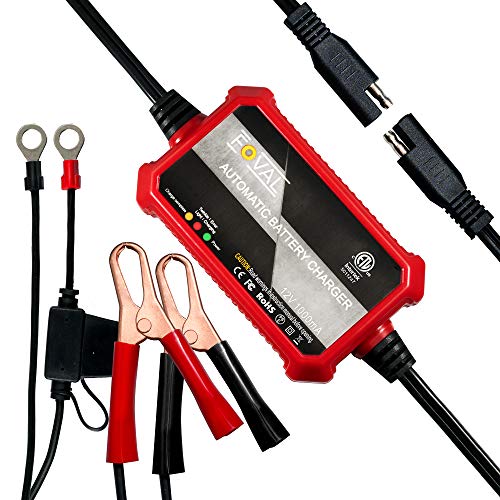 Foval Automatic Trickle Battery Charger 12V 1000mA Smart Battery Charger
Multi-stage charger/maintainer for house and chassis batteries in storage. View on Amazon →
Foval Automatic Trickle Battery Charger 12V 1000mA Smart Battery Charger
Multi-stage charger/maintainer for house and chassis batteries in storage. View on Amazon →
 30-Piece Combination Wrench Set - Open End Wrench Set with Organizer
Box-and-open-end wrenches in SAE and metric. View on Amazon →
30-Piece Combination Wrench Set - Open End Wrench Set with Organizer
Box-and-open-end wrenches in SAE and metric. View on Amazon →
Still need help? Ask an RV Mechanic
Get a personalized answer from a verified RV mechanic. Describe your specific issue and get step-by-step help for your rig.
Related Repair Guides
- RV Backup Camera Not Working? Complete Troubleshooting Guide
- RV Chassis Battery Draining & Dead Outlets - Troubleshooting
- RV Electrical Problems: 12V & 120V Troubleshooting Guide
- Protect Your RV Alternator When Charging Lithium
- RV 12V Lights Dimming: Complete Troubleshooting Guide
- RV 12V Auto Reset Breaker Size Guide: 30A, 40A, 50A Selection
- RV Shore Power Not Working: Complete Troubleshooting Guide
- No 12 Volt Power in RV: Complete Troubleshooting Guide
- RV DC Electrical System: Expert Guide to 12 Volt Systems
- How to Repair a Hole in RV Grey Water Tank
Need More Help?
Try our free RV calculators and tools to help diagnose and plan your repairs.
Browse RV ToolsWeight calculator, electrical planner, propane estimator & more
