Ford F53 Hydroboost Check Valve Ball Replacement Guide - RV Brake Repair Tips
Read full question
I'm worried about operating the RV without this part, but I'm also second-guessing myself since the brakes have been functioning normally. Do most 1996 Ford F53 hydroboost units actually require this check valve ball, or could mine be a special variant that doesn't need it? I don't want to risk brake failure or cause expensive damage by running it incorrectly.
Quick Answer
Most 1996 Ford F53 hydroboost units do require a check valve ball in the accumulator assembly. Operating without one can cause accumulator failure and brake system damage, even if the system currently works.
Quick Take
First thing to check when your Ford F53 RV brakes feel spongy or fail completely: that tiny check valve ball in the Hydroboost system—nine times out of ten, that's your culprit. Residual system pressure can cause serious injury.
Your 1996 Ford F53 chassis with 7.5L engine uses a standard GM/Delco Hydroboost unit that requires the check valve ball in the accumulator circuit. Despite appearing to work normally for primary braking, missing this critical component is concerning - you've been operating without proper accumulator backup, which explains why you haven't tested emergency braking with the engine off. The leak from the weep hole and missing check ball are both serious safety issues that need immediate attention. Ford didn't make a special "ball-less" version for the F53; your unit is simply missing this essential component, likely from a previous incorrect repair or rebuild.
Common Causes
The missing check valve ball in your Rexhall's Hydroboost typically results from improper previous service or rebuilding. Many DIY mechanics and even some shops unfamiliar with Hydroboost systems don't realize this small steel ball (usually 5/16" diameter) is critical for proper accumulator function. When someone disassembles the unit for seal replacement, the ball can easily fall out unnoticed or get lost in the cleaning process.
The drain hole leak you've been experiencing is commonly caused by internal seal failure, often accelerated when the accumulator system isn't functioning properly due to the missing check ball. Without the ball, the accumulator cannot charge properly, preventing backup brake assist function. The fact that your power steering and power brakes still work normally is because the primary hydraulic circuit remains intact - the accumulator is a backup system for engine-off braking assistance.
Your concern about the accumulator potentially ripping the pedal rod ball from the input shaft is valid. As shown in the video you referenced, without the check valve ball to regulate flow, sudden accumulator discharge can create dangerous pressure spikes that can damage internal components or create violent pedal feedback.
Preparation
Before proceeding with repairs on your Ford F53 chassis, you'll need to source the correct check valve ball and seals. The check valve ball for your Hydroboost should be the correct part for your model (verify with dealer per Ford/GM specifications) - hardened steel - you can get this from GM/Delco parts suppliers or hydraulic shops (part typically costs $3-8 (rough ballpark — actual cost varies by region, brand, and model year and changes over time, so get current quotes)). Don't substitute with a bearing ball as the hardness specifications are different.
Gather the proper tools including brake fluid (DOT 3 or higher), power steering fluid (Ford power steering fluid or ATF per manufacturer specifications for your 7.5L), metric and standard Allen keys, and a clean workspace. You'll also need a complete Hydroboost seal kit specific to your unit's casting number (usually found on the housing). Have at least 2 quarts of power steering fluid on hand as you'll lose fluid during disassembly and need extra for bleeding.
Safety preparation is critical - this repair affects your braking system. Have wheel chocks, jack stands, and plan to avoid driving until the system is properly bled and tested. Take detailed photos during disassembly to ensure correct reassembly order, especially the accumulator valve assembly where the missing ball belongs.
Repair Steps
WARNING: Hydraulic systems retain pressure even when the engine is off. Allow adequate time for pressure to dissipate and use proper safety equipment when disconnecting lines.
Start by thoroughly cleaning the exterior of your Hydroboost unit and disconnecting the battery to prevent accidental engine starting. Support the master cylinder securely when moving it aside to prevent stress on brake lines, or disconnect lines and cap them if access requires it. Disconnect power steering lines and immediately cap them to prevent contamination. Mark all connections with tape for reassembly reference.
Disassemble the accumulator end cap carefully, keeping track of spring orientation and component order. The check valve ball sits in a specific bore in the accumulator valve body - look for a machined seat that's currently empty. Clean all passages with brake cleaner and inspect for scoring or damage. Replace all seals even if they look acceptable, as your weep hole leak indicates seal degradation throughout the system.
During reassembly, install the new check valve ball first, followed by the spring and remaining components in exact reverse order of removal. The ball must seat properly in its machined bore - you should feel it click into place. Torque the accumulator cap to manufacturer specifications. Apply thread sealant to the master cylinder mounting bolts and ensure proper alignment to prevent future weep hole leaks.
Bleeding is crucial and requires two people. Follow GM Hydroboost-specific bleeding procedure per manufacturer specifications, which differs from Bendix systems. The accumulator must be charged by pumping brakes with engine running, then test emergency assist by applying brakes with engine off. You should get the number of power-assisted brake applications specified by Ford for your F53 chassis before the pedal becomes hard. If you don't get this backup assist, the check valve ball isn't seating properly or other internal damage exists.
When to Get Help
Contact a qualified brake specialist immediately if you discover additional internal damage during disassembly, such as scored cylinder bores, damaged input shaft, or cracked housing. These issues require professional machining or complete unit replacement that's beyond typical DIY capabilities. Your safety depends on proper Hydroboost function.
If you're uncomfortable with any aspect of brake system work, don't attempt this repair. The combination of high-pressure hydraulics and critical brake components makes this a job where mistakes can be fatal. A shop familiar with RV chassis work should be able to rebuild your unit for $300-500, or install a remanufactured unit for $400-600 plus labor.
Get professional help if bleeding doesn't restore proper accumulator function after installing the check valve ball and new seals. This could indicate internal damage from operating without the ball, requiring component replacement or complete unit overhaul. Don't drive your RV until you have confirmed proper emergency brake assist function - test this in a safe area with someone qualified to verify proper operation.
Tools & Supplies You'll Need
 CRAFTSMAN 230 Pcs Mechanics Tool Set, Socket Wrench Set, Car Tool Kit with
A broad SAE/metric socket-and-ratchet set covers most RV fasteners. View on Amazon →
CRAFTSMAN 230 Pcs Mechanics Tool Set, Socket Wrench Set, Car Tool Kit with
A broad SAE/metric socket-and-ratchet set covers most RV fasteners. View on Amazon →
 30-Piece Combination Wrench Set - Open End Wrench Set with Organizer
Box-and-open-end wrenches in SAE and metric. View on Amazon →
30-Piece Combination Wrench Set - Open End Wrench Set with Organizer
Box-and-open-end wrenches in SAE and metric. View on Amazon →
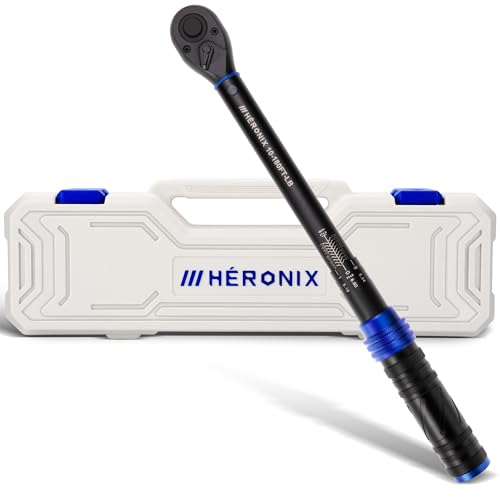 HERONIX 1/2 Inch Drive Click Torque Wrench, 10–180 Ft.Lb/13.6–244.0 Nm
Click-type wrench for lug nuts and anything with a torque spec. View on Amazon →
HERONIX 1/2 Inch Drive Click Torque Wrench, 10–180 Ft.Lb/13.6–244.0 Nm
Click-type wrench for lug nuts and anything with a torque spec. View on Amazon →
 Performance Tool W4070 Drain Pan, 7 Quart Capacity
Catches oil, coolant, and tank drips. View on Amazon →
Performance Tool W4070 Drain Pan, 7 Quart Capacity
Catches oil, coolant, and tank drips. View on Amazon →
Still need help? Ask an RV Mechanic
Get a personalized answer from a verified RV mechanic. Describe your specific issue and get step-by-step help for your rig.
Related Repair Guides
- Ford E-Series (E350/E450) RV Chassis: Complete Guide
- Ford F53 Chassis Complete Guide: Maintenance & Troubleshooting
- RV Flat Tire on Highway: Emergency Steps & Specialized Roadside Service Tips
- Ford E350 Dually Wheel Center Hole Size Guide: Front vs Rear Differences Explained
- RV Tires & Wheels: Complete Maintenance & Safety Guide
- Ford F53 Harsh Ride Fix: Shocks, Springs & Sway Bars
- Dutchstar Chassis Cracking Noise: Diagnosis & Repair Guide
- 2003 Ford F53 Wheel Bearing Grease: Best Products
- F53 Hydroboost Brake System Problems: Complete Repair & Troubleshooting Guide
- Which Dually Tire for RV Leveling Blocks? Inner vs Outer
Need More Help?
Try our free RV calculators and tools to help diagnose and plan your repairs.
Browse RV ToolsWeight calculator, electrical planner, propane estimator & more
