How to Install Heavy Battery in Ford F53 Chassis: Step-by-Step Guide Without Injury
Read full question
Quick Answer
Removing grill improves F53 battery access significantly. Use floor jack with wood block to lift 45lb battery to tray height, or get a helper. Battery carrier strap helps. Consider battery slide tray for future ease.
What's Going On
You're absolutely right to be thinking ahead about reinstalling that heavy battery (typically 50-70 pounds for Group 31) in your 2013 Georgetown 360 - the chassis battery location on F53 motorhomes is notoriously awkward. The battery tray sits in that tight space below the oil fill tube, making it one of the most challenging maintenance tasks on these coaches. Removing the grille is actually a smart approach and will give you significantly more working room. You'll also want to consider using a small hydraulic jack or even a floor jack with a piece of plywood to help lift and position the battery back onto the tray safely.
The key is having the right lifting strategy before you attempt to wrestle that heavy battery back into position. Many Georgetown owners have found that trying to muscle a 60-75 pound battery up into that cramped space without proper leverage leads to back strain, dropped batteries, or worse - damage to surrounding components.
Why This Happens
Ford designed the F53 chassis with the battery mounted in this location for weight distribution and accessibility during manufacturing, but they clearly didn't consider the average RV owner trying to service it in a campground. The oil fill tube positioning creates a perfect storm of limited access, and the battery tray height requires you to lift the battery up and over several obstacles while working in a confined space.
The 60-75 pound weight you're dealing with is typical for Group 31 AGM or flooded batteries commonly used in these chassis. When you factor in the awkward angle, limited grip options, and the need to precisely align the battery with the tray mounting points, it becomes clear why so many owners struggle with this task. The grille removal idea shows you understand that creating more working space is often the difference between a manageable repair and a frustrating ordeal.
Additionally, the tight quarters mean you can't use traditional battery handling tools effectively, and the risk of damaging the oil fill tube, nearby wiring, or other components is real if you're trying to force the battery into position.
Getting Ready
Start by disconnecting shore power and any battery chargers to prevent sparking during installation. Then remove the front grille - this typically involves 6-8 screws along the top edge and possibly some plastic clips along the bottom. Set it aside safely where it won't get scratched. You'll also want to gather a small hydraulic bottle jack (1/2 to 1 ton capacity), a piece of 3/4" plywood about 12"x12", and some rags to protect surfaces.
Clean the battery tray thoroughly while it's empty - this is the perfect time to check for corrosion and apply some dielectric grease to the mounting hardware. Inspect the battery hold-down clamp and hardware; replace any corroded pieces now rather than fighting with them while holding a heavy battery.
Have your safety gear ready: safety glasses, work gloves with good grip, and make sure you have stable footing. Cover the positive terminal with a rag or terminal protector to prevent accidental shorts during handling. Consider having a helper available, even if just to guide the battery while you handle the lifting mechanism. Position your tools and the charged battery nearby but out of the way of your lifting path.
Test-fit your jack and plywood setup before bringing the battery over. You want to verify that your jack can reach the right height and that the plywood platform is stable and won't slide off the jack head during the lift.
Walking Through the Fix
Position your hydraulic jack on a solid frame member or designated jacking point near the battery tray area with the plywood platform on top. Ensure the jack is on stable, level ground and the lifting point can support the load. Place the charged battery on the plywood, ensuring it's centered and stable. The beauty of this method is that you can raise the battery slowly and precisely, maintaining control throughout the process.
Pump the jack gradually, watching for any binding or instability. As the battery approaches tray level, you may need to make small adjustments to align it properly with the mounting points. The extra space from removing the grille will allow you to guide the battery from the front while controlling the jack height.
Once the battery is level with the tray, verify the terminal orientation matches your cable positions, then carefully slide it from the plywood onto the tray. This is where having removed the grille really pays off - you can reach in from multiple angles to guide the battery into its proper position. Connect the negative cable first, then the positive, and install the hold-down clamp.
Before lowering the jack, double-check that all connections are tight and the battery is properly secured. Remove the jack and plywood, then reinstall the grille. Test your electrical systems to confirm everything is working properly. The entire process should take about 45 minutes with the grille removal, compared to potentially hours of struggling without proper access.
Beyond DIY Territory
If you don't have access to a small hydraulic jack or feel uncomfortable with this lifting method, many RV service centers and even some auto parts stores will reinstall the battery for a reasonable fee - typically $25-50 (rough ballpark — actual cost varies by region, brand, and model year and changes over time, so get current quotes). This might be worth considering if you're dealing with any back issues or don't have a stable work surface.
Some Georgetown owners have permanently modified their setups by installing a battery slide-out tray system, which runs about $200-300 but makes future battery changes much easier. While this requires some fabrication work, it's a worthwhile upgrade if you plan to keep the RV for several years and want to handle your own maintenance.
Another option is switching to a lighter lithium battery, which would cut the weight nearly in half. However, this requires ensuring your charging system is compatible and typically runs $400-800 for a quality replacement. If your charging system needs updates anyway, this could be a good time to consider the upgrade.
Tools & Supplies You'll Need
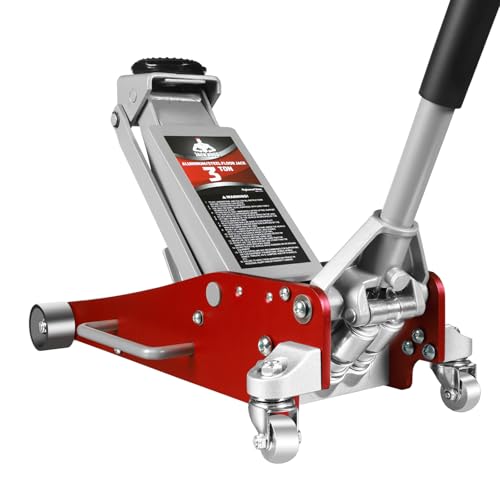 Jack Boss 3 Ton Low Profile, Aluminum and Steel Racing Floor Jack with Dual
Lifts the chassis for tire and suspension work. View on Amazon →
Jack Boss 3 Ton Low Profile, Aluminum and Steel Racing Floor Jack with Dual
Lifts the chassis for tire and suspension work. View on Amazon →
 CRAFTSMAN 230 Pcs Mechanics Tool Set, Socket Wrench Set, Car Tool Kit with
A broad SAE/metric socket-and-ratchet set covers most RV fasteners. View on Amazon →
CRAFTSMAN 230 Pcs Mechanics Tool Set, Socket Wrench Set, Car Tool Kit with
A broad SAE/metric socket-and-ratchet set covers most RV fasteners. View on Amazon →
Still need help? Ask an RV Mechanic
Get a personalized answer from a verified RV mechanic. Describe your specific issue and get step-by-step help for your rig.
Related Repair Guides
- RV Backup Camera Not Working? Complete Troubleshooting Guide
- RV Chassis Battery Draining & Dead Outlets - Troubleshooting
- RV Electrical Problems: 12V & 120V Troubleshooting Guide
- ECM Low Battery Warning RV: Complete Diagnosis & Fix Guide
- Protect Your RV Alternator When Charging Lithium
- RV 12V Lights Dimming: Complete Troubleshooting Guide
- RV 12V Auto Reset Breaker Size Guide: 30A, 40A, 50A Selection
- RV Shore Power Not Working: Complete Troubleshooting Guide
- No 12 Volt Power in RV: Complete Troubleshooting Guide
- RV DC Electrical System: Expert Guide to 12 Volt Systems
Need More Help?
Try our free RV calculators and tools to help diagnose and plan your repairs.
Browse RV ToolsWeight calculator, electrical planner, propane estimator & more
