F53 Rear Pinion Seal Replacement: Complete Dana 17060 RV Axle Repair Guide
Read full question
The more I dig into this, the more concerned I'm getting about the specialized tools needed and the precision required. I'm specifically wondering about the 650 lb torque specification, finding a socket that fits the nut and can work with a 1-inch drive, and the best method for removing a potentially loctited nut.
Is this realistically a DIY job for someone with decent mechanical skills? I've already marked my components for driveline alignment, but I'm unsure about seal removal tools, whether to use heat for nut removal, and if I should use loctite when reinstalling.
Is this something I should attempt myself or just pay for professional work? How long does this type of repair typically take, and what am I really looking at in terms of complexity?
Quick Answer
Replacing an F53 rear pinion seal requires specialized tools including a 1-inch drive socket, torque multiplier, and seal pullers. This is a complex 6-8 hour job that many RV owners should consider having done professionally due to the precise torque requirements and driveline balancing concerns.
The Rundown
Yes, the rear pinion seal on your 2018 Allegro 32SA with the Dana 17060 axle can be replaced, but it's a challenging job that requires specific tools and expertise. Based on your 14,000 miles and the symptoms you're describing, this is likely a warranty-eligible repair that should cost $800-1,200 (rough ballpark — actual cost varies by region, brand, and model year and changes over time, so get current quotes) in labor if done professionally. The torque specification should be verified with Dana specifications (typically 400+ ft-lbs for this axle), and you're smart to mark the driveline components for proper phasing. The main challenges you'll face are accessing the pinion nut (which requires a special deep socket), removing the old seal without damaging the housing, and achieving the precise torque specification without a hydraulic torque wrench.
Dana does not typically use Loctite on the pinion nut from the factory - the high torque specification provides the retention. However, some aftermarket repairs may have used thread locker. The nut removal is purely mechanical, so heat isn't necessary and could damage seals in the differential. Your biggest hurdle will be finding the right socket - you need a 1-5/8" deep impact socket (Snap-On part #IM525 (verify the exact part number for your specific model and year with the manufacturer or dealer — generic numbers may not fit) or equivalent) that's specifically designed for pinion nuts.
Why It Happens
Pinion seal failure on Dana axles typically occurs due to normal wear, especially on heavier RVs like your 24,000 lb frame Allegro. The constant rotation and pressure changes from braking and acceleration cause the seal lip to wear against the pinion yoke. In your case with only 14,000 miles, this could be a manufacturing defect in the seal or improper installation during assembly.
The Dana 17060 axle uses a spring-loaded lip seal that relies on precise contact pressure against the yoke surface. Any scoring, wear, or contamination on the yoke surface will cause premature seal failure. Road debris, improper differential fluid levels, or overfilling can also contribute to seal degradation. Given your low mileage, I'd suspect either a defective seal or possible overfilling of the differential during manufacture.
Temperature cycling also plays a role - the seal material hardens and becomes less flexible over time, especially in extreme weather conditions. Your F53 chassis experiences significant temperature variations between the engine bay heat and road surface cooling, which can accelerate seal aging even with low mileage.
Gather These Items
For the socket issue you're facing, you need a 1-7/16" deep impact socket, 1" drive (consult Dana specifications to verify exact size for your specific axle). Snap-On, Proto, or Williams equivalent sockets will work. These run $80-120 but are essential. Your torque multiplier will work, but ensure it's calibrated for the proper specification (consult Dana manual for exact torque). You'll also need a pinion holding tool (Kent-Moore J-8614-3 or equivalent) to prevent the pinion from rotating during removal.
For seal removal, you'll need a seal puller set - Lisle #51750 works well for pinion seals. Don't try to pry it out with screwdrivers as you'll damage the housing. The new seal requires a seal driver - you can use a large socket that matches the outer diameter of the seal or rent/buy a proper seal driver set. OTC #4530 is a popular choice for differential work.
Other essential items include: new pinion seal (verify correct part number for Dana 17060 - consult Dana specifications), differential fluid (80W-90 gear oil meeting Dana specifications for the 17060 axle), clean rags, brake cleaner for surface prep, and a way to catch the old fluid. If the yoke shows any scoring, you'll need 600-grit sandpaper or a yoke repair kit.
The Fix
Start by supporting the rear of the RV securely and removing the driveshaft - your marking system is perfect for maintaining phase relationships. The pinion area should be accessible without removing brake components. Drain the differential fluid first to avoid contamination and mess during the repair process.
Before loosening the pinion nut, mark the nut position and measure pinion bearing preload using an inch-pound torque wrench (record the rotational torque needed to turn the pinion) for reassembly reference. Using your pinion holding tool, remove the pinion nut with your deep socket and torque multiplier. Work slowly and steadily - the nut should come off without heat or chemicals since Dana doesn't typically use Loctite here. Remove the washer and pull the yoke using a proper puller (never hammer on it). Inspect the yoke sealing surface carefully for scoring or wear.
Remove the old seal using your seal puller, working from multiple points to avoid cocking the seal in the bore. Clean the seal bore thoroughly with brake cleaner and inspect for damage. Install the new seal using your seal driver, ensuring it seats fully and evenly - the seal face should be flush with the housing surface. Lightly coat the seal lip with gear oil before installation.
Reassemble in reverse order: install yoke (check for proper pinion depth), install washer and nut, torque to manufacturer specification using your multiplier. The critical part is achieving this exact torque - too little and the seal will leak, too much and you'll damage the pinion bearings. Refill with the specified gear oil and test for leaks after a short drive. Total time with proper tools: 4-6 hours for an experienced DIYer.
Know Your Limits
This repair requires significant expertise and specialized tools that cost more than professional labor rates. The pinion depth setting is critical - if you disturb the pinion position during disassembly, you'll need to reset the gear mesh pattern, which requires additional tools and expertise. Most shops charge $800-1,200 for this repair, and given your low mileage, this should be covered under warranty.
The correct torque specification is not negotiable - insufficient torque leads to immediate seal failure and possible bearing damage, while excessive torque can crush the pinion bearing races. Without a calibrated hydraulic torque wrench or high-quality torque multiplier, achieving this specification accurately is nearly impossible. The cost of proper tools often exceeds the shop labor cost.
Consider that if anything goes wrong during disassembly - damaged threads, distorted housing, or altered pinion depth - you're looking at a complete differential rebuild costing $2,000-3,000. For a 2018 unit with 14,000 miles, I'd strongly recommend pursuing warranty coverage first, then getting quotes from shops experienced with Dana axles. The specialized socket alone costs more than many shops charge for diagnostic time.
Tools & Supplies You'll Need
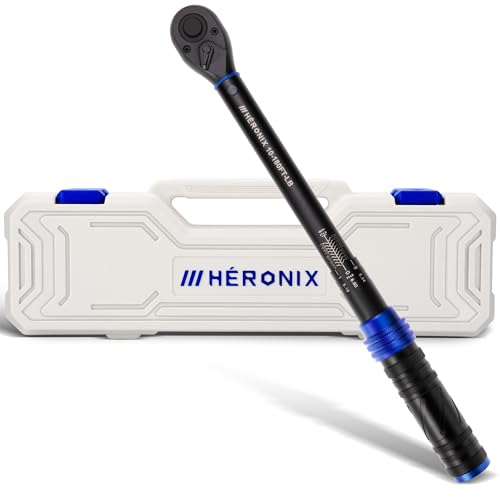 HERONIX 1/2 Inch Drive Click Torque Wrench, 10–180 Ft.Lb/13.6–244.0 Nm
Click-type wrench for lug nuts and anything with a torque spec. View on Amazon →
HERONIX 1/2 Inch Drive Click Torque Wrench, 10–180 Ft.Lb/13.6–244.0 Nm
Click-type wrench for lug nuts and anything with a torque spec. View on Amazon →
 BIG RED T43202 Torin Heavy Duty Steel Jack Stands: 3 Ton (6,000 lb) Capacity
Hold the rig up safely once it is lifted. View on Amazon →
BIG RED T43202 Torin Heavy Duty Steel Jack Stands: 3 Ton (6,000 lb) Capacity
Hold the rig up safely once it is lifted. View on Amazon →
Still need help? Ask an RV Mechanic
Get a personalized answer from a verified RV mechanic. Describe your specific issue and get step-by-step help for your rig.
Related Repair Guides
- Ford E450 V10 Reliability: Expected Mileage and Longevity Guide for RV Owners
- Newmar Motorhome Rough Ride Fix: Suspension & Air Pressure
- Ford V10 Triton Engine Maintenance Guide: EGR Delete vs Regular Service Tips
- Ford V10 Turbo Kit for Motorhomes: Cost, Risks & Better Alternatives
- Ford E450 Inertia Switch Location Guide - Find Your RV's Fuel Cutoff Reset Point
- Onan 5500 Generator Problems: Complete Repair Guide
- Fleetwood Excursion Tire Upgrade Guide: 255 to 275 Width Conversion
- Ford E-350 vs E-450 RV Chassis: Fuel, Power & Weight
- Ford F53 7.5L RV Won't Start: Fuel Pump Relay Voltage Drop Fix
- Generac 7.5kW Diesel Generator Repair Guide - RV Troubleshooting
Need More Help?
Try our free RV calculators and tools to help diagnose and plan your repairs.
Browse RV ToolsWeight calculator, electrical planner, propane estimator & more
