How to Add a Second Battery Charger to Your RV: Safe Installation Guide
Read full question
I tried this before and completely fried my power supply because I tapped into the existing converter wiring through the service panel. The positive lead went to the battery disconnect switch and negative to the main grounding bus, but something went terribly wrong when I started charging. The same charger works perfectly fine when I connect it directly to the batteries with alligator clips, so I know the unit itself is good.
Before I make another expensive mistake, what's the proper way to wire in a second charger? Should I be tapping into the panel at all, or is there a completely different approach I should be taking? I really need this setup to work reliably.
Quick Answer
Connect second charger directly to battery terminals with own fusing. Do not tap into existing converter wiring. Each charger needs independent AC input. Consider replacing failing WFCO with single better unit instead of adding second charger.
Quick Take
You likely fried your power supply because you connected the positive lead to the battery disconnect switch, which created a feedback loop or voltage spike when your failing WFCO converter was still connected to the system. The safest approach is to connect your secondary charger's positive lead directly to the main battery positive bus bar (usually a large red terminal strip) and the negative to the main 12V negative/ground bus bar in your service panel. This bypasses the disconnect switch and prevents conflicts with your existing WFCO unit. Since your charger works fine with alligator clips directly on the batteries, the wiring path through the service panel should work identically - the issue was likely the connection point, not the charger itself.
Common Causes
The most common cause of power supply damage in this scenario is connecting to the wrong side of the battery disconnect switch. When you connected your positive lead to the disconnect switch, you were essentially creating reverse current flow through the switch while your WFCO converter was potentially still active on the other side. This can create ground loops, voltage spikes, or conflicting charge profiles that damage sensitive electronics.
Another frequent issue is connecting the negative lead to a ground point that doesn't handle the full charging current. Some 12V ground points in RV service panels are designed for low-amperage accessories, not high-current charging. Using an inadequate ground connection can cause voltage drops, overheating, and component failure.
Your aging WFCO converter may also be causing voltage irregularities in the system. These older units often develop issues with their voltage regulation, and adding a second charger to an unstable electrical environment can cause unpredictable interactions that damage equipment.
Preparation
Before making any connections, turn off your main breaker and disconnect your batteries using the battery disconnect switch. Note that the disconnect switch isolates the load side but not the battery side where charging systems connect, so verify batteries are truly isolated before working. Take photos of your current service panel wiring before you start - this will help you identify the correct connection points and restore everything if needed.
Locate the main battery positive bus bar in your service panel. This is typically a large red terminal block or heavy gauge red wire junction where multiple positive feeds connect. It should be on the battery side of the disconnect switch, not the load side. Similarly, find the main negative/ground bus bar - usually a large metal strip with multiple ground wires attached.
Test your secondary charger on a separate 12V battery first to ensure it's still functioning properly after the previous incident. Use your existing alligator clips to verify it's producing the correct voltage and current. Inspect your 10AWG wire and XT90 connector for any damage from the previous failure.
Consider temporarily disconnecting your WFCO converter while testing the new setup by turning off its dedicated breaker in the main panel or disconnecting its AC input power - consult your converter's manual for proper shutdown procedure. This eliminates any potential conflicts between the two charging systems and helps isolate problems if they occur.
Repair Steps
Connect the positive lead from your secondary charger to the main battery positive bus bar in the service panel - this is the same point where your battery cables connect before going to the disconnect switch. This is the battery side of the disconnect switch. Do not connect to the switch itself or anywhere on the load side, as chargers must remain connected to batteries even when the disconnect switch is off. Use an appropriate ring terminal on your 10AWG wire and ensure a tight, secure connection.
For the negative connection, attach to the main 12V negative bus bar where your battery negative cables terminate. This should be a substantial grounding point that can handle your charger's full output current. Avoid smaller ground points used for accessories or lighting circuits.
Install an appropriately sized fuse or breaker in the positive line as close to the connection point as possible. For a typical RV battery charger, this should be rated at least 125% of the charger's maximum output current for continuous duty applications, though 150-200% may be appropriate depending on manufacturer specifications. Most RV battery chargers range from 10-60 amps, so fuses typically range from 15-75 amps - check your specific charger's specifications. This protects both your charger and the RV's electrical system.
Mount your XT90 connector in an accessible but protected location inside the service panel area. Ensure it won't interfere with other components and can handle the environmental conditions. Test the installation by connecting your charger with batteries connected but no other loads running, then gradually add normal loads to verify proper operation.
Once everything tests properly, you can reconnect your WFCO converter. Monitor the system carefully during initial use to ensure both charging systems can coexist without conflicts. Your failing WFCO may need to be completely disconnected if it continues to cause problems.
When to Get Help
Call a professional RV technician if you're not completely confident identifying the main battery bus bars in your service panel. Connecting to the wrong points can damage expensive components or create safety hazards. The investment in professional installation is much less than replacing damaged converters, inverters, or other electronics.
Get professional help if your service panel layout is unusual or if you have multiple battery banks with complex switching arrangements. Some RVs have sophisticated electrical systems that require specific connection procedures to avoid conflicts between charging sources.
Consider having your entire electrical system inspected if you continue to have problems with your WFCO converter or experience any other electrical anomalies. Aging RV electrical systems can develop multiple issues simultaneously, and a comprehensive evaluation can prevent future failures and safety concerns.
Tools & Supplies You'll Need
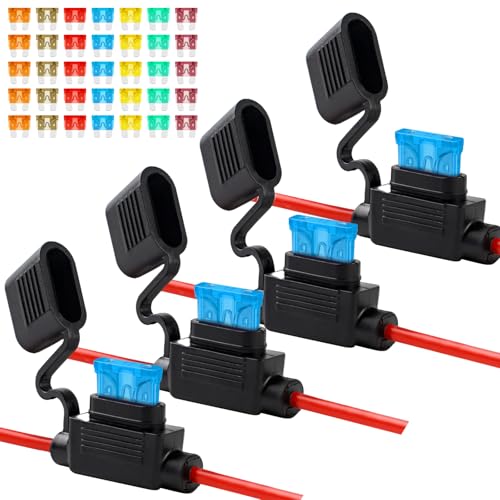 Cooclensportey 4 Pack 12AWG Inline Fuse Holder, Waterproof Fuse Holder with
Protects any 12V accessory run you add to the rig. View on Amazon →
Cooclensportey 4 Pack 12AWG Inline Fuse Holder, Waterproof Fuse Holder with
Protects any 12V accessory run you add to the rig. View on Amazon →
 AstroAI Digital Multimeter and Analyzer TRMS 6000 Counts Volt Meter Ohmmeter
Reads volts, continuity, and resistance — the #1 tool for tracing 12V faults. View on Amazon →
AstroAI Digital Multimeter and Analyzer TRMS 6000 Counts Volt Meter Ohmmeter
Reads volts, continuity, and resistance — the #1 tool for tracing 12V faults. View on Amazon →
Still need help? Ask an RV Mechanic
Get a personalized answer from a verified RV mechanic. Describe your specific issue and get step-by-step help for your rig.
Related Repair Guides
- RV Backup Camera Not Working? Complete Troubleshooting Guide
- RV Chassis Battery Draining & Dead Outlets - Troubleshooting
- RV Electrical Problems: 12V & 120V Troubleshooting Guide
- ECM Low Battery Warning RV: Complete Diagnosis & Fix Guide
- Protect Your RV Alternator When Charging Lithium
- RV 12V Lights Dimming: Complete Troubleshooting Guide
- RV 12V Auto Reset Breaker Size Guide: 30A, 40A, 50A Selection
- RV Shore Power Not Working: Complete Troubleshooting Guide
- No 12 Volt Power in RV: Complete Troubleshooting Guide
- RV DC Electrical System: Expert Guide to 12 Volt Systems
Need More Help?
Try our free RV calculators and tools to help diagnose and plan your repairs.
Browse RV ToolsWeight calculator, electrical planner, propane estimator & more
