RV Mirror Mounting Screws Rusting: Prevention & Replacement Guide
Read full question
The mirror assembly mounts directly to a fiberglass sidewall surface, which presents specific torque considerations to avoid stress cracking. What type of replacement screws and installation procedures should I implement to ensure long-term durability and prevent future corrosion issues? I'm particularly concerned about material selection and proper installation techniques for this application.
Quick Answer
Replace rusty RV mirror screws with stainless steel hardware to prevent future corrosion. Clean mounting surfaces, use thread locker, and do not overtighten on fiberglass surfaces.
What's Going On
Based on your description of rusty screws and the fact that NIRVC has replaced this mirror twice, it sounds like they may not have used the proper mounting hardware for your heavy driver's side mirror. The rust formation you're seeing is a dead giveaway that either the wrong type of screws were used, or the proper sealing and weatherproofing wasn't done during installation. When you mention finding one of the little caps on the ground, this suggests the decorative covers that hide the mounting screws have come loose, which often happens when the underlying fasteners aren't properly secured or sealed.
Large RV mirrors, especially power-adjustable ones, can weigh anywhere from 3-15 pounds and create significant wind load when driving. They require specific mounting hardware - typically stainless steel or zinc-plated screws with proper length and thread pitch, along with backing plates or reinforcement behind the fiberglass sidewall. If NIRVC used standard steel screws without proper corrosion resistance or didn't match the original equipment specifications, you'd definitely see the rust issues you're describing, especially after being exposed to weather for several weeks since your driveway incident.
The fact that this mirror has been replaced twice at the same facility raises some red flags about their installation procedures. Quality RV mirror installations should use marine-grade sealants, proper torque specifications, and hardware that matches or exceeds the original manufacturer's specifications. The repeated failures suggest either inadequate hardware selection or poor installation technique.
Why This Happens
RV mirror mounting failures typically stem from several common issues that unfortunately occur more often than they should at repair facilities. The primary culprit is usually improper hardware selection, where technicians grab whatever screws are readily available rather than sourcing the correct OEM or equivalent fasteners. Your situation with NIRVC suggests this exact problem - they may be using generic hardware from their parts bin instead of the specific mounting kit designed for your RV's make and model.
The rusting you're observing indicates several possible problems with the installation:
- Use of non-stainless steel screws without proper zinc plating or coating
- Inadequate thread locker or sealant application around the fastener entry points
- Missing or improperly installed rubber gaskets that should prevent water intrusion
- Incorrect torque specifications that either strip threads or fail to properly compress sealing materials
- Failure to use backing plates or reinforcement washers behind thin fiberglass sidewalls
Heavy mirrors create dynamic loading from wind forces, road vibration, and the occasional bump like you experienced in your driveway. When the mounting hardware isn't up to spec, these forces gradually work the fasteners loose, allowing water intrusion that leads to corrosion. The decorative caps you mentioned serve both aesthetic and protective functions - when they come off, it accelerates the deterioration process by exposing the screw heads directly to the elements.
Another factor contributing to failures is the difference between original factory installation and field replacement. Factory installations typically use specialized rivets, structural adhesives, or mounting systems that aren't easily replicated in the field. Repair facilities often have to adapt their installation methods, and if they cut corners on materials or technique, you get exactly the problems you're experiencing.
Getting Ready
Before attempting any repairs or confronting NIRVC about their work, you'll want to document the current condition thoroughly and gather the right materials for a proper fix. Start by taking detailed photos of the mirror mounting area from multiple angles, focusing on the rusty screws, any gaps around the mounting points, and the overall condition of the mirror housing. These photos will be valuable if you need to make a warranty claim or demonstrate the inadequate installation to the repair facility.
To properly assess what you're dealing with, you'll need some basic tools and materials:
- Digital camera or smartphone for documentation
- Flashlight or LED work light for close inspection
- Small mirror or inspection camera to see behind the mounting area
- Wire brush or fine steel wool for cleaning corroded areas (use caution around fiberglass or painted surfaces to avoid scratching)
- Penetrating oil like PB Blaster or Liquid Wrench
- Basic socket set and screwdrivers for hardware removal
Research your RV's specific mirror mounting requirements by checking your owner's manual, contacting the chassis manufacturer, or looking up parts diagrams online. You'll want to identify the correct part numbers for mounting hardware, which typically includes specific length stainless steel screws, backing washers, rubber gaskets, and thread sealant specifications. Many RV manufacturers publish technical service bulletins or parts catalogs that show the exact hardware requirements for mirror installations.
If you're planning to address this yourself, source proper marine-grade mounting hardware from a reputable RV parts supplier or the mirror manufacturer directly. Don't rely on generic hardware store screws - RV applications require specific corrosion resistance that standard fasteners simply don't provide. Use automotive/RV-grade stainless steel hardware, as marine-grade hardware is optimized for saltwater conditions and may not be necessary for typical RV use. You'll also want to have marine-grade or automotive-grade silicone sealant, thread locker compound, and replacement decorative caps on hand before starting any work.
Walking Through the Fix
The proper repair process starts with complete removal of the existing hardware to assess the damage and clean up any corrosion. Begin by carefully removing the decorative caps if any remain attached - these often pop off with gentle prying, but some may be threaded or require specific tools. Once exposed, spray all the rusted screws with penetrating oil and let it work for at least 15-20 minutes before attempting removal.
For power mirrors, first disconnect the electrical connector inside the door frame before proceeding with hardware removal. Remove the screws systematically, working from outside to center to maintain mirror stability as long as possible. You may need someone to support the mirror from the outside while you work on the mounting hardware. As you remove each fastener, inspect both the screw condition and the mounting hole integrity. Look for elongated holes, cracked fiberglass, or other signs of structural damage that might require additional repair before reinstalling the mirror.
The cleaning and preparation phase is critical for a lasting repair:
- Clean all mounting holes with a wire brush or small bottle brush to remove rust debris and old sealant
- Inspect the fiberglass around each mounting point for stress cracks or damage
- Check behind the mounting area if possible to ensure adequate backing material exists
- Clean the mirror mounting surface with degreaser and allow to dry completely
- Apply primer to any bare metal or fiberglass areas that will contact new hardware
For the reinstallation, use only marine-grade stainless steel screws of the proper length and diameter. The screws should engage the backing structure without bottoming out in the hole, typically requiring 3/4 to 1 inch of thread engagement beyond the fiberglass thickness. Apply a small amount of marine-grade thread sealant to each screw before installation, but avoid over-application which can interfere with proper torque values.
Install the screws in a star pattern, gradually tightening to the manufacturer's specified torque - typically 15-25 foot-pounds for mirror mounting applications. Over-tightening can crack the fiberglass or strip threads, while under-tightening allows water intrusion and loosening over time.-tightening can crack the fiberglass or strip threads, while under-tightening allows water intrusion and loosening over time. Finally, install new decorative caps to protect the hardware from the elements.. After achieving proper torque, apply a small bead of marine-grade silicone sealant around each screw head, then install the decorative caps while the sealant is still workable.
Beyond DIY Territory
While many RV owners can handle basic mirror mounting repairs, several aspects of your situation suggest professional intervention might be necessary. The fact that NIRVC has already performed two replacements and used inadequate hardware indicates a systemic problem with their installation procedures that goes beyond simple oversight. This is particularly concerning given that proper mirror mounting is a safety-critical repair - a failed mirror at highway speeds could cause a serious accident.
Contact NIRVC's service manager to discuss the recurring problems with your mirror installation. Document your concerns in writing, referencing the rust issues, inadequate hardware, and the pattern of repeated failures. A reputable repair facility should stand behind their work and be willing to correct installation defects, especially when they've had multiple opportunities to get it right. If they're unwilling to address the problem or continue using substandard hardware, consider escalating to their corporate customer service or seeking repairs elsewhere.
There are several scenarios where professional repair becomes essential rather than optional. If your inspection reveals structural damage to the RV sidewall around the mounting points, you'll need fiberglass repair expertise before any mirror can be safely installed. Similarly, if the mounting area lacks adequate backing material or reinforcement, a professional may need to install backing plates or structural reinforcement from inside the sidewall.
Some RV mirrors also incorporate electrical connections for power adjustment, heating, or turn signals that require specific routing and weatherproofing techniques. If your mirror includes these features, improper electrical connections could lead to corrosion, short circuits, or complete system failures that affect other RV electrical components. Professional installation ensures these connections are made correctly and sealed against moisture intrusion.
When evaluating repair facilities, look for shops that specialize in RV work and have experience with your specific chassis or RV manufacturer. Ask about their warranty policies for mirror installations and whether they stock OEM or equivalent mounting hardware. A quality facility should be able to show you the specific hardware they plan to use and explain how it meets or exceeds original specifications.
Consider also that repeated mirror damage at the same facility raises questions about their lot management and employee training. Professional RV service centers should have protocols to prevent damage during storage and movement, and incidents like someone hitting your parked RV with another vehicle suggest inadequate supervision or training. This pattern of problems might indicate it's time to find a different service provider who takes better care of customer vehicles and uses proper installation techniques.
Tools & Supplies You'll Need
 Amartisan 10-Piece Magnetic Screwdrivers Set, 5 Phillips and 5 Slotted Tips
Phillips, flat, and Torx tips for panels, trim, and appliances. View on Amazon →
Amartisan 10-Piece Magnetic Screwdrivers Set, 5 Phillips and 5 Slotted Tips
Phillips, flat, and Torx tips for panels, trim, and appliances. View on Amazon →
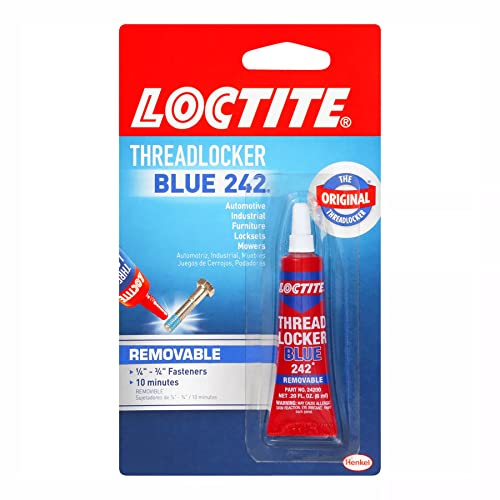 Loctite Threadlocker Blue 242 - Removable Thread Lock Glue for Nuts, Bolts, &
Keeps vibration from backing out critical bolts. View on Amazon →
Loctite Threadlocker Blue 242 - Removable Thread Lock Glue for Nuts, Bolts, &
Keeps vibration from backing out critical bolts. View on Amazon →
Still need help? Ask an RV Mechanic
Get a personalized answer from a verified RV mechanic. Describe your specific issue and get step-by-step help for your rig.
Related Repair Guides
- How to Repair RV Roof Soft Spots: Fix Water-Damaged Wood Step-by-Step Guide
- RV Rubber Roof Bubbling? How to Repair EPDM Separation
- RV Sidewall Blistering & Delamination Repair Guide
- DIY RV Basement Door Paint Repair: Complete Guide & Cost Analysis
- Fix Cracked Dometic RV AC Covers & Roof Vents
- How to Replace RV Slide Topper Fabric: Complete DIY Guide
- Kwikee RV Steps Not Working? Complete Troubleshooting Guide
- Carefree RV Awning Spring and Arm Replacement Guide - Model Compatibility Tips
- RV Roof Leak Around Air Conditioner: Complete Repair Guide
- How to Fix a Seized RV Side Mirror - Complete Repair Guide
Need More Help?
Try our free RV calculators and tools to help diagnose and plan your repairs.
Browse RV ToolsWeight calculator, electrical planner, propane estimator & more
