How to Replace a Broken RV Front Shock Mount - Part ID Guide
Read full question
What is the proper procedure for identifying and sourcing this type of suspension mounting hardware? The bracket sits adjacent to part 3A010 in the assembly and appears to be a critical structural component for proper shock absorber attachment.
Quick Answer
Shock mount bracket requires chassis-specific part number. Contact chassis dealer with VIN for correct part, or have a fabrication shop make one from the broken original as template.
Short Answer
The grayed-out part you're looking at is most likely the shock absorber mounting bracket or shock mount assembly. Since it's shown without a part number in your diagram and sits directly below bracket 3A010, this is typically an integral part of the frame or suspension assembly that may not be sold separately. You'll need to contact your RV manufacturer's parts department with your VIN number and the diagram you're referencing to get the exact part number and availability for this shock mounting component.
Understanding the Problem
When front shock mounting points break off, common causes include metal fatigue, corrosion, or excessive stress from road conditions. The fact that this part is grayed out in your diagram typically indicates it's either a non-serviceable component, part of a larger assembly, or a structural element that's welded to the frame.
The location you're describing - right below bracket 3A010 - suggests this is the lower shock mount or tower that connects to the axle assembly. These mounting points experience significant stress during normal operation, especially on rough roads, which can lead to metal fatigue and eventual failure. Since you can see it in the diagram but it lacks a part number, the manufacturer may consider it part of a larger subassembly.
Exact part identification depends on your RV's make, model, year, and class type. Class A RVs typically use independent front suspension with different mounting configurations than Class B and C RVs which often use solid front axles. The positioning relative to bracket 3A010 gives us important clues about what we're dealing with. This type of failure is more common on older RVs or those that have seen heavy use on rough terrain.
What You'll Need
To properly identify and replace this part, you'll need your RV's complete identification information including the VIN number, make, model, year, and chassis type. Take clear photos of the broken mounting point from multiple angles, including the area where it connects to both the shock absorber and the frame or axle assembly.
Contact your chassis manufacturer's parts department first (such as Ford, Freightliner, or Workhorse), as they supply the suspension components and have access to complete exploded diagrams with all part numbers. If the chassis manufacturer cannot supply the part, then contact your RV manufacturer's parts department or try RV parts specialists and salvage yards.
You may also need to reach out to RV salvage yards or specialty suspension shops that work on commercial vehicles, as they often have experience with these hard-to-find mounting components. Some shops can fabricate replacement mounting brackets if the original part is no longer available.
Keep that diagram handy when making calls, and be prepared to provide the part numbers of surrounding components, as this will help parts specialists locate the correct mounting assembly in their systems.
How to Fix It
SAFETY WARNING: Before beginning work, ensure the RV is on level ground with wheels chocked. Use proper jack stands rated for your RV's weight and place them on solid, manufacturer-designated support points on the axle assembly. Never work under an RV supported only by jacks, as this can result in serious injury or death.
Once you've identified the correct part, the replacement process will depend on whether it's a bolt-on component or requires welding. If it's a bolt-on shock tower, you'll need to support the axle assembly safely with jack stands before removing the old mounting hardware and shock absorber.
Remove the shock absorber first by unbolting it from both the upper and lower mounting points. Take photos before disassembly to ensure proper reinstallation. Clean the mounting area thoroughly and inspect surrounding components for signs of stress or damage that might have contributed to the original failure.
SAFETY WARNING: If the replacement part requires welding, this becomes a much more complex repair that affects the structural integrity of your RV. The mounting point must be properly aligned and welded with appropriate techniques to handle the stress loads. Any welding on suspension components should meet or exceed the original manufacturer's specifications.
After installation, torque all mounting bolts to manufacturer specifications and perform a thorough inspection of the entire suspension system. Test the repair carefully with light driving before returning to normal use, and recheck all mounting hardware after the first 100 miles of driving.
Leave It to the Experts
This type of suspension mounting repair often requires specialized knowledge of RV chassis design and may involve structural welding that affects safety. If the mounting point is welded to the frame or requires fabrication, it's definitely a job for a qualified RV service center or heavy-duty truck repair facility.
Professional shops have access to manufacturer databases, proper welding equipment, and the experience to ensure the repair meets safety standards. They can also inspect the entire suspension system to identify any underlying issues that may have caused the original failure, potentially preventing future problems.
Given that this involves your RV's suspension system and directly affects handling and safety, the cost of professional repair is usually justified. A properly executed professional repair will also maintain your RV's structural integrity and may be required to maintain any remaining warranty coverage.
If you decide to proceed with professional repair, get quotes from shops that specialize in RV or commercial vehicle work, as they'll be more familiar with these types of mounting assemblies and have better access to replacement parts than general automotive shops.
Tools & Supplies You'll Need
 CRAFTSMAN 230 Pcs Mechanics Tool Set, Socket Wrench Set, Car Tool Kit with
A broad SAE/metric socket-and-ratchet set covers most RV fasteners. View on Amazon →
CRAFTSMAN 230 Pcs Mechanics Tool Set, Socket Wrench Set, Car Tool Kit with
A broad SAE/metric socket-and-ratchet set covers most RV fasteners. View on Amazon →
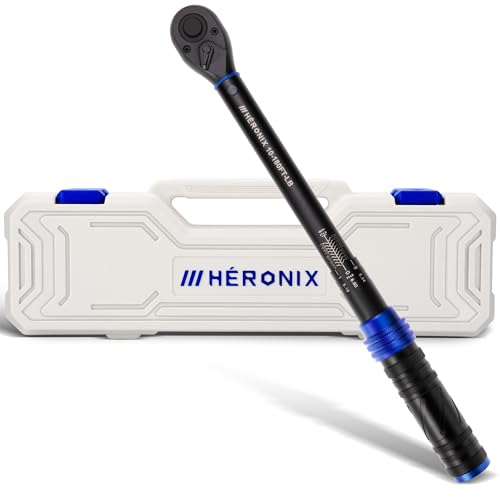 HERONIX 1/2 Inch Drive Click Torque Wrench, 10–180 Ft.Lb/13.6–244.0 Nm
Click-type wrench for lug nuts and anything with a torque spec. View on Amazon →
HERONIX 1/2 Inch Drive Click Torque Wrench, 10–180 Ft.Lb/13.6–244.0 Nm
Click-type wrench for lug nuts and anything with a torque spec. View on Amazon →
Still need help? Ask an RV Mechanic
Get a personalized answer from a verified RV mechanic. Describe your specific issue and get step-by-step help for your rig.
Related Repair Guides
- RV Liquid Spring Adjustment Guide: Setup & Tuning Tips
- How to Reduce RV Interior Noise: Complete Sound Dampening Guide for Motorhomes
- RV Storage on Gravel: Preventing Weed and Moisture Issues
- How to Remove Firefly RV Control Panel: Complete DIY Guide
- Best Cummins 6.7 Scan Tools for RV Diesel & DPF Regen
- How to Find Reliable RV Repair Shops: Expert Tips & Red Flags to Watch Out For
- Best Mobile RV Repair Apps and Services: Complete Guide
- Prevost vs Newell vs Foretravel vs King Aire: Which to Buy?
- RV Slide-Out Maintenance: Complete Guide to Prevent Wear and Extend Lifespan
- RV Infotainment System Update: Step-by-Step Safety
Need More Help?
Try our free RV calculators and tools to help diagnose and plan your repairs.
Browse RV ToolsWeight calculator, electrical planner, propane estimator & more
