RV Burnt Breaker: Causes, Repair & Prevention Guide
Read full question
When I disconnected shore power and investigated, I found the main 30 amp breaker was completely burnt at the lug connection. The strange part is there was very minimal 120V load at the time - just the converter and microwave clock running. No major appliances were on, nothing plugged into outlets, and the batteries were fully charged with solar handling most of the power consumption.
What typically causes RV breakers to burn out like this when there's so little electrical load? Should I be concerned about replacing just the breaker, or does this indicate a larger problem with the entire electrical panel? I want to make sure I address the root cause before hitting the road again.
Quick Answer
A burnt RV breaker is typically caused by loose connections, overloading, or age-related deterioration. Replace the damaged breaker and inspect the entire panel for safety, as loose connections are the most common culprit in low-load situations.
In Brief
Nothing ruins a peaceful RV camping trip faster than discovering your electrical panel has a burnt, melted breaker that's left you without power. You'll need to replace the damaged breaker and carefully inspect the panel for other loose connections. Given the damage shown, consider replacing the entire panel for safety.
Your Toolkit
- Replacement 30-amp double breaker (Square D QO or equivalent)
- New electrical panel (if replacing entire unit)
- Wire strippers and electrical pliers
- Multimeter
- Wire nuts or electrical connectors
- Electrical tape
- Torque screwdriver or torque wrench
- Safety glasses and insulated gloves
The Repair Process
- Disconnect all power sources: Turn off the main breaker, unplug shore power and turn off the battery disconnect switch. Verify with a multimeter that no power is present.
- Remove the panel cover: Carefully remove screws holding the breaker panel cover, noting wire positions with photos.
- Inspect all connections: Look for other signs of overheating, discoloration, or loose connections throughout the panel.
- Remove the damaged breaker: Disconnect wires from the burnt breaker, noting their original positions. Remove the breaker from the panel.
- Clean connection points: Use fine sandpaper or wire brush to clean corrosion from the bus bar and wire ends.
- Install new breaker: Verify the replacement breaker is compatible with your RV's electrical system and panel type. Mount the replacement breaker and reconnect wires. Torque connections to manufacturer specifications (typically 10-15 inch-pounds for RV breakers, check your specific breaker's requirements).
- Replace panel cover and test: Replace the panel cover, then test the system under light load to ensure proper operation.
- Monitor initially: Check the repair frequently during your first few days of use, feeling for excessive heat.
Red Flags That Need a Pro
Contact a certified RV technician if:
- You find multiple burnt or damaged connections
- The main electrical feed wires are damaged
- You're uncomfortable working with electrical systems
- Your EMS begins showing voltage or frequency problems
- You smell burning odors after the repair
Ongoing Maintenance
- Annual inspections: Check all electrical connections yearly for tightness and corrosion
- Use dielectric grease: Apply to connections to prevent corrosion
- Monitor your EMS: Watch for voltage fluctuations that indicate connection problems
- Avoid over-torquing: Too tight can damage connections; too loose allows heating
- Keep the panel dry: Ensure good ventilation and seal any moisture entry points
Tools & Supplies You'll Need
 AstroAI Digital Multimeter and Analyzer TRMS 6000 Counts Volt Meter Ohmmeter
Reads volts, continuity, and resistance — the #1 tool for tracing 12V faults. View on Amazon →
AstroAI Digital Multimeter and Analyzer TRMS 6000 Counts Volt Meter Ohmmeter
Reads volts, continuity, and resistance — the #1 tool for tracing 12V faults. View on Amazon →
 IRWIN Vise-Grip Wire Stripper, 2 Inch Jaw, Cuts 10-24 AWG, ProTouch for
Strips and crimps in one tool — clean connections every time. View on Amazon →
IRWIN Vise-Grip Wire Stripper, 2 Inch Jaw, Cuts 10-24 AWG, ProTouch for
Strips and crimps in one tool — clean connections every time. View on Amazon →
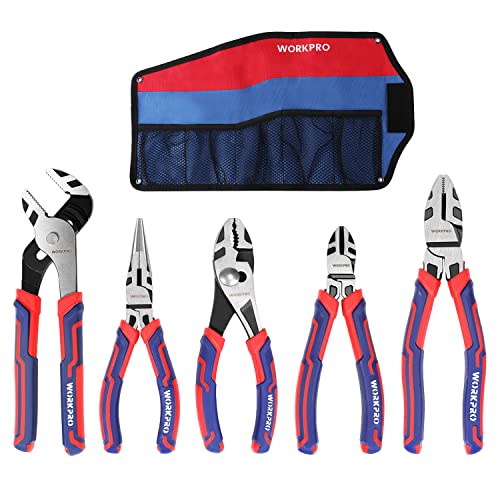 WORKPRO Pliers Set, Premium Cr-V Construction, Includes 6 Inch Slip Joint
Slip-joint, cutting, and groove-joint pliers in one set. View on Amazon →
WORKPRO Pliers Set, Premium Cr-V Construction, Includes 6 Inch Slip Joint
Slip-joint, cutting, and groove-joint pliers in one set. View on Amazon →
 Amartisan 10-Piece Magnetic Screwdrivers Set, 5 Phillips and 5 Slotted Tips
Phillips, flat, and Torx tips for panels, trim, and appliances. View on Amazon →
Amartisan 10-Piece Magnetic Screwdrivers Set, 5 Phillips and 5 Slotted Tips
Phillips, flat, and Torx tips for panels, trim, and appliances. View on Amazon →
Still need help? Ask an RV Mechanic
Get a personalized answer from a verified RV mechanic. Describe your specific issue and get step-by-step help for your rig.
Related Repair Guides
- RV Backup Camera Not Working? Complete Troubleshooting Guide
- RV Chassis Battery Draining & Dead Outlets - Troubleshooting
- RV Electrical Problems: 12V & 120V Troubleshooting Guide
- ECM Low Battery Warning RV: Complete Diagnosis & Fix Guide
- Protect Your RV Alternator When Charging Lithium
- RV 12V Lights Dimming: Complete Troubleshooting Guide
- RV 12V Auto Reset Breaker Size Guide: 30A, 40A, 50A Selection
- RV Shore Power Not Working: Complete Troubleshooting Guide
- No 12 Volt Power in RV: Complete Troubleshooting Guide
- RV DC Electrical System: Expert Guide to 12 Volt Systems
Need More Help?
Try our free RV calculators and tools to help diagnose and plan your repairs.
Browse RV ToolsWeight calculator, electrical planner, propane estimator & more
