How to Remove and Replace Cracked Factory Protective Film on RV Front Cap
Read full question
As someone who enjoys DIY projects and wants to restore this coach to better condition, I'm wondering about the feasibility of removing this old protective film myself and either replacing it with something newer or just maintaining the bare paint underneath. What's the proper process for safely removing aged factory protective coating without damaging the underlying paint? Are there modern alternatives I should consider for replacement, and what tools and materials would I need for this type of project? I want to make sure I approach this methodically to get the best results.
Quick Answer
Factory protective plastic coating can be removed using heat and plastic scrapers, followed by adhesive remover. Replace with modern PPF, ceramic coating, or maintain bare paint with regular waxing. Work slowly to avoid paint damage.
Short Answer
Yes, you can absolutely remove and replace the cracked plastic front protection on your older Newmar as a DIY project. The factory front plastic coating you're referring to is likely either a protective film (which can be stripped and reapplied) or fiberglass gel coat (which is an integral part of the fiberglass and requires refinishing if damaged - gel coat cannot be removed and replaced like film). Since you're looking at a used unit where the protection is already cracked and deteriorating, removal and replacement of film, or refinishing of gel coat, will significantly improve both appearance and protection.
Understanding the Problem
Older Newmar motorhomes typically came with either a clear protective film (similar to paint protection film) or a gel coat finish on the front cap to protect against road debris and UV damage. Over time, this protection becomes brittle, cracks, and starts peeling, which not only looks unsightly but also exposes the underlying fiberglass to potential damage.
The cracking you're seeing is common on units that are 10+ years old, especially if they've seen significant road time or haven't been properly maintained. Once the protective film starts failing, it needs complete removal rather than patching, while damaged gel coat requires refinishing of the existing surface, as any remaining compromised material will continue to fail and affect the adhesion of new protection.
Newmar used different protection methods over the years, so you'll need to determine whether you're dealing with a removable film or gel coat damage. These require completely different repair approaches - film can be removed and replaced using heat and peeling techniques, while gel coat damage requires sanding and refinishing the existing fiberglass surface (gel coat cannot be removed like film).
What You'll Need
For film removal, you'll need a heat gun or hair dryer, plastic scrapers, adhesive remover (like Goo Gone), and plenty of clean rags. If it's gel coat damage, you'll need 220-grit and 400-grit sandpaper, an orbital sander, tack cloths, and proper dust protection including a respirator mask rated for fiberglass particles (not just a dust mask). Note that gel coat repair involves refinishing the existing surface, not complete removal and replacement.
For replacement, consider options like 3M Paint Protection Film (expect $200-400 (rough ballpark — actual cost varies by region, brand, and model year and changes over time, so get current quotes) for materials), new gel coat and catalyst ($150-250), or high-quality marine paint system ($100-200). You'll also need surface prep materials including TSP cleaner, primer if painting, and application tools like squeegees for film or spray equipment for gel coat.
Safety equipment is crucial: chemical-resistant gloves, eye protection, respirator mask, and good ventilation. Plan for 2-3 full days of work spread over a week to allow proper curing time between steps. Budget around $300-600 total for a quality DIY job depending on your chosen protection method.
How to Fix It
Start by thoroughly cleaning the front cap and determining what type of protection you're removing. For film, use heat to soften adhesive and peel slowly at a shallow angle to avoid tearing. Work in 6-inch sections and immediately clean residual adhesive with remover. For gel coat, sand progressively from 220 to 400 grit, keeping the surface wet to control hazardous fiberglass dust and ensuring proper containment of all dust and runoff.
Once removal is complete, wash the entire surface with TSP solution and let dry completely. Inspect for any damage to the underlying fiberglass and repair as needed with marine-grade filler. Sand any repairs smooth and clean again before applying protection.
For film application, work in temperatures between 60-80°F with low humidity. Apply starting from the center and work outward, using a squeegee to eliminate air bubbles. Follow manufacturer specifications for edge overlap (typically minimal) and trim carefully with a sharp blade. For gel coat, mix according to manufacturer specifications for catalyst ratios, pot life, and temperature requirements, then apply thin, even coats, allowing proper cure time between coats as specified by manufacturer.
The key to success is patience and proper surface preparation. Rush the prep work, and your new protection won't adhere properly. Take time between steps, and you'll get professional-looking results that will protect your Newmar for years to come.
Leave It to the Experts
While this is definitely a manageable DIY project, consider professional help if you discover extensive fiberglass damage underneath the failed protection, if you're uncomfortable working with chemicals and power tools, or if the front cap has complex curves that make film application challenging.
Professional shops typically charge $800-2000 for complete front cap protection replacement, but they'll warranty the work and handle any complications that arise. If you're planning to sell the Newmar soon, a professional job might provide better return on investment. However, if you're keeping it and enjoy hands-on projects, DIY replacement is very achievable and will save you significant money while giving you valuable experience with your RV's maintenance needs.
Tools & Supplies You'll Need
 SEEKONE Heat Gun 1800W 122℉-1202℉(50℃- 650℃)Fast Heating Heavy
Shrinks tubing and softens old adhesive and butyl tape. View on Amazon →
SEEKONE Heat Gun 1800W 122℉-1202℉(50℃- 650℃)Fast Heating Heavy
Shrinks tubing and softens old adhesive and butyl tape. View on Amazon →
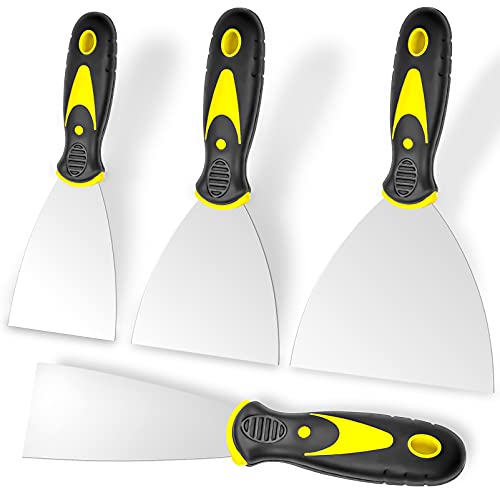 Putty Knife, 4Pcs Spackle Knife Set (2, 3, 4, 5 in), Stainless Steel Paint
Lifts old butyl tape and lap sealant without gouging. View on Amazon →
Putty Knife, 4Pcs Spackle Knife Set (2, 3, 4, 5 in), Stainless Steel Paint
Lifts old butyl tape and lap sealant without gouging. View on Amazon →
 Goo Gone Spray Adhesive Remover Gel 12 Oz with Scraper, Removes Glue
Cleans up old caulk, tape residue, and decals. View on Amazon →
Goo Gone Spray Adhesive Remover Gel 12 Oz with Scraper, Removes Glue
Cleans up old caulk, tape residue, and decals. View on Amazon →
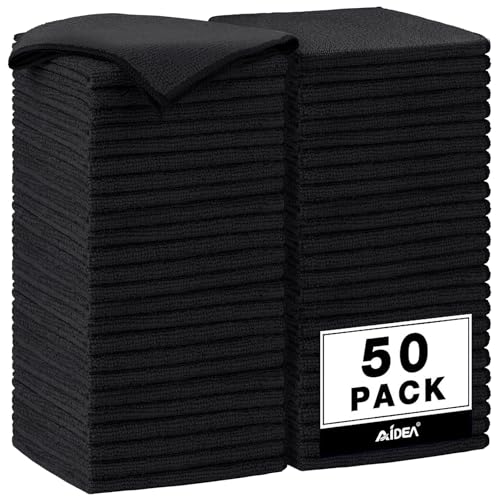 AIDEA Microfiber Cleaning Cloth Black 50PK, Microfiber Towels for Cars
Streak-free wipe-down and detailing. View on Amazon →
AIDEA Microfiber Cleaning Cloth Black 50PK, Microfiber Towels for Cars
Streak-free wipe-down and detailing. View on Amazon →
Still need help? Ask an RV Mechanic
Get a personalized answer from a verified RV mechanic. Describe your specific issue and get step-by-step help for your rig.
Related Repair Guides
- RV Liquid Spring Adjustment Guide: Setup & Tuning Tips
- How to Reduce RV Interior Noise: Complete Sound Dampening Guide for Motorhomes
- RV Storage on Gravel: Preventing Weed and Moisture Issues
- How to Remove Firefly RV Control Panel: Complete DIY Guide
- Best Cummins 6.7 Scan Tools for RV Diesel & DPF Regen
- How to Find Reliable RV Repair Shops: Expert Tips & Red Flags to Watch Out For
- Best Mobile RV Repair Apps and Services: Complete Guide
- Prevost vs Newell vs Foretravel vs King Aire: Which to Buy?
- RV Slide-Out Maintenance: Complete Guide to Prevent Wear and Extend Lifespan
- RV Infotainment System Update: Step-by-Step Safety
Need More Help?
Try our free RV calculators and tools to help diagnose and plan your repairs.
Browse RV ToolsWeight calculator, electrical planner, propane estimator & more
