Koni Shocks vs Sway Bars for RV Body Roll: Which $1200 Upgrade Works Best?
Read full question
I'm considering investing about $1200 in Koni shocks as an upgrade, thinking they might solve this handling issue. However, I want to make sure I'm spending my money on the right solution. Will upgrading to Koni shocks actually reduce the body roll I'm experiencing, or should I be looking at other suspension modifications? I'd hate to spend that much money and not see a significant improvement in the handling characteristics that are bothering me most.
Quick Answer
Koni shocks improve ride quality but minimally affect body roll. Sway bars are what reduce roll. Check if your Fleetwood has sway bars - adding them will make the biggest handling difference.
The Quick Answer
Koni shocks will likely help reduce the body roll you're experiencing in your 2022 Fleetwood Frontier 36ss, but they may not completely eliminate it like the Bilsteins did on your previous Itasca 34H. The $1200 investment in Koni shocks is reasonable and will provide significant improvement, though you might also want to consider upgrading your sway bar system for maximum body roll control. The difference you're noticing between your current rig and the Itaska is likely due to different chassis designs and suspension geometries, with the Itasca's different suspension setup and configuration providing different stability characteristics than your Frontier.
What's Causing This
Your 2022 Fleetwood Frontier 36ss is built on a Ford F53 chassis. The F53's factory shocks are typically basic twin-tube designs that provide minimal resistance to body roll during cornering and lane changes. Additionally, the Frontier's 36-foot length creates a longer lever arm that amplifies any chassis flex or suspension movement.
The body roll you're experiencing is also influenced by your rig's center of gravity, which tends to be higher in Class A motorhomes. When combined with softer factory shock valving designed primarily for ride comfort rather than handling, this creates the excessive leaning sensation you're feeling. Your previous Itaska's Bilstein shocks were likely gas-charged monotube designs with firmer valving that better controlled suspension movement.
The weight distribution in your Frontier may also contribute to the issue. Class A motorhomes often have significant rear overhang, and if you're carrying heavy items in rear storage compartments, this can exacerbate the body roll problem by shifting the center of gravity rearward.
Tools You'll Need
WARNING: Working under a raised motorhome presents serious safety risks. Ensure you have proper jack stands rated for motorhome use and never rely solely on a jack to support the vehicle.
For installing Koni shocks on your Frontier 36ss, you'll need a basic set of hand tools and some safety equipment. Have a floor jack rated for at least 3 tons, along with heavy-duty jack stands rated for motorhome use. You'll need a socket set with both metric and standard sizes, including sockets sized according to your specific model's shock mount specifications.
Safety equipment is crucial for this job. Use wheel chocks on the wheels that remain on the ground, and consider having a second person assist with handling the heavy shock absorbers. A torque wrench capable of torque to manufacturer specifications will ensure proper installation torque on the shock mounting bolts. You may also need penetrating oil like PB Blaster if the original shocks have been on for a while and the bolts are corroded.
Additionally, have shop rags and safety glasses on hand. The job will take approximately 2-4 hours depending on your experience level and whether you encounter any seized bolts. Consider purchasing new shock mounting hardware if the original bolts show signs of corrosion or wear.
Step-by-Step Fix
SAFETY WARNING: Always use proper jack stands and wheel chocks. Never work under a vehicle supported only by a jack.
Start by parking your Frontier on level ground and engaging the parking brake. Place wheel chocks behind the wheels you're not working on. For rear shocks, the motorhome should be professionally lifted using appropriate equipment with multiple contact points. Class A RVs require specialized lifting procedures - consult a professional service facility as improper jacking can damage the chassis or create safety hazards.
Locate the upper and lower shock mounting bolts. The upper mount is typically attached to the frame rail, while the lower mount connects to the axle housing. Spray penetrating oil on all bolts and let it sit for 15-20 minutes. Remove the upper bolt first while supporting the shock, then remove the lower bolt. The old shock should come out easily once both bolts are removed.
Note: This procedure may vary by specific RV model. Consult your vehicle manual for model-specific variations and requirements.
Install the new Koni shock by reversing the removal process. Insert the upper mounting bolt first and hand-tighten, then align the lower mount and install that bolt. Torque both bolts to manufacturer specifications (consult your service manual or dealer for the correct specifications for your specific model). Repeat this process for all four shocks, working on one corner at a time for safety.
After installation, lower the motorhome and take it for a test drive. You should notice an improvement in body roll control, though the ride may feel slightly firmer than before. The Koni shocks will need about 500 miles to fully break in and reach their optimal performance characteristics.
When to Call a Pro
Consider calling a professional if you encounter severely corroded or seized shock mounting bolts during removal. Attempting to force stuck bolts can damage the frame mounting points, leading to expensive repairs. Professional shops have specialized tools like impact wrenches and torch heating equipment that can safely remove stubborn hardware without causing damage.
You should also seek professional help if you're uncomfortable working under a raised motorhome or lack the proper jack stands and safety equipment. The weight of a Class A motorhome presents serious safety risks if not properly supported. A professional installation typically costs $200-400 in labor, which is reasonable considering the safety aspects and warranty protection.
If the body roll problem persists significantly after installing the Koni shocks, a professional can evaluate whether additional modifications are needed. This might include upgrading sway bars, adding supplemental air bags, or addressing any chassis flexibility issues that contribute to the handling problems in your specific Frontier model.
Tools & Supplies You'll Need
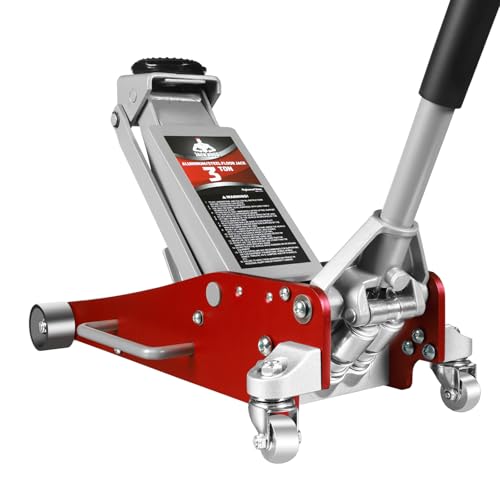 Jack Boss 3 Ton Low Profile, Aluminum and Steel Racing Floor Jack with Dual
Lifts the chassis for tire and suspension work. View on Amazon →
Jack Boss 3 Ton Low Profile, Aluminum and Steel Racing Floor Jack with Dual
Lifts the chassis for tire and suspension work. View on Amazon →
 BIG RED T43202 Torin Heavy Duty Steel Jack Stands: 3 Ton (6,000 lb) Capacity
Hold the rig up safely once it is lifted. View on Amazon →
BIG RED T43202 Torin Heavy Duty Steel Jack Stands: 3 Ton (6,000 lb) Capacity
Hold the rig up safely once it is lifted. View on Amazon →
 CRAFTSMAN 230 Pcs Mechanics Tool Set, Socket Wrench Set, Car Tool Kit with
A broad SAE/metric socket-and-ratchet set covers most RV fasteners. View on Amazon →
CRAFTSMAN 230 Pcs Mechanics Tool Set, Socket Wrench Set, Car Tool Kit with
A broad SAE/metric socket-and-ratchet set covers most RV fasteners. View on Amazon →
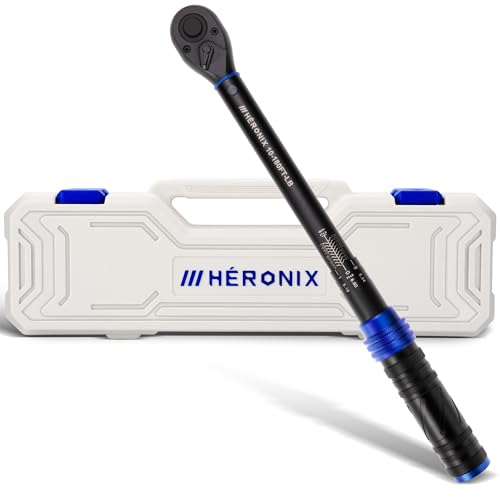 HERONIX 1/2 Inch Drive Click Torque Wrench, 10–180 Ft.Lb/13.6–244.0 Nm
Click-type wrench for lug nuts and anything with a torque spec. View on Amazon →
HERONIX 1/2 Inch Drive Click Torque Wrench, 10–180 Ft.Lb/13.6–244.0 Nm
Click-type wrench for lug nuts and anything with a torque spec. View on Amazon →
Still need help? Ask an RV Mechanic
Get a personalized answer from a verified RV mechanic. Describe your specific issue and get step-by-step help for your rig.
Related Repair Guides
- RV Liquid Spring Adjustment Guide: Setup & Tuning Tips
- How to Reduce RV Interior Noise: Complete Sound Dampening Guide for Motorhomes
- RV Storage on Gravel: Preventing Weed and Moisture Issues
- How to Remove Firefly RV Control Panel: Complete DIY Guide
- Best Cummins 6.7 Scan Tools for RV Diesel & DPF Regen
- How to Find Reliable RV Repair Shops: Expert Tips & Red Flags to Watch Out For
- Best Mobile RV Repair Apps and Services: Complete Guide
- Prevost vs Newell vs Foretravel vs King Aire: Which to Buy?
- RV Slide-Out Maintenance: Complete Guide to Prevent Wear and Extend Lifespan
- RV Infotainment System Update: Step-by-Step Safety
Need More Help?
Try our free RV calculators and tools to help diagnose and plan your repairs.
Browse RV ToolsWeight calculator, electrical planner, propane estimator & more
