RV Fresh Water Fill Cap Seal: Why Most Don't Have Them
Read full question
Quick Answer
Most RV fresh water fill caps don't include seals by design, relying on breather systems for proper tank venting. However, sealed caps are available and often preferred for keeping contaminants out.
The Great Fresh Water Cap Seal Mystery
Most RV owners run into this confusion when shopping for replacement fresh water fill caps. The reason most caps come without seals relates to how RV fresh water systems are designed to function, but that doesn't mean a sealed cap is wrong or unavailable.
Why Breather Systems Exist
Your RV's fresh water tank needs proper ventilation to function correctly, and that's where the breather hose comes into play. When you're using water from the tank, air must enter to replace the volume of water being consumed - otherwise you'd create a vacuum that stops water flow. Similarly, when filling the tank, air needs to escape as water displaces it.
The breather tube typically runs from the top of your tank to an exterior vent, often near the fill location. This system allows air exchange while positioning the vent high enough to prevent water from backing up into the tank during normal use. Many manufacturers design their systems assuming the fill cap won't create an airtight seal, relying entirely on the breather for ventilation.
The Case for Sealed Caps
While unsealed caps work functionally, many experienced RV owners prefer sealed versions for good reasons. A properly sealed fill cap prevents rainwater, dirt, insects, and other contaminants from entering your fresh water supply. This is particularly important if you're camping in dusty conditions, during storms, or in areas with lots of flying insects.
With a sealed cap, your breather system still handles all the necessary air exchange - it's designed to do exactly that job. The breather vent typically includes its own protection against debris and moisture intrusion, making it a more controlled entry point than an unsealed fill cap.
Finding Caps with Seals
Several manufacturers do make fresh water fill caps with proper sealing gaskets, though they're not as common in typical RV parts stores. Valterra and Camco both offer sealed versions of their standard fill caps. You'll also find options from marine supply companies, since boat fresh water systems face similar contamination concerns.
When shopping, look for caps specifically advertised as "sealing" or "with gasket." The seal might be a rubber O-ring that sits in a groove around the cap's threads, or a flat gasket that compresses against the fill neck. Some caps include replaceable seals, which is handy for long-term maintenance.
Installation Considerations
Before installing a sealing cap, verify that your breather system is functioning properly. You can test this by partially filling your tank, then running water from your faucets while monitoring the flow, though testing procedures may vary by system - consult your RV manual for specific guidance. If water flow becomes restricted or stops entirely, you may have a blocked breather that needs cleaning.
Most sealed caps install just like standard versions - they thread onto your existing fill neck using the same connection. However, don't overtighten a sealed cap, as this can damage the gasket or crack the cap housing. Hand-tight plus a quarter turn with pliers is typically sufficient, but verify the manufacturer's recommended installation procedure for your specific cap.
Alternative Solutions
If you can't locate a sealed cap for your specific fill neck size, consider these options. Some owners successfully add aftermarket seals to standard caps using appropriately sized O-rings from hardware stores. Marine supply shops often carry universal fill caps in common sizes that include sealing gaskets.
For a temporary solution while traveling, you can create a basic seal using plumber's thread tape (Teflon tape) wrapped around the cap threads. This won't create a perfect seal but will help keep out casual moisture and debris.
Remember that your winterization procedures should include checking all tank seals and breather systems to ensure they're ready for storage season.
Tools & Supplies You'll Need
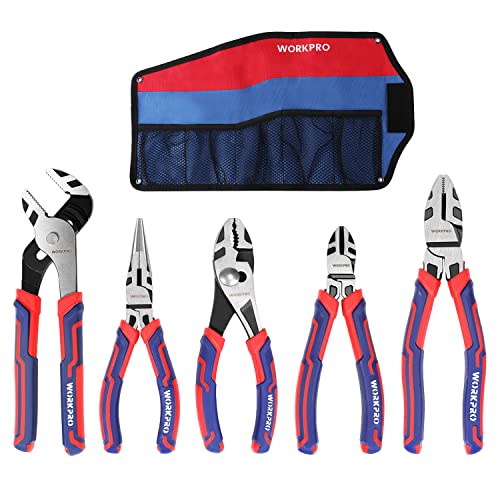 WORKPRO Pliers Set, Premium Cr-V Construction, Includes 6 Inch Slip Joint
Slip-joint, cutting, and groove-joint pliers in one set. View on Amazon →
WORKPRO Pliers Set, Premium Cr-V Construction, Includes 6 Inch Slip Joint
Slip-joint, cutting, and groove-joint pliers in one set. View on Amazon →
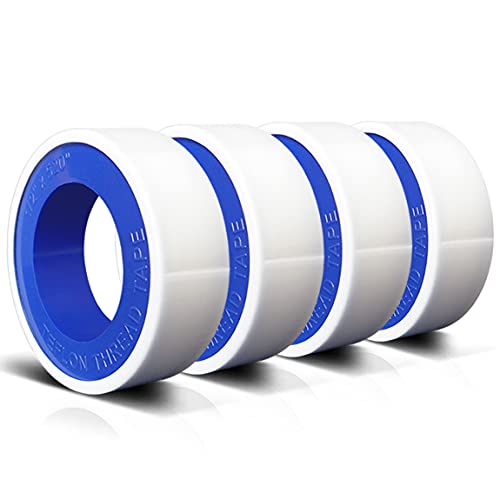 VOTMELL 4 Rolls 1/2 Inch(W) X 520 Inches(L) Teflon Plumbers Tape,Pipe Sealing
Seals threaded water and propane fittings. View on Amazon →
VOTMELL 4 Rolls 1/2 Inch(W) X 520 Inches(L) Teflon Plumbers Tape,Pipe Sealing
Seals threaded water and propane fittings. View on Amazon →
Still need help? Ask an RV Mechanic
Get a personalized answer from a verified RV mechanic. Describe your specific issue and get step-by-step help for your rig.
Related Repair Guides
- RV Water Pump Losing Prime: Troubleshooting & Winterization
- Monaco Diplomat Rear Air Suspension Won't Dump Fully - Troubleshooting Guide
- Fix RV Low Water Pressure on City Connection: Troubleshooting Pump Assembly
- Dometic 310 Toilet Leaking at Foot Pedal: Complete Fix Guide
- Camco Rhino Sewer Hose Adapter Pro: Complete Review & Installation Guide for RV Owners
- RV Grey Water Tank Clogged? 7 Proven Solutions to Clear Blockages Fast
- RV Tank Sensor Removal Guide: Gray & Black Water Tank Sensors (Step-by-Step Process)
- RV Winterization: Complete Step-by-Step Guide
- How to Fix RV Fresh Water Tank Leaks: Complete Diagnosis & Repair Guide
- RV Black Tank Not Holding Full Capacity: 7 Common Causes and DIY Repair Solutions
Need More Help?
Try our free RV calculators and tools to help diagnose and plan your repairs.
Browse RV ToolsWeight calculator, electrical planner, propane estimator & more
