How to Fix RV Fresh Water Tank Leaks: Complete Diagnosis & Repair Guide
Read full question
I can see there's an underbelly cover that would need to come down to access everything underneath, but I'm hoping maybe there are some easier spots I should check first? I'd rather not tackle removing panels if I don't have to - any guidance on where these leaks typically start would be really helpful, especially near the drain valve!
Quick Answer
Fresh water tank drips that slow overnight are usually near the tank top - check fill hose, vent, and overflow connections. Inspect accessible areas before dropping the underbelly.
The Quick Answer
Start by visually inspecting the tank exterior, drain valve, and visible plumbing connections before accessing the underbelly covering. You'll likely need to access the underbelly covering to properly diagnose and fix this leak near your drain valve. The fact that your tank indicator still shows full while you have a steady drip suggests the leak is in the plumbing connections or fittings rather than the tank itself. The slowing from constant dripping to every 2 seconds overnight indicates it's a pressure-related leak that diminishes as water usage reduces tank pressure, which points to loose fittings or a failing connection at the drain valve assembly.
What's Causing This
Based on your symptoms, the most likely culprits are loose or deteriorated fittings at the fresh water tank drain valve. The drain valve assembly typically includes a gate valve, connecting hose, and clamps that can fail over time. Since the leak is specifically where the drain valve is located and slows down overnight, this suggests a connection that's loose enough to weep under normal tank pressure but not catastrophically failed.
Other possibilities include a cracked drain valve body, failed hose clamp, or deteriorated rubber gasket in the valve assembly. The covered underbelly design on your trailer means these components aren't easily visible, but they're the most common failure points in fresh water systems. Temperature cycling and vibration from travel commonly cause these fittings to work loose or gaskets to fail.
The fact that your tank still reads full is actually good news - it means you're dealing with a small leak rather than a major tank rupture or large hose failure. However, even small leaks can cause significant water damage and mold issues if left unaddressed.
Tools You'll Need
For accessing and diagnosing the leak, you'll need a flashlight or headlamp, screwdriver set for removing underbelly panels, and possibly a utility knife if the covering is adhesive-backed. A mirror on a telescoping handle can help you see into tight spaces once you have access.
For the actual repair, gather adjustable wrenches, hose clamps (multiple sizes from 1/2" to 1.5"), plumber's tape or thread sealant, and replacement hose if needed. Have a bucket ready to catch water when you disconnect fittings. If the valve itself needs replacement, you'll want a standard RV fresh water drain valve - most use a 1/2" or 3/4" gate valve that costs around $8-40 (rough ballpark — actual cost varies by region, brand, and model year and changes over time, so get current quotes) depending on material and quality.
Safety equipment includes knee pads for crawling under the trailer and safety glasses to protect from dripping water and debris. Ensure the trailer is properly leveled and supported on stable ground before working underneath. A tarp or cardboard to lie on while working underneath will make the job much more comfortable.
Step-by-Step Fix
Start by visually inspecting the tank exterior, drain valve housing, and any visible plumbing connections for obvious leaks, cracks, or loose fittings. If no exterior issues are found, turn off your water pump and opening faucets to relieve system pressure. Locate the underbelly panel nearest to where you see the dripping - this is typically a white or silver corrugated plastic panel held by screws or adhesive. Remove screws carefully and set them aside, or if adhesive-mounted, carefully cut the sealant with a utility knife.
Once you have access, use your flashlight to trace the fresh water lines to the drain valve assembly. Look for obvious signs of wetness, corrosion, or loose connections. Check tank mounting hardware, sensor wire connections, tank bottom seams, and all hose clamps - they should be tight enough to prevent leaks but not so tight as to deform the hose (typically hand-tight plus 1/4 turn with a screwdriver). If you find loose clamps, tighten them gradually while checking that the hose isn't damaged underneath.
If the valve body itself is cracked or the leak is coming from the valve stem, you'll need to replace the entire drain valve. First, drain the tank using the drain valve or turn off the water supply to the tank, then disconnect the inlet hose from the valve. Have your bucket ready as some water will spill. Remove the old valve and apply thread sealant to the new valve's threads before installing.
For hose replacement, measure the old hose length and diameter before removing it. Most RV fresh water hoses are either 1/2" or 5/8" inside diameter. Cut the new hose to length, install with proper hose clamps, and ensure all connections are secure before testing. Replace the underbelly covering with new screws or fresh sealant as needed.
When to Call a Pro
Call a professional if you discover the leak is coming from the tank itself rather than the plumbing connections, as tank replacement or repair requires specialized skills and equipment. Additionally, if you find extensive water damage or mold in the underbelly area, you'll want a professional assessment of the extent of damage and proper remediation.
If the plumbing configuration is complex with multiple valves, bypass systems, or if you're uncomfortable working in tight spaces under the trailer, a mobile RV technician can typically diagnose and fix these issues in 1-2 hours for $150-300 depending on parts needed. This is often worth it for peace of mind and to ensure the job is done correctly.
Also consider professional help if you discover the leak has been ongoing for some time and there's structural damage to the trailer floor or framing. Water damage can compromise the integrity of your RV and requires proper assessment and repair techniques that go beyond simple plumbing fixes.
Tools & Supplies You'll Need
 Flashlights High Lumens Rechargeable, 100,000LM LED Super Bright Flash Light
Bright rechargeable light for bays and undercarriage. View on Amazon →
Flashlights High Lumens Rechargeable, 100,000LM LED Super Bright Flash Light
Bright rechargeable light for bays and undercarriage. View on Amazon →
 2 Pieces Telescoping Inspection Mirror, 360° Swivel Extendable Mechanic
Sees behind appliances and into tight bays. View on Amazon →
2 Pieces Telescoping Inspection Mirror, 360° Swivel Extendable Mechanic
Sees behind appliances and into tight bays. View on Amazon →
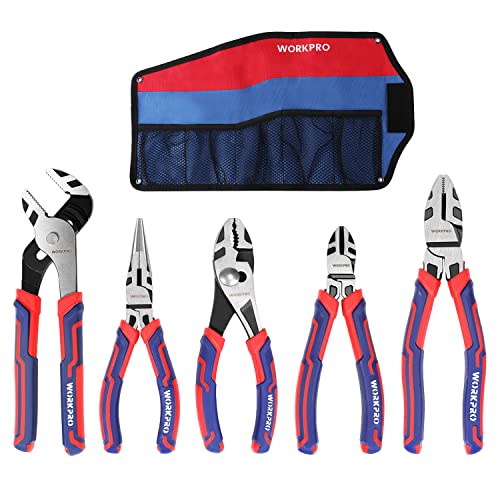 WORKPRO Pliers Set, Premium Cr-V Construction, Includes 6 Inch Slip Joint
Slip-joint, cutting, and groove-joint pliers in one set. View on Amazon →
WORKPRO Pliers Set, Premium Cr-V Construction, Includes 6 Inch Slip Joint
Slip-joint, cutting, and groove-joint pliers in one set. View on Amazon →
Still need help? Ask an RV Mechanic
Get a personalized answer from a verified RV mechanic. Describe your specific issue and get step-by-step help for your rig.
Related Repair Guides
- RV Water Pump Losing Prime: Troubleshooting & Winterization
- Monaco Diplomat Rear Air Suspension Won't Dump Fully - Troubleshooting Guide
- Fix RV Low Water Pressure on City Connection: Troubleshooting Pump Assembly
- Dometic 310 Toilet Leaking at Foot Pedal: Complete Fix Guide
- Camco Rhino Sewer Hose Adapter Pro: Complete Review & Installation Guide for RV Owners
- RV Grey Water Tank Clogged? 7 Proven Solutions to Clear Blockages Fast
- RV Tank Sensor Removal Guide: Gray & Black Water Tank Sensors (Step-by-Step Process)
- RV Winterization: Complete Step-by-Step Guide
- RV Black Tank Not Holding Full Capacity: 7 Common Causes and DIY Repair Solutions
- RV Heater Lines Reversed: How to Diagnose and Fix Hot Dashboard Air
Need More Help?
Try our free RV calculators and tools to help diagnose and plan your repairs.
Browse RV ToolsWeight calculator, electrical planner, propane estimator & more
