Toyo M-156 RV Tire Review: Replacing M-154 Steering Tires
Read full question
From what I can see, the M-156 has a completely different tread pattern compared to the M-154, and I'm concerned about how this might affect performance. Specifically, I want to know if the construction quality and load ratings remain the same as the M-154, since those have been rock solid for me. I'm also curious about the road noise characteristics - the M-154s were reasonably quiet, but I'm wondering if the new tread design on the M-156 creates more or less road noise. Additionally, since this is a steering tire replacement, I want to confirm the proper replacement approach and whether there are any specific considerations I should keep in mind when switching from the M-154 to the M-156 design.
Quick Answer
Toyo M-156 replaces discontinued M-154 with different tread pattern designed for improved wet traction. Road noise varies by user experience. Same construction and load ratings as M-154. Replace steering tires in pairs.
The Quick Answer
The Toyo M-156 is indeed the direct replacement for your beloved M-154 tires, and based on feedback from Class A owners running 245/75R22.5 sizes, the new tread design does provide noticeably reduced road noise compared to the M-154. The M-156 features a more closed shoulder design and optimized pitch sequencing that cuts down on the highway hum that was common with the older M-154 pattern. Most owners report the ride quality is comparable or slightly improved, with similar mileage expectations of 60,000-80,000 miles for front steering tires depending on load range and operating conditions. The price point runs about $350-420 per tire depending on your location and load range, which is roughly 10-15% higher than what the M-154s cost near the end of their production run (rough ballpark — actual cost varies by region, brand, and model year, and changes over time, so get current quotes).
What's Causing This
Toyo discontinued the M-154 as part of their tire line modernization to meet newer fuel efficiency standards and reduce noise complaints that were common with the older aggressive tread pattern. The M-154's deep, widely spaced tread elements were excellent for traction and longevity but generated significant road noise, especially on concrete highways. The new M-156 uses a computer-optimized tread design with variable pitch technology, where the tread blocks are arranged in a specific sequence to cancel out noise frequencies that cause that distinctive tire whine.
The M-156 also incorporates Toyo's newer rubber compounds that provide better fuel economy while maintaining the durability you experienced with the M-154. The sidewall construction remains very similar, so you'll get the same stable steering feel and load capacity (see manufacturer specs for your specific load range in the 245/75R22.5 size), but with improved heat dissipation thanks to updated internal construction.
Tools You'll Need
Since you're looking at tire replacement rather than repair, you won't need tools for a DIY job - this is definitely a professional installation situation. However, here's what you should have ready when you take your Class A to the tire shop:
- Your current tire pressure monitoring system (TPMS) sensors if your rig has them - most 2010+ Class As do
- Wheel weights from previous balancing if you're using the same tire shop
- Your RV's weight distribution report if you have one, or plan to get one done after installation
- Documentation of your current tire pressures and any pressure adjustments you've made
- Photos of your current M-154 wear patterns to show the tire tech - this helps with alignment assessment
Step-by-Step Fix
Here's the process for getting your new M-156 tires properly installed and set up for optimal performance:
- Contact commercial tire dealers in your area - many Toyo dealers can order the M-156 in 245/75R22.5 with 2-3 day delivery. Expect to pay $350-420 per tire plus mounting and balancing.
- Schedule installation when you can leave the RV for 3-4 hours. Ask specifically for a tech experienced with Class A motorhomes, as proper balancing is critical for steering tires.
- Have the shop inspect your current wheels for damage, corrosion, or warping while the old tires are being removed. Address any issues before mounting new tires. Replace steering tires in axle pairs to maintain proper handling balance and safety.
- Request road-force balancing rather than standard spin balancing - this typically costs extra per wheel but eliminates vibration issues that can plague heavy RVs.
- Set initial pressure according to manufacturer's load/inflation tables based on your actual axle weights and tire load range - consult the manufacturer's load/inflation charts based on your actual axle weights rather than generic PSI ranges.
- After installation, drive slowly for the first 50 miles to allow the tires to seat properly, then recheck pressure before any long trips.
When to Call a Pro
This is definitely a job for professional installation from the start - mounting and balancing 22.5-inch tires requires specialized equipment that's not available for DIY work. However, you should specifically seek out a commercial tire dealer or truck tire shop rather than a standard automotive tire store, as they'll have the proper equipment and experience with your tire size and load requirements.
Call a tire professional immediately if you experience any vibration, unusual wear patterns, or pressure loss after installation. With the M-156's new tread design, the break-in period might feel slightly different from your M-154s, but any concerning symptoms should be checked within the first 1,000 miles. Most shops offer free rebalancing within the first 30 days if you experience any issues, so don't hesitate to return if the ride doesn't feel right.
Tools & Supplies You'll Need
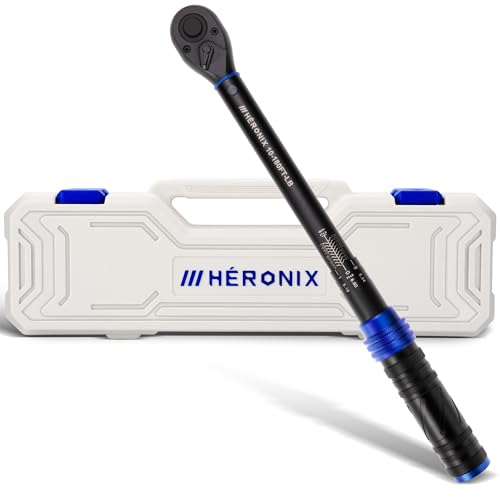 HERONIX 1/2 Inch Drive Click Torque Wrench, 10–180 Ft.Lb/13.6–244.0 Nm
Click-type wrench for lug nuts and anything with a torque spec. View on Amazon →
HERONIX 1/2 Inch Drive Click Torque Wrench, 10–180 Ft.Lb/13.6–244.0 Nm
Click-type wrench for lug nuts and anything with a torque spec. View on Amazon →
 ETENWOLF T300 Digital Tire Pressure Gauge 3-200 PSI, Industrial Tire Gauge
Reads high-PSI RV tires accurately. View on Amazon →
ETENWOLF T300 Digital Tire Pressure Gauge 3-200 PSI, Industrial Tire Gauge
Reads high-PSI RV tires accurately. View on Amazon →
Still need help? Ask an RV Mechanic
Get a personalized answer from a verified RV mechanic. Describe your specific issue and get step-by-step help for your rig.
Related Repair Guides
- Ford E450 V10 Reliability: Expected Mileage and Longevity Guide for RV Owners
- Newmar Motorhome Rough Ride Fix: Suspension & Air Pressure
- Ford V10 Triton Engine Maintenance Guide: EGR Delete vs Regular Service Tips
- Ford V10 Turbo Kit for Motorhomes: Cost, Risks & Better Alternatives
- Ford E450 Inertia Switch Location Guide - Find Your RV's Fuel Cutoff Reset Point
- Onan 5500 Generator Problems: Complete Repair Guide
- Fleetwood Excursion Tire Upgrade Guide: 255 to 275 Width Conversion
- Ford E-350 vs E-450 RV Chassis: Fuel, Power & Weight
- Ford F53 7.5L RV Won't Start: Fuel Pump Relay Voltage Drop Fix
- Generac 7.5kW Diesel Generator Repair Guide - RV Troubleshooting
Need More Help?
Try our free RV calculators and tools to help diagnose and plan your repairs.
Browse RV ToolsWeight calculator, electrical planner, propane estimator & more
