Tiffin Breeze Front Suspension Bottoming Out: Complete ZF Upgrade Guide
Read full question
I'm worried this could be dangerous or cause damage to other components. Before I take it back to the dealer again, I want to make sure I understand all my options. Are there additional upgrades beyond just the Koni shocks that can help? I've heard mixed things about Sumo Springs but wasn't sure if they'd work with this ZF setup. Also concerned there might be other worn components contributing to the problem that I should have checked.
Quick Answer
ZF front suspension on Tiffin Breeze has known shock inadequacy. Koni upgrade from Tiffin helps significantly. If still bottoming, add Sumo Springs as progressive bump stops. Check for worn bushings, ball joints, and verify front axle is not overloaded.
Quick Take
Your 2020 Tiffin Breeze 33br with independent front suspension is experiencing a common issue where even the upgraded Koni shocks can't prevent bottoming out on compression bumps. Since Koni has no other options and SuperSprings doesn't make a suitable SumoSprings product for your chassis, your best solutions are IFS-compatible helper springs or coil spring assisters from manufacturers like Roadmaster, air helper springs like Firestone Ride-Rite bags, or having custom valving done on your existing Koni shocks. The bottoming out against rubber snubbers is creating harsh rebound that the shock valving wasn't designed to handle, so you need to either prevent bottoming out entirely or increase the spring rate progressively.
Common Causes
The independent front suspension on your Breeze was designed primarily for ride comfort rather than heavy-duty RV use, which creates several underlying issues. Common causes include spring rates that are too soft for the actual loaded weight of your motorhome, especially when you factor in propane, water, gear, and passengers. This can cause excessive compression travel under normal driving conditions.
The geometry of the ZF suspension also contributes to the problem - as the suspension compresses, the spring rate doesn't increase progressively enough to prevent bottoming out. When you hit those interstate bridge transitions or larger bumps, the suspension uses up its travel too quickly and slams into the rubber snubbers. The snubbers then create a harsh rebound force that your Koni shocks weren't valved to control effectively.
Weight distribution is another factor - many RV owners unknowingly overload the front axle with heavy items in front compartments, water heaters, or generators. Even being within gross weight limits, improper weight distribution can overwhelm the front suspension. The Koni shocks help with damping but don't address the fundamental spring rate issue that causes the bottoming out in the first place.
Preparation
SAFETY WARNING: Front suspension work requires supporting several thousand pounds safely. Use proper jack stands rated for your RV's weight and never work under a vehicle supported only by jacks.
Before attempting any modifications, you'll need to determine your actual front axle weight when loaded for travel. Visit a truck scale or RV weigh station with your rig fully loaded as you normally travel - full fuel, water, propane, gear, and passengers. Record both individual front wheel weights and total front axle weight. Compare this to your front GAWR (Gross Axle Weight Rating) found on your door placard.
Measure your current ride height at the front axle from ground to frame rail, both loaded and unloaded. This will help determine how much additional spring support you need. Take photos of your front suspension components from multiple angles to reference later. You'll also want to check your tire pressures and ensure they match Tiffin's recommendations for your actual axle weights.
Research your specific options based on your measurements. Hellwig makes progressive rate helper springs for many Class A motorhomes, while Firestone Ride-Rite air bags can be custom-fitted. Roadmaster also offers active suspension systems. Contact these manufacturers with your exact chassis specifications, weight measurements, and photos to get proper recommendations.
Repair Steps
SAFETY WARNING: Always use wheel chocks, proper jack stands, and follow all safety procedures when working under your RV. Ensure the vehicle is on level, solid ground before beginning work.
For IFS-compatible spring assisters, the installation typically involves removing the front wheels and supporting the vehicle with jack stands. The spring assisters work with the existing coil spring setup, usually requiring mounting brackets that attach to the strut assemblies or control arms. Hellwig's kits include all necessary hardware and detailed instructions. This modification costs approximately $400-600 (rough ballpark — actual cost varies by region, brand, and model year and changes over time, so get current quotes) (costs may vary based on specific model and installation complexity) and can be completed in 4-6 hours with basic tools.
Air helper springs offer more versatility but require more complex installation. Air bags designed for IFS systems mount between the lower control arms and frame with your existing coil spring setup and connect to an onboard air system. You'll need to run air lines to a dashboard control or automatic leveling system. The bags can be adjusted for different load conditions - run lower pressure for better ride quality when lightly loaded, and higher pressure when fully loaded or towing. Installation costs typically range from $800-1200 depending on control system complexity.
If you choose custom shock revalving, companies like Bilstein or Fox can modify your existing Koni shocks with firmer compression damping and revised rebound curves. This requires removing the shocks and shipping them for modification, typically costing $300-500 per pair. The downside is this approach doesn't address the fundamental spring rate issue that causes bottoming out.
A combination approach often works best - install progressive helper springs to prevent bottoming out, then have your Koni shocks revalved for the new spring rates. This addresses both the compression travel issue and provides proper damping for the modified suspension characteristics. When installing any components, torque all fasteners to the specific torque specifications provided in the manufacturer's installation instructions and verify proper fit and clearance before final tightening.
When to Get Help
Consider professional installation if you're not comfortable working under a heavy motorhome or lack proper jack stands and safety equipment. Front suspension work requires supporting several thousand pounds safely, and mistakes can be dangerous. Many RV service centers and truck suspension shops have experience with these modifications.
Get professional help if your measurements indicate you're significantly overweight on the front axle, as this may require relocating heavy components or upgrading to a higher capacity axle rather than just adding suspension helpers. A qualified RV technician can also check for worn suspension components that might be contributing to your bottoming out issues.
If you're uncomfortable with the air system installation for air helpers, most truck accessory shops can handle this work. They'll properly route air lines, install gauges or automatic controls, and test the system thoroughly. Professional installation typically adds approximately $200-400 to the parts cost but ensures proper operation and safety. Air helper springs provide excellent adjustability for varying load conditions and can be fine-tuned for optimal ride quality and load support as your travel needs change.
Tools & Supplies You'll Need
 BIG RED T43202 Torin Heavy Duty Steel Jack Stands: 3 Ton (6,000 lb) Capacity
Hold the rig up safely once it is lifted. View on Amazon →
BIG RED T43202 Torin Heavy Duty Steel Jack Stands: 3 Ton (6,000 lb) Capacity
Hold the rig up safely once it is lifted. View on Amazon →
 CRAFTSMAN 230 Pcs Mechanics Tool Set, Socket Wrench Set, Car Tool Kit with
A broad SAE/metric socket-and-ratchet set covers most RV fasteners. View on Amazon →
CRAFTSMAN 230 Pcs Mechanics Tool Set, Socket Wrench Set, Car Tool Kit with
A broad SAE/metric socket-and-ratchet set covers most RV fasteners. View on Amazon →
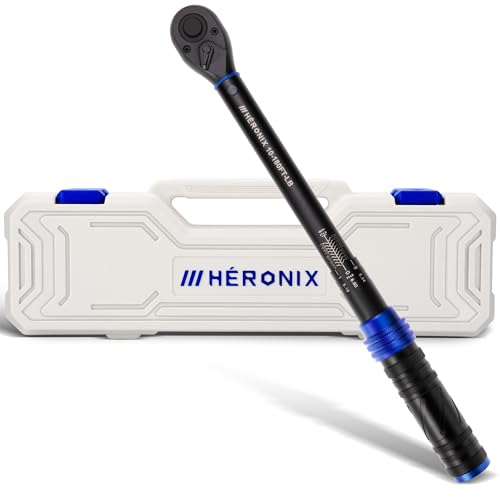 HERONIX 1/2 Inch Drive Click Torque Wrench, 10–180 Ft.Lb/13.6–244.0 Nm
Click-type wrench for lug nuts and anything with a torque spec. View on Amazon →
HERONIX 1/2 Inch Drive Click Torque Wrench, 10–180 Ft.Lb/13.6–244.0 Nm
Click-type wrench for lug nuts and anything with a torque spec. View on Amazon →
Still need help? Ask an RV Mechanic
Get a personalized answer from a verified RV mechanic. Describe your specific issue and get step-by-step help for your rig.
Related Repair Guides
- Ford E450 V10 Reliability: Expected Mileage and Longevity Guide for RV Owners
- Newmar Motorhome Rough Ride Fix: Suspension & Air Pressure
- Ford V10 Triton Engine Maintenance Guide: EGR Delete vs Regular Service Tips
- Ford V10 Turbo Kit for Motorhomes: Cost, Risks & Better Alternatives
- Ford E450 Inertia Switch Location Guide - Find Your RV's Fuel Cutoff Reset Point
- Onan 5500 Generator Problems: Complete Repair Guide
- Fleetwood Excursion Tire Upgrade Guide: 255 to 275 Width Conversion
- Ford E-350 vs E-450 RV Chassis: Fuel, Power & Weight
- Ford F53 7.5L RV Won't Start: Fuel Pump Relay Voltage Drop Fix
- Generac 7.5kW Diesel Generator Repair Guide - RV Troubleshooting
Need More Help?
Try our free RV calculators and tools to help diagnose and plan your repairs.
Browse RV ToolsWeight calculator, electrical planner, propane estimator & more
