RV Water Pump Pulsing & Cycling Issues: 7 Causes + DIY Solutions
Read full question
I've heard someone mention something about an accumulator tank, but I'm not really sure what that is or how to check it. Could there be other things causing this too? I'd really appreciate some guidance on what might be wrong and where I should start looking. This is all pretty overwhelming as a beginner!
Quick Answer
A water pump that cycles on and off rapidly is typically caused by a failed accumulator tank, small leaks in the system, or a faulty pressure switch. Check the accumulator tank first, then inspect for leaks throughout your RV's plumbing system.
What's Going On
You're right to be concerned about that constant water pump pulsing and cycling — it's not just annoying, it's a warning sign that could lead to pump failure and leave you without water. When your RV water pump rapidly cycles on and off without any faucets open, it's trying to maintain system pressure but failing to hold it. The most common culprits are a failed accumulator tank (which has lost its air charge), small leaks in the plumbing system, or a faulty pressure switch. Start by checking your accumulator tank and then systematically inspect for leaks.
What's Going Wrong
Failed Accumulator Tank: This is the most likely culprit. The accumulator tank uses compressed air and a rubber bladder to maintain steady water pressure and reduce pump cycling. When the bladder ruptures or loses its air charge, the pump must run constantly to maintain pressure.
Small System Leaks: Even tiny leaks that you can't see will cause pressure loss. Common leak points include toilet fill valves, faucet stems, water heater relief valves, and pipe fittings that have loosened due to road vibration.
Dirty Pressure Switch: The pressure switch contacts can become corroded or dirty, causing erratic operation. Road dust and moisture are common causes in RV applications.
Worn Pump Components: Older pumps may have worn internal valves or diaphragms that don't seal properly, preventing the system from holding pressure.
Getting Ready
Before diving in, gather these items: Safety Note: Always relieve water system pressure by opening faucets before working on any fittings or connections to prevent injury from high-pressure water spray.
- Tire pressure gauge
- Air compressor or hand pump
- Flashlight or headlamp
- Paper towels or rags
- Basic tools (screwdriver, wrench set)
- Teflon tape
- Food coloring (for leak detection)
Walking Through the Fix
Here's how to tackle this:
- Check the Accumulator Tank: Turn off your water pump and depressurize the system by opening a faucet until water stops flowing, then locate the accumulator tank (usually a small cylindrical tank near the pump). Remove the plastic cap on the air valve and press the valve stem - if water comes out instead of air, the internal bladder has failed and needs replacement. If air comes out, check pressure with a tire gauge - it should read 2-4 PSI above your pump's cut-in pressure (typically 22-27 PSI for a 20 PSI cut-in).
- Test System for Leaks: Turn the pump back on and let it build pressure, then turn it off. Listen carefully throughout your RV for the sound of dripping or running water. Check all faucets, toilet, shower, and exterior connections. Add a few drops of food coloring to toilet tanks to help identify slow leaks.
- Inspect Faucet Aerators and Valve Seats: Remove aerators from all faucets and check for debris. A small piece of dirt can prevent complete closure. Also check that all faucet handles are fully closed and valve seats aren't worn.
- Check the Pressure Switch: Located on or near the pump, this switch should click on around 20-25 PSI and off around 40-45 PSI. If it's cycling too frequently, the switch contacts may be dirty or the spring tension incorrect.
- Examine All Connections: Look for loose fittings, cracked pipes, or wet spots around the water heater, under sinks, and behind the toilet. Pay special attention to quick-connect fittings which can develop slow leaks.
- Test the Check Valve: Some pumps have built-in check valves that prevent backflow. If this valve is stuck open or damaged, the pump will cycle continuously trying to maintain pressure.
Beyond DIY Territory
Contact an RV service technician if you find major leaks in hard-to-reach areas, if the pump itself appears to be failing internally, or if you're uncomfortable working with pressurized systems. Always shut off 12V power to the pump before performing any electrical work on the pressure switch. If you discover leaks in the fresh water tank or main supply lines that require removing cabinetry or flooring, professional repair is recommended.
Tools & Supplies You'll Need
 ETENWOLF T300 Digital Tire Pressure Gauge 3-200 PSI, Industrial Tire Gauge
Reads high-PSI RV tires accurately. View on Amazon →
ETENWOLF T300 Digital Tire Pressure Gauge 3-200 PSI, Industrial Tire Gauge
Reads high-PSI RV tires accurately. View on Amazon →
 Flashlights High Lumens Rechargeable, 100,000LM LED Super Bright Flash Light
Bright rechargeable light for bays and undercarriage. View on Amazon →
Flashlights High Lumens Rechargeable, 100,000LM LED Super Bright Flash Light
Bright rechargeable light for bays and undercarriage. View on Amazon →
 CRAFTSMAN 230 Pcs Mechanics Tool Set, Socket Wrench Set, Car Tool Kit with
A broad SAE/metric socket-and-ratchet set covers most RV fasteners. View on Amazon →
CRAFTSMAN 230 Pcs Mechanics Tool Set, Socket Wrench Set, Car Tool Kit with
A broad SAE/metric socket-and-ratchet set covers most RV fasteners. View on Amazon →
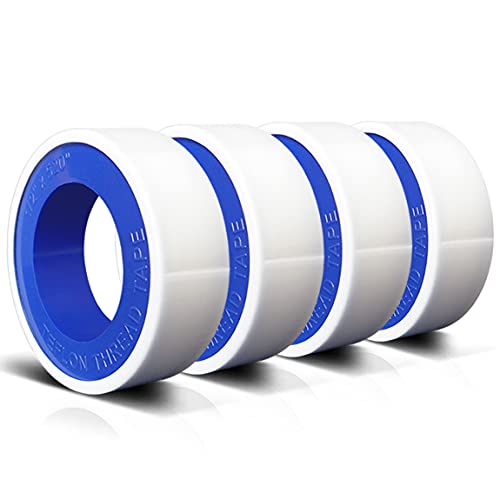 VOTMELL 4 Rolls 1/2 Inch(W) X 520 Inches(L) Teflon Plumbers Tape,Pipe Sealing
Seals threaded water and propane fittings. View on Amazon →
VOTMELL 4 Rolls 1/2 Inch(W) X 520 Inches(L) Teflon Plumbers Tape,Pipe Sealing
Seals threaded water and propane fittings. View on Amazon →
Still need help? Ask an RV Mechanic
Get a personalized answer from a verified RV mechanic. Describe your specific issue and get step-by-step help for your rig.
Related Repair Guides
- RV Water Pump Losing Prime: Troubleshooting & Winterization
- Monaco Diplomat Rear Air Suspension Won't Dump Fully - Troubleshooting Guide
- Fix RV Low Water Pressure on City Connection: Troubleshooting Pump Assembly
- Dometic 310 Toilet Leaking at Foot Pedal: Complete Fix Guide
- Camco Rhino Sewer Hose Adapter Pro: Complete Review & Installation Guide for RV Owners
- RV Grey Water Tank Clogged? 7 Proven Solutions to Clear Blockages Fast
- RV Tank Sensor Removal Guide: Gray & Black Water Tank Sensors (Step-by-Step Process)
- RV Winterization: Complete Step-by-Step Guide
- How to Fix RV Fresh Water Tank Leaks: Complete Diagnosis & Repair Guide
- RV Black Tank Not Holding Full Capacity: 7 Common Causes and DIY Repair Solutions
Need More Help?
Try our free RV calculators and tools to help diagnose and plan your repairs.
Browse RV ToolsWeight calculator, electrical planner, propane estimator & more
