Best RV Cover Zipper Lubricants: Silicone vs Wax vs PTFE Guide
Read full question
I need to identify the most effective lubricant options for this application. Specifically, I want to understand which products provide optimal performance without causing long-term damage to the zipper materials or attracting additional contaminants. Are there particular lubricants I should avoid that might seem suitable but could cause problems?
What is the proper maintenance procedure for treating these zippers to ensure smooth operation and prevent future binding issues?
Quick Answer
Use silicone spray, zipper wax, or dry PTFE for RV cover zippers. Avoid WD-40 and petroleum products. Clean track first, apply lubricant, work zipper back and forth.
The Rundown
for your RV cover zipper that's become difficult to zip after storage, I recommend using silicone spray lubricant as your first choice. Brands like 3-In-One Professional Silicone Spray or CRC Heavy Duty Silicone work excellently and cost around $4-6 (rough ballpark — actual cost varies by region, brand, and model year and changes over time, so get current quotes) per can. For a more heavy-duty solution, marine-grade zipper lubricant like McNett Zip Care is specifically designed for outdoor zippers and runs about $8-10. Both will restore smooth operation to your cover zipper without attracting dirt or degrading the fabric. The job should take about 10-15 minutes and will likely solve your rezipping problem completely.
Since you mentioned the zipper worked fine before storage but is now very hard to operate, this is typically caused by dirt accumulation, dried-out zipper teeth, or slight corrosion from moisture exposure during storage. The good news is that this is usually an easy fix that doesn't require replacing the entire cover.
Why It Happens
RV cover zippers face harsh conditions that cause them to seize up over time. During storage, dirt, pollen, and debris settle into the zipper teeth, creating friction when you try to operate it. Temperature fluctuations cause the metal or plastic zipper components to expand and contract, while any trapped moisture can lead to light corrosion on metal zippers.
The fabric of RV covers also tends to shrink slightly over time, putting additional tension on the zipper mechanism. When covers sit unused for months, any existing lubrication dries out completely, leaving the zipper teeth grinding against each other. Wind and weather exposure compound these issues, making previously smooth zippers feel like they're fighting you every inch of the way.
Additionally, many RV owners make the mistake of forcing stuck zippers, which can bend the teeth or damage the slider mechanism. This creates a cycle where the zipper gets harder to use, leading to more force being applied, which causes more damage.
Gather These Items
For your zipper lubrication project, you'll need one of these lubricant options: silicone spray (like 3-In-One Professional Silicone Spray), marine zipper lubricant (such as McNett Zip Care), or as a temporary fix, a bar of soap or white candle. Avoid WD-40 or petroleum-based products, as these can attract dirt and degrade fabric over time.
You'll also want a soft-bristled brush (an old toothbrush works perfectly), clean rags or paper towels, and a bucket of warm soapy water if the zipper is particularly dirty. Having a small flashlight or headlamp helps you see the zipper teeth clearly, especially if you're working in dim conditions or tight spaces around your RV.
If the zipper is severely stuck, keep some needle-nose pliers handy to gently grip the zipper pull, but use these only as a last resort. A spray bottle with clean water is useful for rinsing away cleaning solution, and having a helper to hold sections of the cover taut makes the job much easier.
The Fix
Start by cleaning the zipper track thoroughly with your soft brush and warm soapy water to remove all dirt, debris, and old lubricant buildup. Work the brush gently along both sides of the zipper teeth, paying special attention to areas where the zipper was particularly hard to move. Rinse with clean water and let the zipper dry completely before proceeding.
Once dry, apply your chosen lubricant along the entire length of the zipper teeth on both sides. With silicone spray, hold the can 6 inches away and apply a light, even coat. For marine zipper lubricant, follow the manufacturer's application instructions, typically involving dabbing the product onto the teeth. If using soap or candle wax as a temporary solution, run the bar directly along the zipper teeth several times.
Work the zipper slowly back and forth several times to distribute the lubricant evenly. Start with short sections rather than trying to zip the entire length at once. If you encounter resistance, stop and apply more lubricant to that specific area. Never force a stuck zipper, as this can permanently damage the mechanism.
After working the lubricant in, wipe away any excess with a clean rag. Too much lubricant will attract dirt and create problems later. Test the zipper operation several times to ensure smooth movement before considering the job complete. The entire process should restore your cover zipper to like-new operation.
Know Your Limits
If your zipper teeth are visibly bent, missing, or if the slider mechanism is cracked or damaged, lubrication won't solve the problem. These issues require zipper replacement, which typically costs $75-150 for professional installation on an RV cover, depending on the cover size and zipper length.
Similarly, if the fabric around the zipper is torn or pulling away from the zipper tape, you'll need professional repair or cover replacement. Forcing a damaged zipper can make these problems much worse and potentially ruin an otherwise serviceable cover.
When lubrication doesn't improve zipper operation after thorough cleaning and multiple applications, the internal components may be worn beyond repair. At this point, it's more cost-effective to invest in professional repair or a new cover rather than continuing to struggle with a failing zipper that could leave your RV inadequately protected.
Tools & Supplies You'll Need
 WD-40 Specialist Silicone Lubricant with SMART STRAW SPRAYS 2 WAYS, 11 OZ
Dry-ish lube for slides, seals, and zippers. View on Amazon →
WD-40 Specialist Silicone Lubricant with SMART STRAW SPRAYS 2 WAYS, 11 OZ
Dry-ish lube for slides, seals, and zippers. View on Amazon →
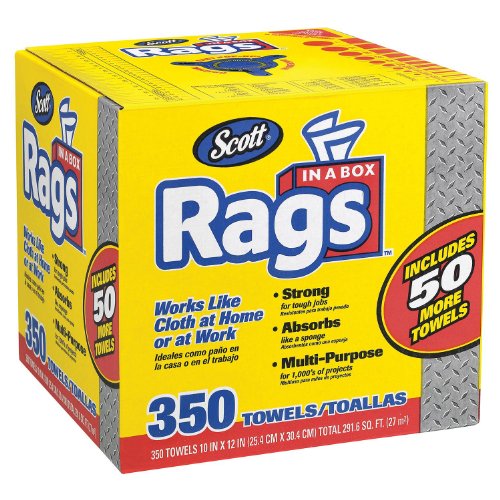 Scott Shop Rags In A Box (350ct.)
Lint-light rags for cleanup and prep. View on Amazon →
Scott Shop Rags In A Box (350ct.)
Lint-light rags for cleanup and prep. View on Amazon →
Still need help? Ask an RV Mechanic
Get a personalized answer from a verified RV mechanic. Describe your specific issue and get step-by-step help for your rig.
Related Repair Guides
- RV Liquid Spring Adjustment Guide: Setup & Tuning Tips
- How to Reduce RV Interior Noise: Complete Sound Dampening Guide for Motorhomes
- RV Storage on Gravel: Preventing Weed and Moisture Issues
- How to Remove Firefly RV Control Panel: Complete DIY Guide
- Best Cummins 6.7 Scan Tools for RV Diesel & DPF Regen
- How to Find Reliable RV Repair Shops: Expert Tips & Red Flags to Watch Out For
- Best Mobile RV Repair Apps and Services: Complete Guide
- Prevost vs Newell vs Foretravel vs King Aire: Which to Buy?
- RV Slide-Out Maintenance: Complete Guide to Prevent Wear and Extend Lifespan
- RV Infotainment System Update: Step-by-Step Safety
Need More Help?
Try our free RV calculators and tools to help diagnose and plan your repairs.
Browse RV ToolsWeight calculator, electrical planner, propane estimator & more
