How to Fix RV Black Tank Sensors Not Reading - Complete Replacement Guide
Read full question
Quick Answer
External tank sensors fail after years from adhesive degradation. Clean and reattach with fresh 3M VHB tape, or upgrade to SeeLevel II system for more reliable readings.
The Quick Answer
Yes, your 2006 Itasca's external tank sensor replacement is straightforward and you're on the right track. The sensors simply adhere to the outside of the black water tank with 3M adhesive at the same levels as your original sensors - no drilling required. Your symptoms (only the 1/3 sensor working when full, no sensors working when empty) indicate classic adhesive failure and sensor degradation after 18 years. The replacement process involves cleaning the old adhesive thoroughly, positioning the new sensors at exactly the same heights as the originals, and ensuring proper wire connections to your existing harness.
What's Causing This
After 18 years on your 2006 Itasca, the 3M adhesive has likely deteriorated from temperature cycles, road vibration, and general aging. External tank sensors work by detecting liquid levels through the tank wall using resistance-based sensing technology - when the adhesive fails, the sensor loses proper contact with the tank surface, causing erratic or no readings.
The fact that your 1/3 sensor still works when the tank is full suggests it's maintaining better contact than the upper sensors. When empty, no sensors register because there's no liquid present for any of them to detect. This is normal behavior for this type of sensor system.
External sensors are much more reliable than internal probe-style sensors that get fouled with waste buildup, which is why Itasca used this system. However, the adhesive is the weak point and typically needs replacement every 15-20 years.
Tools You'll Need
For this repair, gather a plastic scraper or putty knife to remove old adhesive, adhesive remover or heat gun for stubborn residue, and clean rags. You'll need isopropyl alcohol (91% or higher) for final surface cleaning, and a measuring tape to ensure proper sensor positioning.
Have wire strippers and electrical tape on hand in case you need to splice connections, plus a multimeter to test sensor function. A flashlight or headlamp is essential for working under the RV, and consider having a helper to hold sensors in position while you mark locations.
The replacement sensor kit should include new 3M VHB (Very High Bond) tape, but have backup automotive-grade double-sided tape available. You may also want thread locker for any mounting hardware connections.
Step-by-Step Fix
Start by locating and photographing your existing sensor positions before removal - measure from a fixed reference point like a tank fitting or frame member. Carefully remove the old sensors by heating them gently with a heat gun to soften the adhesive, then peel away slowly to avoid tank damage.
Clean all adhesive residue completely using adhesive remover and a plastic scraper. This step is critical - any remaining residue will prevent proper bonding of the new sensors. Follow with isopropyl alcohol cleaning and let the surface dry completely.
Install the new sensors at exactly the same heights as the originals, pressing firmly for 30 seconds each. The sensors should align with tank levels of approximately 1/3, 2/3, and full capacity. Connect the wiring to your existing harness, matching wire colors carefully.
Test the system by partially filling the tank and checking each sensor level. Cure time for the adhesive varies by product type - refer to manufacturer specifications for your specific adhesive, so avoid moving the RV during this period. After installation, run a full tank cycle to verify all sensors are reading correctly at their respective levels.
When to Call a Pro
Consider professional help if you discover the wiring harness is damaged or corroded, as this requires tracing circuits back to the monitor panel. If the tank itself shows signs of damage or the sensor mounting area is severely corroded, a professional assessment is warranted.
Call a pro if you're uncomfortable working under the RV or if access to the sensors requires significant disassembly of other components. Some Itasca models have challenging sensor locations that require removing skirt panels or other hardware.
If the new sensors don't work after proper installation and the manufacturer-specified cure period, the issue may be with the monitor panel or wiring, requiring diagnostic equipment and RV electrical expertise. Professional diagnosis typically costs $100-150 and can save you from replacing components unnecessarily.
Tools & Supplies You'll Need
 AstroAI Digital Multimeter and Analyzer TRMS 6000 Counts Volt Meter Ohmmeter
Reads volts, continuity, and resistance — the #1 tool for tracing 12V faults. View on Amazon →
AstroAI Digital Multimeter and Analyzer TRMS 6000 Counts Volt Meter Ohmmeter
Reads volts, continuity, and resistance — the #1 tool for tracing 12V faults. View on Amazon →
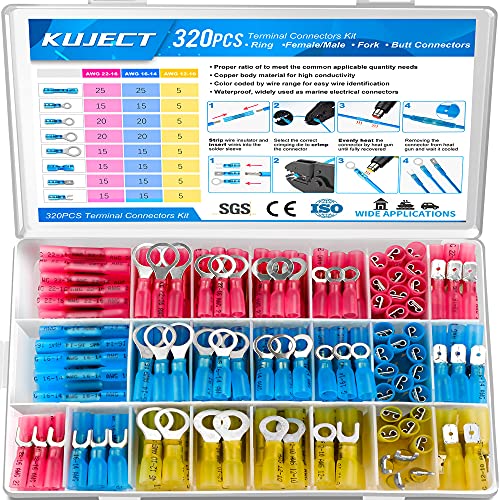 Kuject 320PCS Heat Shrink Wire Connectors Kit, Electrical Waterproof Crimp
Waterproof solder-seal connectors — the right fix for RV vibration and moisture. View on Amazon →
Kuject 320PCS Heat Shrink Wire Connectors Kit, Electrical Waterproof Crimp
Waterproof solder-seal connectors — the right fix for RV vibration and moisture. View on Amazon →
Still need help? Ask an RV Mechanic
Get a personalized answer from a verified RV mechanic. Describe your specific issue and get step-by-step help for your rig.
Related Repair Guides
- RV Water Pump Losing Prime: Troubleshooting & Winterization
- Monaco Diplomat Rear Air Suspension Won't Dump Fully - Troubleshooting Guide
- Fix RV Low Water Pressure on City Connection: Troubleshooting Pump Assembly
- Dometic 310 Toilet Leaking at Foot Pedal: Complete Fix Guide
- Camco Rhino Sewer Hose Adapter Pro: Complete Review & Installation Guide for RV Owners
- RV Grey Water Tank Clogged? 7 Proven Solutions to Clear Blockages Fast
- RV Tank Sensor Removal Guide: Gray & Black Water Tank Sensors (Step-by-Step Process)
- RV Winterization: Complete Step-by-Step Guide
- How to Fix RV Fresh Water Tank Leaks: Complete Diagnosis & Repair Guide
- RV Black Tank Not Holding Full Capacity: 7 Common Causes and DIY Repair Solutions
Need More Help?
Try our free RV calculators and tools to help diagnose and plan your repairs.
Browse RV ToolsWeight calculator, electrical planner, propane estimator & more
