Non-Swivel Propane Pigtail Hoses for RVs: Options and Swivel Repair Solutions
Read full question
I've been out here playing propane whisperer, lubing up the joint with WD-40 and sweet-talking it, but this thing just won't seal properly. Are there actually propane pigtails made without swivel joints, or am I chasing unicorns? And if I'm stuck with swivels, what's the secret sauce for fixing these leaky little troublemakers? My neighbors are probably getting tired of the smell of propane mixed with my colorful vocabulary!
Quick Answer
True non-swivel propane pigtails are uncommon. Fix leaking swivels by replacing O-rings with Viton or using gas-rated yellow PTFE tape. Quality brass pigtails from Flame King or Camco have better seals. Always leak test connections.
The Rundown
Yes, you can absolutely find 1/4" inverted flare pigtails without swivel joints - they're actually quite common in industrial gas applications. Since you're having sealing issues with your current setup despite cleaning and inspection, a rigid 90-degree pigtail might solve your problem. The key is that only the ACME or POL fitting needs to rotate, which these rigid pigtails accommodate perfectly. Marshall Excelsior, Camco, and Fairview Fittings all make non-swivel versions that should eliminate your sealing headaches.
Why It Happens
Swivel joints are convenient but they're also common failure points because they have additional O-rings and sealing surfaces that can deteriorate over time. Your sealing issue likely stems from worn O-rings in the swivel mechanism or debris preventing proper thread engagement. Repeated manipulation of worn swivel joints can push contaminants deeper into the threads and further damage sealing surfaces.
Rigid pigtails eliminate this problem entirely because there are fewer sealing points to fail. The 90-degree bend is formed into the tubing itself, so you only have to worry about sealing at the threaded connections on each end. This is why many commercial and industrial installations use rigid pigtails - they're simply more reliable long-term.
Gather These Items
- Rigid 1/4" inverted flare pigtail with 90-degree bend (Marshall Excelsior equivalent (verify specific part number with manufacturer) or Fairview equivalent)
- Pipe thread sealant for NPT connections only (inverted flare connections seal metal-to-metal and do not require sealant)
- Two adjustable wrenches or proper flare nut wrenches
- Wire brush for cleaning threads
- Propane leak detection solution or soapy water
- Clean rags
The Fix
Start by shutting off your propane at the tank and disconnecting your current problematic pigtail. Clean all the threads thoroughly with a wire brush to remove any old sealant, debris, or corrosion. This step is crucial - dirty threads are the number one cause of propane leaks.
For NPT threaded connections, apply a thin layer of propane-rated thread sealant to the male threads only. Do not apply sealant to inverted flare connections as they seal metal-to-metal. Thread the rigid pigtail into place, making sure the 90-degree bend positions your connection where you need it. Use two wrenches to avoid twisting the pigtail during installation.
Make your final connection to your appliance, using thread sealant only if connecting to NPT threads (not needed for inverted flare connections), and use two wrenches. Turn on the propane slowly and test every joint with leak detection solution. You should see no bubbles whatsoever. If you do see bubbles, don't just tighten harder - back off, clean the threads again, and reapply sealant.
Know Your Limits
While replacing a pigtail is straightforward, propane work requires absolute attention to detail. If you're not completely confident in your ability to achieve leak-free connections, have a certified RV technician handle the installation. A propane leak isn't worth the risk, and many jurisdictions have specific requirements for LP gas work - check your local codes.
Also remember that rigid pigtails are less forgiving than swivel types when it comes to alignment and stress. Make sure your routing doesn't create tension or stress points that could crack the tubing over time. If your installation requires significant flexibility or movement, you might need to stick with swivel joints but focus on getting quality replacement O-rings and proper installation technique instead.
Tools & Supplies You'll Need
 WORKPRO 5-piece Adjustable Wrench Set, 4-Inch & 6-Inch & 8-Inch & 10-Inch &
Two sizes cover plumbing fittings and odd-size nuts. View on Amazon →
WORKPRO 5-piece Adjustable Wrench Set, 4-Inch & 6-Inch & 8-Inch & 10-Inch &
Two sizes cover plumbing fittings and odd-size nuts. View on Amazon →
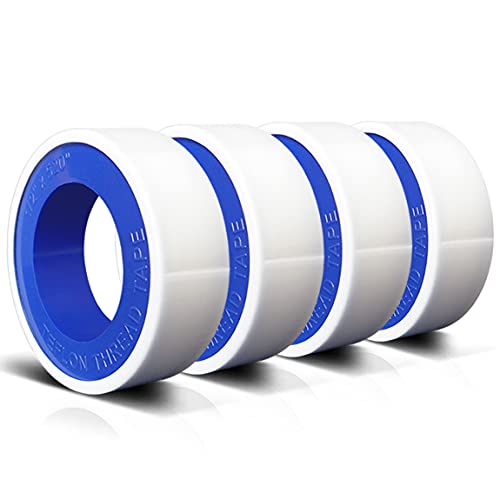 VOTMELL 4 Rolls 1/2 Inch(W) X 520 Inches(L) Teflon Plumbers Tape,Pipe Sealing
Seals threaded water and propane fittings. View on Amazon →
VOTMELL 4 Rolls 1/2 Inch(W) X 520 Inches(L) Teflon Plumbers Tape,Pipe Sealing
Seals threaded water and propane fittings. View on Amazon →
 ComStar Leak Bubbles Yellow, 1 Quart Spray, Professional Gas Leak Detector
Finds propane and gas leaks at fittings. View on Amazon →
ComStar Leak Bubbles Yellow, 1 Quart Spray, Professional Gas Leak Detector
Finds propane and gas leaks at fittings. View on Amazon →
Still need help? Ask an RV Mechanic
Get a personalized answer from a verified RV mechanic. Describe your specific issue and get step-by-step help for your rig.
Related Repair Guides
- Atwood GC10A-4E Replacement: Best Tankless RV Heaters
- RV Propane Regulator Freezing Up? Common Causes & Easy Fixes
- How to Wire Girard Tankless Water Heater: Complete DSI Suburban Replacement Guide
- RV Gas Detector Beeps Every Minute at Night - How to Fix
- RV LP Gas Detector False Alarms: Complete Troubleshooting Guide
- Atwood AFMD35 Furnace Playing Peek-a-Boo - How to Clean Flame Sensor & Fix Short Cycling
- RV Water Heater Pilot Light Won't Stay Lit: Thermocouple Troubleshooting Guide
- Dometic RV Furnace Runs 10 Seconds Then Shuts Off - Complete Troubleshooting Guide
- Extend-A-Stay RV Propane System: Install & Safety
- RV Auto Hold Parking Brake: Complete Guide to Operation and Troubleshooting Basics
Need More Help?
Try our free RV calculators and tools to help diagnose and plan your repairs.
Browse RV ToolsWeight calculator, electrical planner, propane estimator & more
