RV Oil Filter Adapter Plate: Complete Guide to Function & Installation Explained
Read full question
From what I can gather, it might have something to do with using the same oil filter on different engine types? I'm trying to understand if this is some kind of universal mounting thing that RV manufacturers use, but I don't want to guess and mess something up during maintenance. Could someone explain what this component actually is and why RVs seem to use them across different engine configurations?
Quick Answer
An oil filter adapter plate is a mounting component that standardizes oil filter connections across different RV engine types (V6, V8, V10). It allows manufacturers to use the same oil filter assembly on multiple engine configurations, simplifying parts inventory and maintenance.
The Quick Answer
You're absolutely right - that part is indeed an oil filter adapter plate, and yes, it's specifically designed to standardize the oil filter mounting across different engine sizes. Ford uses this adapter plate system on their RV chassis to allow the same oil filter assembly and mounting configuration to work on their V8 and V10 engines. It's essentially a spacer/adapter that compensates for different block dimensions and oil passage locations, making maintenance simpler and parts inventory more standardized for RV manufacturers and owners.
What's Causing This
The oil filter adapter plate exists because different Ford engines have varying oil filter mounting locations and thread patterns on their engine blocks. Without this adapter, each engine would require a completely different filter mount and potentially different filters. The 6.8L V10 Triton and 7.3L V8 engines have different block castings and oil gallery positions.
Ford engineered this adapter system to create a universal mounting point that positions the oil filter in an optimal location for servicing, regardless of which engine is installed. The adapter plate also houses the oil pressure sensor connection and sometimes includes additional oil passages or bypasses specific to RV applications where engines run under different loads than typical automotive use.
This standardization means RV manufacturers can use the same filter mounting brackets, lines, and service procedures across their entire chassis lineup. It also explains why you might see the same part number referenced for multiple engine applications in RV service manuals.
The adapter plate typically bolts directly to the engine block with specific torque requirements and uses O-rings or gaskets to seal the oil passages. It's a critical component that maintains proper oil pressure and flow to the filter while providing the standardized mounting interface.
Tools You'll Need
WARNING: Always ensure the engine is completely cool before beginning work and use proper jack stands if accessing components from underneath. Wear safety glasses and gloves when working with oil systems.
If you need to service or inspect the oil filter adapter plate, you'll need a standard socket set with extensions - socket sizes vary by engine, so consult manufacturer specifications for your specific application. A torque wrench is essential for proper reinstallation, usually requiring torque to manufacturer specifications for your specific engine.
You'll also need new O-rings or gaskets - use the correct part for your model (verify with dealer) as these are usually included in oil change kits or available separately from Ford parts departments. A gasket scraper or plastic scraping tool helps clean old gasket material without damaging the sealing surfaces.
For inspection, a good flashlight and small mirror can help you see the adapter plate's condition and check for leaks around the mounting area. If you're doing a complete service, have fresh engine oil ready since you'll lose some oil during the process.
Safety equipment includes jack stands if you need to access the adapter from underneath, and always have safety glasses and gloves when working with oil systems. A drain pan is essential to catch any oil that spills during inspection or service.
Step-by-Step Fix
To properly inspect your oil filter adapter plate, start by locating it near the oil filter - it's the flat metal plate between the filter and the engine block. With the engine cool, check for oil leaks around the adapter's perimeter and note any wetness or oil accumulation.
If you need to remove the adapter for service, first drain the oil system and remove the oil filter. Allow the system to depressurize completely before proceeding. Clean the area around the adapter thoroughly to prevent debris from falling into the oil passages. Remove the mounting bolts gradually in stages to prevent warpage, keeping track of bolt length and location as some may be different sizes.
Carefully lift the adapter plate away from the engine block, noting the position of any O-rings or gaskets. Clean both the adapter plate and engine block mating surfaces completely, removing all old gasket material. Inspect the adapter for cracks, warpage, or damaged threads.
During reassembly, install new O-rings or gaskets in their proper positions and apply a thin coat of clean engine oil to the sealing surfaces. Reinstall the adapter plate and torque the bolts to manufacturer specifications in a crisscross pattern. Install a new oil filter, refill with fresh oil, start the engine and verify oil pressure before running briefly to check for leaks.
After running the engine, shut it off and allow it to cool for several minutes. Recheck all connections and torque specifications. Inspect the area around the adapter plate for any signs of leakage. If everything appears secure and leak-free, perform a final check of the oil level and top off if necessary. The adapter plate service is now complete, and you should monitor the area during the next few oil changes to ensure the repair remains secure.
When to Call a Pro
Call a professional if you discover cracks in the adapter plate itself or if the engine block's mating surface shows damage like deep scratches or warpage. These issues require specialized repair techniques or machining that's beyond typical DIY capabilities.
If you find persistent oil leaks after replacing gaskets and properly torquing the adapter, there may be internal engine block issues affecting the oil passages. A professional can pressure test the system and diagnose problems that aren't visible from the outside.
Complex RV chassis with additional oil cooler lines or remote filter systems connected through the adapter plate may require professional service. These systems often have specific bleeding procedures and pressure requirements that need specialized equipment to service properly.
Finally, if you're uncomfortable working with engine oil systems or lack the proper tools for safe lifting and support of your RV during the repair, professional service ensures the job is done safely and correctly. The cost of professional service is typically reasonable for this type of maintenance and provides peace of mind for such a critical engine component.
Tools & Supplies You'll Need
 CRAFTSMAN 230 Pcs Mechanics Tool Set, Socket Wrench Set, Car Tool Kit with
A broad SAE/metric socket-and-ratchet set covers most RV fasteners. View on Amazon →
CRAFTSMAN 230 Pcs Mechanics Tool Set, Socket Wrench Set, Car Tool Kit with
A broad SAE/metric socket-and-ratchet set covers most RV fasteners. View on Amazon →
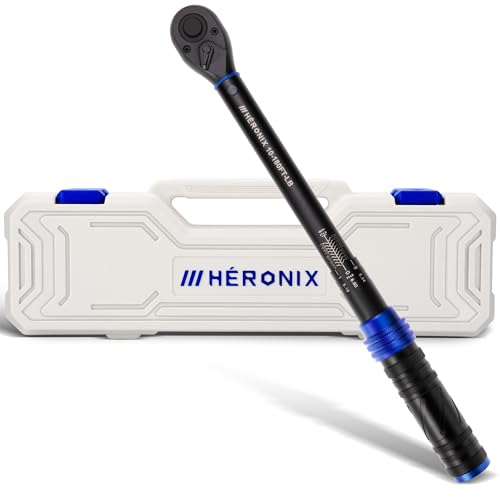 HERONIX 1/2 Inch Drive Click Torque Wrench, 10–180 Ft.Lb/13.6–244.0 Nm
Click-type wrench for lug nuts and anything with a torque spec. View on Amazon →
HERONIX 1/2 Inch Drive Click Torque Wrench, 10–180 Ft.Lb/13.6–244.0 Nm
Click-type wrench for lug nuts and anything with a torque spec. View on Amazon →
 Performance Tool W4070 Drain Pan, 7 Quart Capacity
Catches oil, coolant, and tank drips. View on Amazon →
Performance Tool W4070 Drain Pan, 7 Quart Capacity
Catches oil, coolant, and tank drips. View on Amazon →
Still need help? Ask an RV Mechanic
Get a personalized answer from a verified RV mechanic. Describe your specific issue and get step-by-step help for your rig.
Related Repair Guides
- Ford E450 V10 Reliability: Expected Mileage and Longevity Guide for RV Owners
- Newmar Motorhome Rough Ride Fix: Suspension & Air Pressure
- Ford V10 Triton Engine Maintenance Guide: EGR Delete vs Regular Service Tips
- Ford V10 Turbo Kit for Motorhomes: Cost, Risks & Better Alternatives
- Ford E450 Inertia Switch Location Guide - Find Your RV's Fuel Cutoff Reset Point
- Onan 5500 Generator Problems: Complete Repair Guide
- Fleetwood Excursion Tire Upgrade Guide: 255 to 275 Width Conversion
- Ford E-350 vs E-450 RV Chassis: Fuel, Power & Weight
- Ford F53 7.5L RV Won't Start: Fuel Pump Relay Voltage Drop Fix
- Generac 7.5kW Diesel Generator Repair Guide - RV Troubleshooting
Need More Help?
Try our free RV calculators and tools to help diagnose and plan your repairs.
Browse RV ToolsWeight calculator, electrical planner, propane estimator & more
