Best Floor Jacks and Jack Stands for Ford E-350 Class C Motorhome: Safety Guide
Read full question
Quick Answer
Use 3-4 ton floor jack and 6-ton jack stands for E-350 Class C. Lift at frame rails, never on engine components. Always use jack stands - never work on jack alone. Block opposite wheels on level ground.
Short Answer
For your 2001 Ford E-350 based Coachman, you'll want a 3-ton (6,000 lb) floor jack minimum, though a 3.5-ton is safer given the weight distribution. A bottle jack won't work well due to ground clearance issues and the need for precise positioning under the axle or frame. For jack stands, use 6-ton capacity stands positioned on the frame rails, not the axle housing. The E-350 chassis weighs around 5,800-6,200 lbs empty, and your 28' Coachman likely adds another 4,000-6,000 lbs, so proper capacity is critical for safety.
Understanding the Problem
Your 2001 E-350 Coachman presents unique challenges compared to regular vehicles. The chassis sits higher than a standard van, but the RV body adds significant weight that affects lifting points and safety considerations. The rear axle on these units is typically a Dana 60 heavy-duty axle (verify specific type per your vehicle specifications), and the front has twin I-beam suspension that requires specific jacking points.
Bottle jacks are problematic for several reasons: they require perfectly level ground, have limited lift height, and can be unstable under the shifting weight of an RV. Floor jacks provide better stability and control, especially when working on uneven campground surfaces. The key challenge with your setup is accessing proper lifting points while ensuring the jack remains stable throughout the lifting process.
Weight distribution is another critical factor. Your 28' Coachman likely has a GVWR around 12,500-14,500 lbs, with much of that weight concentrated over the rear axle when loaded with water, supplies, and gear. This means you're not just lifting the chassis weight, but potentially supporting a significant portion of the total loaded weight.
What You'll Need
Primary Jack: 3.5-ton low profile floor jack or similar - approximately $180-220 (rough ballpark — actual cost varies by region, brand, and model year and changes over time, so get current quotes). This gives you the capacity and low profile needed to get under the E-350 chassis. The low profile is essential because even though the RV sits high, the differential and frame rails may still be relatively low to the ground.
Jack Stands: 6-ton jack stands (set of 4) - around $80-120 for a set. These provide adequate safety margin and height adjustment. Never use stands rated less than the jack capacity, and always use pairs on the same axle.
Additional Equipment: Wheel chocks for the wheels remaining on the ground, a set of 2x8 or 2x10 boards for jack base stability on soft ground, and a torque wrench for proper lug nut tightening (torque to manufacturer specifications for E-350 wheels). Consider a breaker bar or impact wrench as the lug nuts on these heavy vehicles are often very tight.
Safety Items: Work gloves, safety glasses, and a trouble light or headlamp. Keep a small hydraulic bottle jack as backup - not for primary lifting, but as emergency support if something goes wrong with the floor jack.
How to Fix It
Preparation Steps: Always park on level, solid ground when possible. Engage the parking brake and place wheel chocks behind the wheels that will remain on the ground. If you're lifting the rear, chock the front wheels and vice versa. If working on soft ground, place boards under your jack to prevent sinking and ensure stability.
WARNING: Never work under the RV supported only by the jack. Death or serious injury can occur if the vehicle falls.
Rear Axle Lifting: Position your floor jack under the rear axle at the reinforced sections of the axle tubes near the differential housing (consult your vehicle manual for specific reinforced jacking points), not on the differential housing itself. The axle tubes near the differential provide solid lifting points without risking damage to the differential housing. Raise slowly and watch for any shifting. Once at desired height, place jack stands under the frame rails, just forward of the rear axle mounting points. These frame rail points are reinforced and designed to support the vehicle's weight.
Front Axle Lifting: For the front, you have two options depending on whether you need one wheel or both. For single wheel work, use the frame rail near the wheel or designated chassis lifting points. For both front wheels, position the jack under the front crossmember only if it's rated for full front-end lifting (verify in your chassis manual), but be extremely careful as this concentrates a lot of weight on one point.
Critical Safety Protocol: Never work under the RV supported only by the jack. Always use jack stands rated higher than your jack's capacity. Test the stability by gently rocking the vehicle before getting underneath. Remove the jack once stands are properly positioned and tested for stability. When lowering, reverse the process slowly and ensure all wheels contact the ground evenly before removing stands. Failure to follow proper safety procedures can result in death or serious injury.
Leave It to the Experts
While basic maintenance like oil changes and brake inspections are manageable DIY tasks on your E-350 Coachman, certain jobs warrant professional attention. Transmission service, differential work, or any suspension repairs should go to a shop with proper heavy-duty lifts and E-350 experience. Many RV service centers have drive-over pits or large capacity lifts specifically designed for motorhomes.
If you're uncomfortable with the lifting process or don't have level ground to work on, mobile RV mechanics are increasingly common and can handle routine maintenance at your location. This is especially valuable for tasks like brake work where proper torque specifications and safety are critical.
Consider that some warranty work or complex diagnostics may require dealer-level equipment. Ford chassis components are best serviced at Ford commercial truck dealers who understand the E-350 platform, while RV-specific systems might need a specialized RV service center.
Tools & Supplies You'll Need
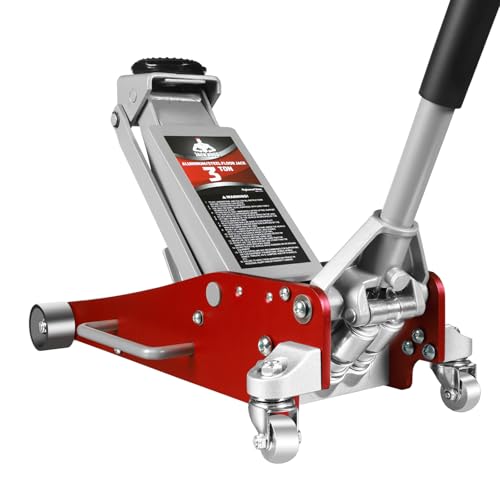 Jack Boss 3 Ton Low Profile, Aluminum and Steel Racing Floor Jack with Dual
Lifts the chassis for tire and suspension work. View on Amazon →
Jack Boss 3 Ton Low Profile, Aluminum and Steel Racing Floor Jack with Dual
Lifts the chassis for tire and suspension work. View on Amazon →
 BIG RED T43202 Torin Heavy Duty Steel Jack Stands: 3 Ton (6,000 lb) Capacity
Hold the rig up safely once it is lifted. View on Amazon →
BIG RED T43202 Torin Heavy Duty Steel Jack Stands: 3 Ton (6,000 lb) Capacity
Hold the rig up safely once it is lifted. View on Amazon →
 MaxxHaul Solid Rubber Wheel Chock 2-Pack | 8" x 4" x 6" Heavy-Duty Tire Stop
Block the wheels before you ever lift or unhitch. View on Amazon →
MaxxHaul Solid Rubber Wheel Chock 2-Pack | 8" x 4" x 6" Heavy-Duty Tire Stop
Block the wheels before you ever lift or unhitch. View on Amazon →
Still need help? Ask an RV Mechanic
Get a personalized answer from a verified RV mechanic. Describe your specific issue and get step-by-step help for your rig.
Related Repair Guides
- Ford E450 V10 Reliability: Expected Mileage and Longevity Guide for RV Owners
- Newmar Motorhome Rough Ride Fix: Suspension & Air Pressure
- Ford V10 Triton Engine Maintenance Guide: EGR Delete vs Regular Service Tips
- Ford V10 Turbo Kit for Motorhomes: Cost, Risks & Better Alternatives
- Ford E450 Inertia Switch Location Guide - Find Your RV's Fuel Cutoff Reset Point
- Onan 5500 Generator Problems: Complete Repair Guide
- Fleetwood Excursion Tire Upgrade Guide: 255 to 275 Width Conversion
- Ford E-350 vs E-450 RV Chassis: Fuel, Power & Weight
- Ford F53 7.5L RV Won't Start: Fuel Pump Relay Voltage Drop Fix
- Generac 7.5kW Diesel Generator Repair Guide - RV Troubleshooting
Need More Help?
Try our free RV calculators and tools to help diagnose and plan your repairs.
Browse RV ToolsWeight calculator, electrical planner, propane estimator & more
