Ford 6.8 V10 Spark Plugs: Why Change at 30K Miles
Read full question
Quick Answer
Change plugs now at 30K - lower stuck plug risk than waiting. Use penetrating oil on warm engine, remove slowly. Install new plugs dry and torque to Ford spec — do not use anti-seize on the threads (it over-torques and can strip the head). Have extractor kit as backup. Proper technique prevents most stuck plug problems.
What's Going On
At 30k miles on your 2003 6.8L V10, you're right at the critical threshold where those original spark plugs need attention before they become a much bigger headache. Based on your experience with the 4.6L V8 where two plugs broke during removal, while your V10 is generally more reliable than some Ford engines for spark plug service, it's still wise to address maintenance proactively. The fact that you bought the RV used at 25k miles and it likely still has factory plugs means you're in that danger zone where waiting much longer significantly increases the risk of plug breakage and expensive repairs.
The 6.8L V10 uses conventional one-piece spark plugs unlike the problematic two-piece design in some Ford engines, and is less prone to the severe seizure issues seen in other modular engines. Your instinct to address this now rather than wait is absolutely correct, especially since you've already seen firsthand what can happen when these plugs break off during removal.
Why This Happens
Common causes of this problem include Ford's engineering decisions during the early 2000s. The spark plugs in your 6.8L V10 can seize due to dissimilar metal expansion rates between the steel plugs and aluminum heads. The aluminum cylinder heads expand and contract at different rates than the steel spark plugs, gradually welding them together over time and miles.
Carbon buildup and corrosion accelerate this process, particularly in RV applications where the engine often sees longer periods of storage and less frequent operation compared to daily-driver vehicles. The V10's 9.2:1 compression ratio also creates more combustion pressure, which can drive combustion byproducts into the spark plug threads. Your dealer's experience with your 4.6L V8 - having two plugs break during removal at 25k miles - is unfortunately typical for Ford engines of this vintage.
The longer you wait beyond 30k miles, the exponentially higher your chances become of experiencing broken plugs, stripped threads, or even damaged cylinder heads. Some shops report higher plug breakage rates on these engines when spark plug service is delayed beyond 40k miles.
Getting Ready
Since you mentioned the dealer doesn't work on RVs and referred you to a truck facility, start by finding a shop that has specific experience with Ford's problematic spark plugs from this era. Ask potential shops directly if they have the correct spark plug removal tools for your model (verify with dealer) and experience with broken plug extraction on Ford modular engines. Don't let any shop touch your V10 unless they can confidently answer yes to both questions.
WARNING: Improper spark plug removal can result in serious cylinder head damage requiring expensive repairs. Use extreme caution and proper tools during removal.
If you're considering the DIY route despite the complexity, you'll need some specialized preparation. The spark plugs are accessible from the top of the engine without major disassembly, making this a more straightforward job than some other Ford engines. Essential tools include a quality torque wrench and ideally access to compressed air for cleaning out the plug wells. However, given your experience with the 4.6L where professional extraction was needed, having a backup plan with a qualified shop is crucial.
Temperature matters significantly for this job - the engine should be completely cold when removing the plugs to prevent thread damage from thermal expansion. Allow the engine to cool completely (several hours after operation) before attempting removal. Stock up on penetrating oil like PB Blaster or Liquid Wrench, and plan to soak the plug threads for several hours before attempting removal.
Walking Through the Fix
The professional approach starts with thorough preparation of each spark plug well. Remove the ignition coils and use compressed air to blow out all debris from around each plug. Spray each plug with penetrating oil and let it soak while working on others. The removal process should be done slowly and carefully - if you feel significant resistance when turning counterclockwise, stop immediately and apply more penetrating oil.
For installation of new plugs, the key is proper preparation and torque specification. Clean the plug wells thoroughly and install the new plugs DRY, torquing to Ford's spec from your manual. Ford's TSB and the plug makers (Autolite, AC Delco) advise AGAINST anti-seize on the threads — it reduces friction so the plug over-torques and can strip the aluminum head, the very failure you're trying to avoid. Torque to manufacturer specifications (see owner's manual for exact values), with many professionals preferring the lower end of the specified range to reduce stress on the aluminum threads. Thread the new plugs in by hand first to ensure proper thread engagement before using any tools.
The upper intake manifold removal on your V10 adds significant complexity compared to your 4.6L V8 experience. This involves disconnecting the throttle body, various vacuum lines, and the fuel rail system. Each connection point needs careful documentation for reassembly, and new intake manifold gaskets are typically recommended. Plan for 6-8 hours if you're doing this yourself, or 4-5 hours for an experienced technician.
If you encounter a broken plug during removal, stop immediately and don't attempt to extract it yourself. The specialized extraction tools and techniques required are beyond typical DIY capabilities, and improper extraction attempts can turn a moderate repair into an expensive cylinder head replacement.
Beyond DIY Territory
Given your experience with the 4.6L V8 where professional extraction was necessary, I'd strongly recommend having this work done professionally on your RV's V10. The truck facility your dealer mentioned is actually your best bet - these shops typically have more experience with larger displacement Ford engines and the associated problems. When calling shops, specifically mention you have a 2003 6.8L V10 with original plugs at 30k miles and ask about their experience with plug extraction on these engines.
Expect to pay between $800-1200 (rough ballpark — actual cost varies by region, brand, and model year and changes over time, so get current quotes) for professional spark plug replacement on your V10, assuming no broken plugs. If extraction is required, add another $150-300 per broken plug. While this seems expensive, it's far cheaper than the $3000-5000 cost of cylinder head repair if extraction goes wrong. Many shops will provide a quote that includes potential extraction costs upfront, which gives you protection against surprise charges.
The timing is critical here - don't wait much longer beyond your current 30k miles. Every additional 5k miles significantly increases your risk of plug breakage and the associated costs. Schedule this work soon, preferably before your next major RV trip, and consider it essential maintenance rather than optional service. Your experience with the 4.6L V8 proves these plugs don't come out easily once they've been in service for extended periods.
Tools & Supplies You'll Need
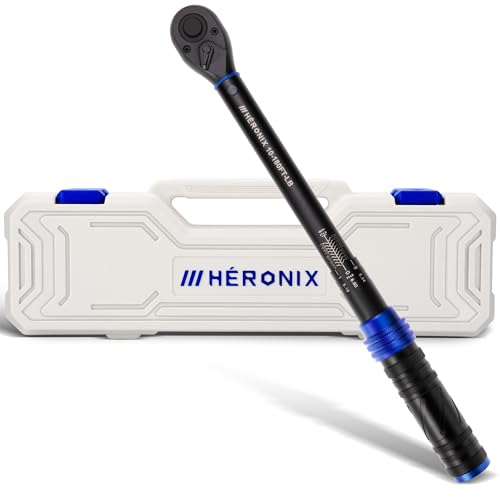 HERONIX 1/2 Inch Drive Click Torque Wrench, 10–180 Ft.Lb/13.6–244.0 Nm
Click-type wrench for lug nuts and anything with a torque spec. View on Amazon →
HERONIX 1/2 Inch Drive Click Torque Wrench, 10–180 Ft.Lb/13.6–244.0 Nm
Click-type wrench for lug nuts and anything with a torque spec. View on Amazon →
 Supco MO44 Rust Buster Liquid Penetrating Oil
Frees seized bolts and rusted hardware. View on Amazon →
Supco MO44 Rust Buster Liquid Penetrating Oil
Frees seized bolts and rusted hardware. View on Amazon →
Still need help? Ask an RV Mechanic
Get a personalized answer from a verified RV mechanic. Describe your specific issue and get step-by-step help for your rig.
Related Repair Guides
- Ford E450 V10 Reliability: Expected Mileage and Longevity Guide for RV Owners
- Newmar Motorhome Rough Ride Fix: Suspension & Air Pressure
- Ford V10 Triton Engine Maintenance Guide: EGR Delete vs Regular Service Tips
- Ford V10 Turbo Kit for Motorhomes: Cost, Risks & Better Alternatives
- Ford E450 Inertia Switch Location Guide - Find Your RV's Fuel Cutoff Reset Point
- Onan 5500 Generator Problems: Complete Repair Guide
- Fleetwood Excursion Tire Upgrade Guide: 255 to 275 Width Conversion
- Ford E-350 vs E-450 RV Chassis: Fuel, Power & Weight
- Ford F53 7.5L RV Won't Start: Fuel Pump Relay Voltage Drop Fix
- Generac 7.5kW Diesel Generator Repair Guide - RV Troubleshooting
Need More Help?
Try our free RV calculators and tools to help diagnose and plan your repairs.
Browse RV ToolsWeight calculator, electrical planner, propane estimator & more
